Faith, Fury, and Fire: Iran War Fueled by Divine Mandate?
US troops reportedly briefed on the Iran conflict using 'Armageddon' and 'divine plan' narratives, raising serious questions about the justifications for war. Shifting official rationales and intelligence discrepancies fuel public distrust.

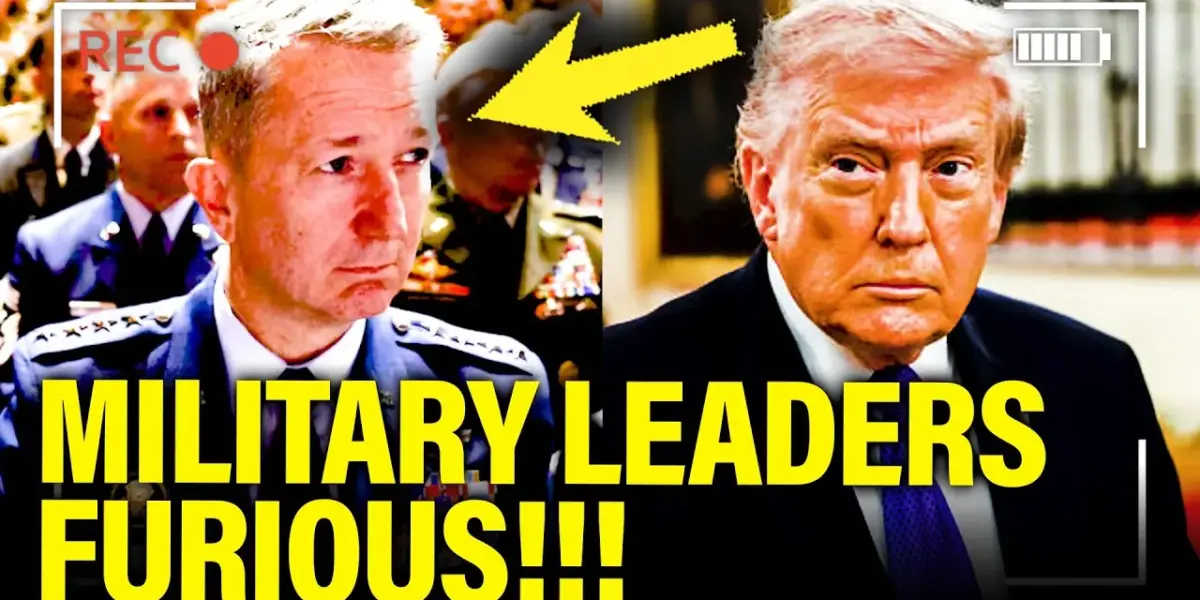
US Troops Report ‘Armageddon’ Justification for Iran Conflict
In a startling development that raises profound questions about the underpinnings of American foreign policy, reports have emerged detailing how US military personnel have been subjected to briefings that frame the escalating conflict with Iran as part of a divine, apocalyptic plan. These accounts, logged by an advocacy group, suggest that commanders at over 30 military installations across all branches have presented the war as intrinsically linked to theological interpretations, specifically the concept of Armageddon and the impending return of Jesus. This narrative, if accurate, represents a deeply unsettling departure from conventional geopolitical justifications for military engagement and has ignited a firestorm of debate regarding the motivations and messaging behind the conflict.
A War Without a Clear Mandate
The United States has entered a significant military confrontation with Iran, a move that has bypassed a formal declaration of war by Congress and has been met with a lack of a clear, constitutionally grounded justification presented to the American public. While official statements have alluded to imminent threats from Iranian nuclear weapons programs, the timeline and certainty of these threats have been subject to considerable debate and shifting explanations. The initial strikes, launched on February 28th, resulted in the killing of Iranian leadership, a dramatic escalation that has led to hundreds of casualties and drawn multiple countries into direct confrontation. The ongoing volatility is underscored by incidents such as the recent drone attacks on facilities in Saudi Arabia, highlighting both the persistent threats and the apparent vulnerabilities in defensive systems.
The narrative the American public is being awed about the war in Iran isn’t just shifting in some military units. It’s downright surreal. According to reporting by independent journalists and a former colleague of mine, Jonathan Lson, US troops have logged complaints that commanders told them the conflict with Iran is quote all part of God’s divine plan. Armageddon and that President Trump was quote anointed by Jesus to signal the end times.
Theological Underpinnings and Political Rhetoric
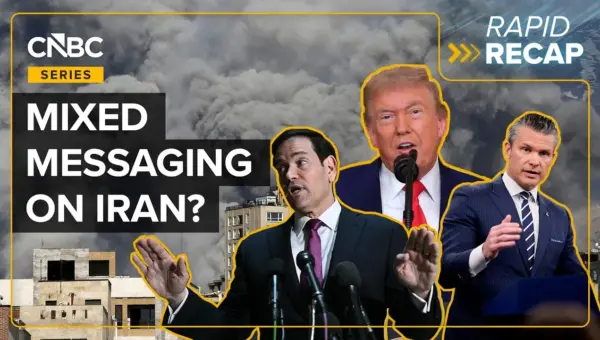
The reported messages to troops suggest a framework where geopolitical decisions are being interpreted through a theological lens. Critics point to statements from figures like Senator Marco Rubio, who has described the Iranian regime as being led by “radical clerics” whose decisions are based on an “apocalyptic” view of theology. This perspective, while presented as a serious consideration of the regime’s motivations, is now being echoed in reports of troop briefings that directly invoke religious prophecies, including those from the Book of Revelation. The juxtaposition of these religiously charged narratives with the secular and constitutional basis expected for military action has left many bewildered and concerned.
Adding to the controversy is the alleged personal involvement of President Trump in this narrative. Reports suggest that some commanders have presented the President as being “anointed by Jesus to signal the end times.” This characterization is particularly striking given public perceptions of President Trump’s personal history and his previous engagement with religious texts. The disconnect between this alleged portrayal and his public persona has fueled skepticism and criticism.
Conflicting Justifications and Intelligence Gaps
The official messaging from the White House and the Pentagon regarding the war has been inconsistent, shifting from claims of imminent threats from Iranian missiles and nuclear ambitions to other rationales. This inconsistency has been further complicated by intelligence assessments. Closed Pentagon briefings to Congress have reportedly acknowledged a lack of evidence for an imminent Iranian attack on US forces, a premise that had been cited to justify preemptive action. Democrats have raised concerns that equating a threat to Israel with a direct threat to the United States, a potential justification, places the nation in “uncharted territory.” The shifting goals and lack of a clear, publicly supported rationale have led to widespread public skepticism, with polls indicating significant disapproval of the conflict.
The Wider Impact and Public Discontent
Beyond the immediate military and political ramifications, the conflict has had tangible global consequences. Energy prices have surged, and diplomatic advisories have been issued for Americans to leave several countries. The disruption to global energy markets and the increased cost of insuring oil tankers highlight the economic instability that such conflicts engender. Even prominent conservative voices, including those often aligned with the administration, have expressed concern and criticism regarding the justification for the war and the risks posed to American service members. The lack of a solid, official rationale has left the American people questioning the true motives behind the nation’s involvement in yet another Middle Eastern conflict, particularly at a time of domestic economic challenges.
Why This Matters
The reported use of apocalyptic theology and divine anointment narratives in military briefings is a deeply concerning trend. It suggests a potential blurring of lines between religious belief and state-sanctioned military action, raising questions about the separation of church and state in the context of national security. Furthermore, the lack of clear, consistent, and constitutionally grounded justifications for the war erodes public trust in government and military leadership. When the reasons for engaging in costly and dangerous conflicts are perceived as shifting, opaque, or based on questionable intelligence, it undermines democratic accountability. The economic fallout and the human cost of war are significant burdens on the American populace, making it imperative that such decisions are made with transparency, robust public debate, and clear, verifiable justifications.
Historical Context and Future Outlook
Throughout history, the justifications for war have often been complex and, at times, controversial. From the justifications for entering World War I to the debates surrounding the Iraq War, the public has often grappled with the stated reasons for military engagement versus the perceived realities. The current situation, however, introduces a unique dimension with the alleged invocation of eschatological beliefs. This could signal a growing trend of religiously or ideologically driven foreign policy, which carries inherent risks of entrenching conflicts and alienating potential allies. The future outlook suggests continued scrutiny of the administration’s motives, potential for further escalation, and a growing public demand for clarity and accountability regarding the nation’s role in global conflicts. The intersection of faith, politics, and military action in the context of the Iran conflict warrants close observation as it may shape future approaches to international relations and the very definition of national interest.
Source: Trump PANICS as MILITARY LEADERS SPEAK OUT on WAR!!! (YouTube)

Related Articles
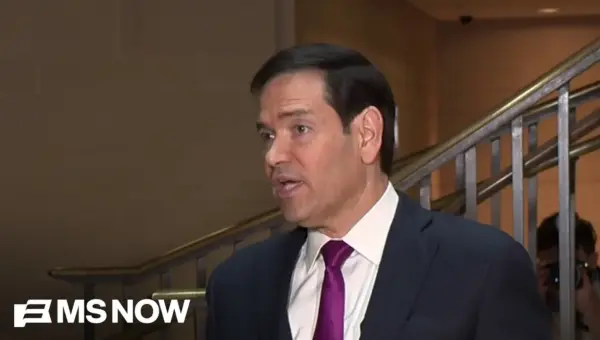
US Dragged Into Iran War: Critics Slam Trump, Rubio Over Justifications
Critics are questioning the U.S. entry into military conflict with Iran, citing a lack of clear objectives and intelligence discrepancies. Revelations suggest Israel may have influenced the decision, leading to bipartisan backlash and concerns about American citizens stranded in the Middle East.

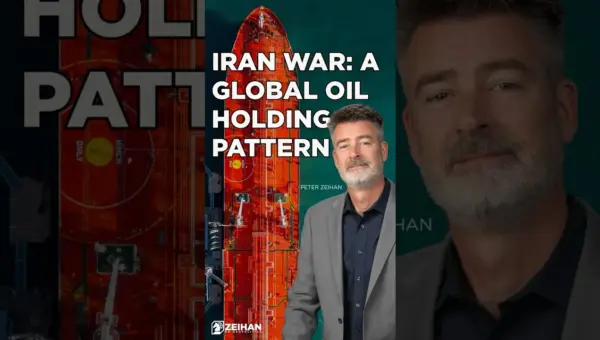
Iran Crisis Spikes Oil Prices, Threatens Global Energy Supply
Millions of barrels of crude oil are being held back daily from global markets, pushing prices up and threatening an energy crisis. The prolonged disruption highlights the world's continued dependence on fossil fuels and the geopolitical risks involved.
Iran Tensions Flare: US Vows “Annihilation” Amid Nuclear Fears
The Trump administration has adopted an aggressive tone towards Iran, vowing military action and highlighting concerns over the nation's nuclear ambitions. Officials cited "imminent threats" and Iran's development of missiles and drones as justifications for a preemptive stance.