Faith Fuels Courage: Rescue Shows Religion’s Power
A U.S. airman's first words after a daring rescue were "God is good," highlighting faith's role in combat. Religious media is reaching wider audiences seeking positivity and connection, while efforts to protect religious liberty show significant impact.

Faith Fuels Courage: Rescue Shows Religion’s Power
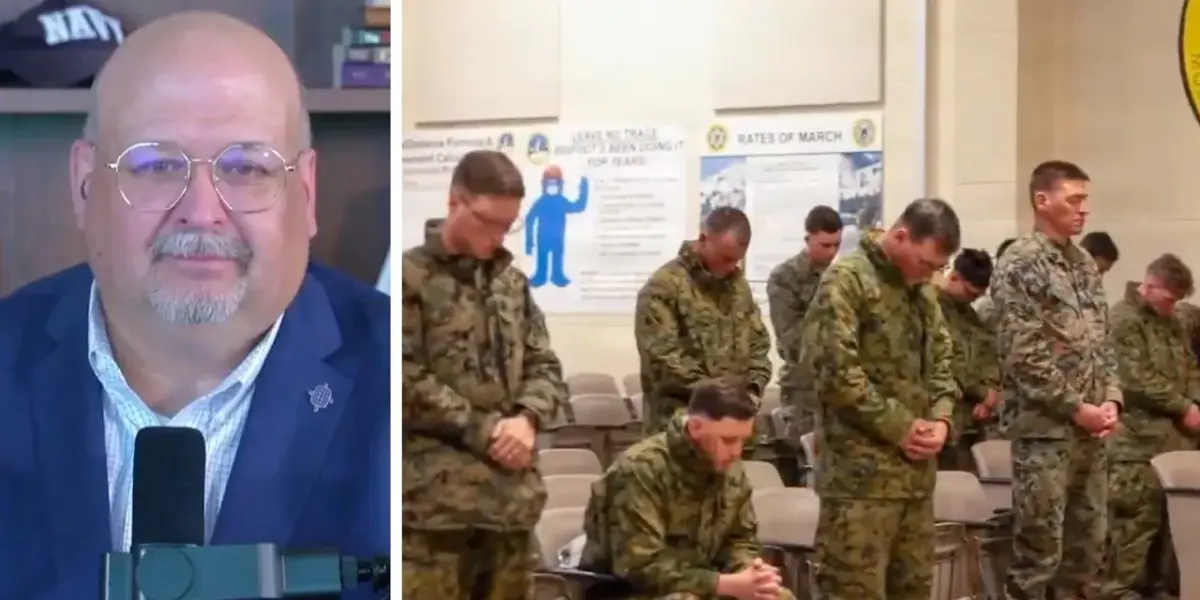
A U.S. airman rescued from enemy territory in Iran sent a powerful message after his ordeal: “God is good.” This simple statement highlights a deeper truth about faith, especially in times of extreme danger and uncertainty. War Secretary Pete Hegseth shared the story, emphasizing how the airman’s faith and fighting spirit shone through even in isolation.
Troy Miller, president of the National Religious Broadcasters (NRB), sees this as more than just a personal moment. He views it as a testament to the strength faith provides. “His first words are God is good, you know, a testimony to our military today,” Miller stated. He believes the current administration has helped restore faith within the military, allowing service members to freely express their beliefs.
Faith in the Trenches
Miller draws from his own experience serving in the Persian Gulf in the 1980s. He explained that in combat zones, soldiers face profound questions about life and purpose. “It’s often said there’s no atheists in foxholes,” he noted, suggesting that extreme situations often lead people to seek comfort and meaning in faith. The NRB president feels that recent efforts have made it acceptable, even encouraged, for military personnel to be people of faith.
He credits current leadership with removing barriers that may have hindered religious expression in the past. This support, he argues, allows service members to draw strength from something beyond themselves, providing courage on the battlefield. Miller expressed gratitude to military leaders for this shift.
Beyond the Pews: Media’s Reach
The importance of faith extends beyond military contexts. A recent Pew Research Center study shows that about half of U.S. adults listen to religious audio content. This includes radio, podcasts, and streaming services. Miller’s organization, the NRB, represents Christian communicators, but its message reaches a wider audience.
Listeners are tuning in for encouragement and positivity, seeking an antidote to what Miller describes as a negative and divisive culture. Interestingly, many are also looking for guidance on building better, more stable, and authentic relationships. In a world dominated by virtual interactions and social media’s curated perfection, people crave genuine connection.
What’s particularly striking is that this Christian-based media content is reaching beyond its expected audience. The Pew study found that a significant portion of non-Christians (39%) and even the religiously unaffiliated (19%) are listening. Miller sees this as a hopeful sign, indicating that people are curious about fundamental questions regarding Christianity, the Bible, and Jesus Christ.
Protecting Religious Freedom
The discussion also touched upon the state of religious liberty in the United States. Miller referenced former President Trump’s establishment of the Religious Liberty Commission, formed in response to what he called attacks on religion. Miller believes this commission, along with Justice Department investigations into the alleged “weaponization” of government agencies, has made a significant positive impact.
He cited instances where he felt faith communities were targeted under previous administrations, such as the FBI’s involvement with pro-life activists. Miller stated that the current administration has reversed these trends and is actively supportive of the Christian community and its causes.
Why This Matters
The story of the rescued airman and the insights from Troy Miller underscore the enduring role of faith in human lives, particularly during crises. It highlights how deeply personal beliefs can provide immense strength and resilience when facing life-threatening situations. Furthermore, the reach of religious media suggests a broad societal hunger for meaning, connection, and positivity, even among those who don’t identify with a specific faith.
The conversation also brings to light ongoing debates about religious freedom and the place of faith in public life and institutions like the military. The perceived shift towards greater support for religious expression within the armed forces and protections against perceived government overreach are significant developments for many.
Looking Ahead
As society continues to grapple with division and the complexities of modern life, the search for authentic connection and spiritual grounding is likely to persist. Religious media, in its various forms, may continue to play a vital role in meeting this need, potentially reaching even more diverse audiences. The ongoing dialogue about religious freedom will also remain a critical issue, shaping how faith communities interact with government and society.
The resilience shown by the airman serves as a powerful reminder that for many, faith is not just a private belief but a public source of strength and hope. This underscores the importance of understanding and respecting diverse expressions of faith in all aspects of life, from military service to everyday interactions.
Source: Faith Is Very Important in Combat: President of National Religious Broadcasters (YouTube)

Related Articles


Small Business Rises From Disaster’s Wake
After a devastating hurricane flooded his factory, sneaker founder Justin James nearly lost everything. But a remarkable show of support from dozens of rival shoemakers, raising $100,000, gave him the strength to rebuild. The story highlights community resilience and the vital role of small businesses in disaster recovery.

Faith, Fear, and Fries: Brands Rise and Fall
Faith communities are seeing a rise in membership, especially among young people, as they seek meaning in stressful times. Meanwhile, a disturbing art exhibit in Britain sparks outrage, and changes in airline comfort and candy recipes highlight brand shifts.
Trump Claims Victory Amidst War: A Look at Reality
Donald Trump's claim of winning a war is challenged by the reality of devastation and unfulfilled military objectives. The discussion highlights the gap between political rhetoric and the actual outcomes of conflict, urging a closer look at the facts.