Faith Finds Footing: US Sees Religious Uptick Amid Uncertainty
Amid global uncertainty, religion appears to be making a comeback in the U.S., especially among younger generations. Data shows a growing positive view and increased participation, suggesting a search for meaning beyond politics and virtual life. This trend highlights a complex relationship between faith, public life, and the search for stability.

Faith Finds Footing: US Sees Religious Uptick Amid Uncertainty
As Christians observe Good Friday and Jewish families mark Passover, a closer look at American society suggests religion may be experiencing a comeback. While not a massive revival, recent data indicates more Americans hold a positive view of religion, with a notable increase in participation, particularly among younger generations. This trend shows a shift as many young people turn away from politics and virtual life to find meaning in their faith and a trust in God.
Recent research from Pew shows that while a majority of Americans still believe religion is losing influence, a significant 30% feel it is gaining traction. This finding is especially interesting when considering the younger demographic. Many are returning to religious services and practices more than in previous years. This suggests a search for stability and meaning in uncertain times.
Religion and Government: A Shifting Dynamic
The relationship between religion and government in the United States is a key factor in this discussion. The current administration has made religion a more visible part of its policy. For example, Secretary Pete Hegseth announced changes to the Chaplain Corps, replacing military rank insignia with religious symbols. The number of different religions represented in the military was also reduced.
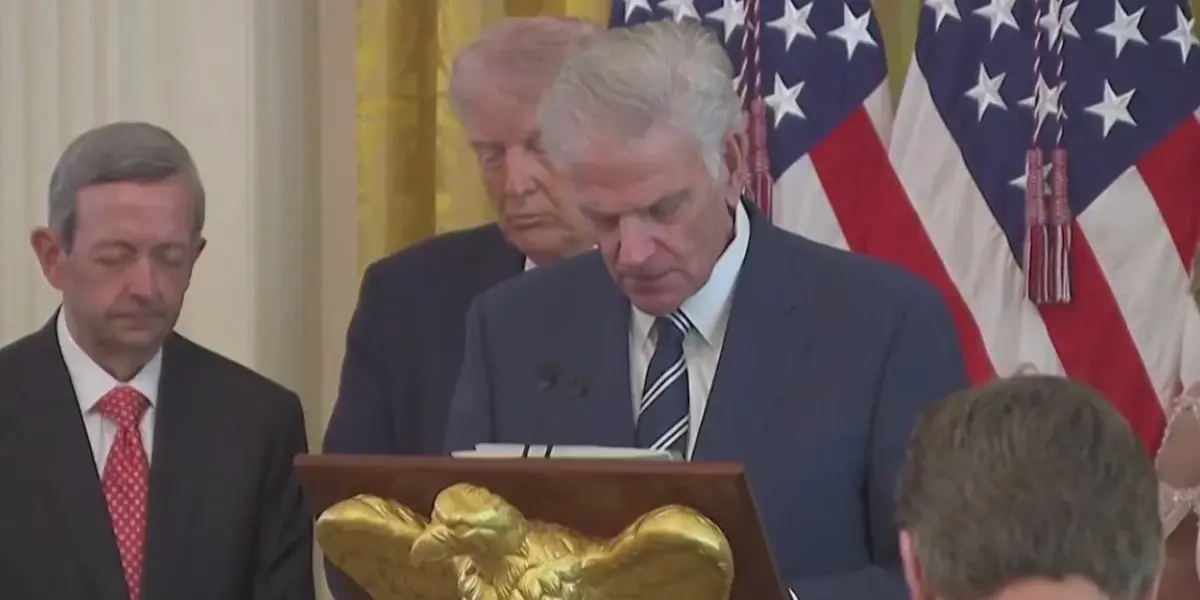
During his previous term, President Trump made religion a central theme of his messaging and policy. He expanded the White House Faith Office and supported prayer in schools and public religious expression. These actions highlight a deliberate effort to integrate faith into public life, sparking debate and increased visibility for religious practices.
Why Now? The Search for Meaning
The timing of this increased religious interest is significant. In a world that often feels uncertain and unpredictable, people naturally seek anchors and sources of meaning. For many, especially younger Americans who have grown up with constant change and digital overload, faith offers a sense of grounding and purpose. They are looking for something solid to hold onto.
This search for meaning is happening as traditional sources of stability, like politics and online communities, often fall short. The virtual world, while connecting people, can also feel isolating. Politics can be divisive. In contrast, religious communities can offer a sense of belonging, shared values, and a framework for understanding life’s challenges.
Global Impact and the World Order
While this analysis focuses on the United States, similar trends of religious re-engagement can be observed in other parts of the world. As global challenges mount, from economic instability to social change, the human need for comfort and community often leads people back to faith. This isn’t just an American phenomenon; it’s a reflection of a deeper human desire for connection and hope.
The increased visibility of religion in public life, especially in a diverse nation like the U.S., can have broader implications. It can influence social policies, cultural norms, and political discourse. Understanding these shifts is crucial for grasping the evolving social and political fabric of the nation and how it interacts with the rest of the world.
Historical Context: Faith’s Enduring Role
The United States has a long history of religious influence, dating back to its founding. While the Constitution established a separation of church and state, religious belief has always played a significant role in American identity and public life. From the Great Awakenings to various social movements, faith has often been a driving force for change.
This current trend can be seen as a continuation of this historical pattern. It’s not entirely new for religion to become more prominent during times of societal questioning. The difference now is the context of a highly digital, rapidly changing world. This makes the search for faith-based answers particularly relevant today.
Future Scenarios
Several future paths are possible. One scenario is that this religious uptick continues, leading to greater participation and influence for religious institutions. This could reshape social norms and political debates. Another possibility is that the current interest remains a temporary response to uncertainty, fading as conditions stabilize.
A third scenario involves a more nuanced integration of faith into public life. This might not mean a return to previous levels of religious dominance but rather a recognition of religion’s role in providing community and meaning for many citizens. The ongoing debate about religion’s place in government and public spaces will likely shape which of these futures unfolds.
The upcoming NewsNation special, “God and Country,” which examines religious resurgence among Millennials and Gen Z, will offer further insights into this evolving story. Understanding these trends is key to understanding the future direction of American society and its place in the world.
Source: Is religion making a comeback in the US? | Morning in America (YouTube)

Related Articles

GOP Lawmaker Demands ‘Aggressive’ AG Replacement
GOP lawmakers are divided over border security funding as one representative calls for a more "aggressive" Attorney General. The debate over funding and the upcoming replacement for AG Pam Bondi highlight internal party struggles. Meanwhile, concerns about birthright citizenship and FEMA's low disaster fund add to the political landscape.


Trump Fires AG Bondi Amidst Barrage of Personnel Changes
Donald Trump has fired Attorney General Pam Bondi, her tenure marked by controversy and a short duration. This move continues a pattern of high turnover in key positions within the Trump administration, raising concerns about legal integrity and future appointments.


Humans Return to Moon Orbit After 52 Years
Humans are heading back to the moon for the first time in over 50 years with the Artemis II mission. The four-astronaut crew will orbit the moon, marking a historic return to deep space exploration. Meanwhile, political developments include President Trump's warnings of further strikes against Iran and a leadership change at the Justice Department.