Faith and Fire: Can Prayers Win Wars?
Pope Francis questioned the validity of prayers in wartime, while a figure named Leavitt defended the practice as a noble way to support U.S. service members. This highlights a historical and ongoing debate about faith's role in conflict.

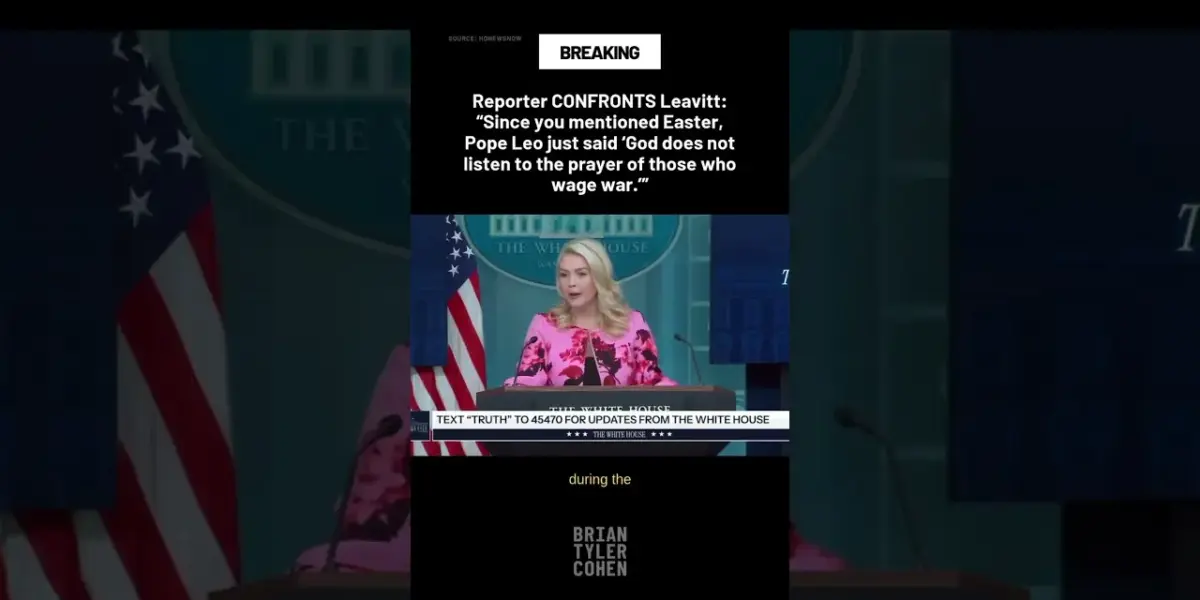
Faith and Fire: Can Prayers Win Wars?
Pope Francis recently stated that “God does not listen to the prayer of those who wage war.” This statement, made during a time of global conflict, has sparked debate about the role of faith in warfare and leadership. It raises a fundamental question: can prayer truly impact the outcome of military actions, and should leaders encourage it during wartime?
A Nation Built on Faith
In response to the Pope’s remarks, a prominent figure, identified as Leavitt, defended the practice of prayer during times of conflict. Leavitt pointed out that the United States, a nation nearly 250 years old, was founded on Judeo-Christian values. This historical foundation, Leavitt argued, has always included prayer, even during the most difficult periods in American history.
Leavitt highlighted that presidents and leaders of the Department of War have historically turned to prayer. Our troops have also engaged in prayer during turbulent times. Therefore, Leavitt sees nothing wrong with military leaders or the president asking the American people to pray for service members. In fact, Leavitt believes it is a noble act.
Support for Service Members
Many service members themselves appreciate the prayers and support they receive. Leavitt suggested that these prayers come from the commander-in-chief and his cabinet. This connection between leadership, faith, and the troops aims to provide a sense of solidarity and spiritual backing.
“I think it’s a very noble thing to do. Uh and if you talk to many service members, they will tell you they appreciate the prayers and support…”
Weighing the Perspectives
Pope Francis’s statement seems to question the efficacy or perhaps the appropriateness of praying for success in war, especially when one is the aggressor. It suggests a moral or spiritual disconnect between waging war and seeking divine favor. This perspective might stem from a belief that true peace requires an end to conflict, not prayers for victory within it.
On the other hand, Leavitt’s viewpoint emphasizes prayer as a source of strength, unity, and comfort for those involved in military service. It frames prayer not necessarily as a tool to win battles, but as a way to support soldiers and their families during immense hardship. This interpretation sees prayer as an expression of care and a connection to deeply held values, regardless of the conflict itself.
Why This Matters
The discussion touches on the complex relationship between religion, politics, and military action. It forces us to consider how leaders use faith to unite a nation, especially during times of crisis. It also makes us think about the personal beliefs of soldiers and how they find meaning and strength in their faith amidst the chaos of war.
This debate is important because it highlights different ways societies and individuals approach conflict. Some see prayer as a way to seek divine intervention or express moral conviction. Others view it as a vital source of psychological and spiritual support for those on the front lines. Understanding these differing viewpoints helps us grasp the diverse human responses to the realities of war.
Historical Context
Throughout history, religious leaders and political figures have often intertwined faith with national endeavors, including warfare. From ancient civilizations calling upon their gods for victory to modern leaders invoking divine blessings for their troops, prayer has been a recurring element in military history. For example, during World War II, many nations saw religious services and prayers for soldiers as a crucial part of the war effort.
The United States, in particular, has a long tradition of presidents calling for days of prayer or fasting during times of national trial. This practice reflects a belief held by many that national strength is connected to spiritual well-being. These historical precedents show that the tension between the spiritual and the martial is not new.
Looking Ahead
As global conflicts continue, the role of faith in leadership and military affairs will likely remain a point of discussion. Will future leaders lean more towards Pope Francis’s call for peace through non-violence, or will they continue to follow Leavitt’s approach of supporting troops through prayer? The answer may depend on evolving societal values and the specific nature of future conflicts.
The trend might see a greater emphasis on the humanitarian aspects of faith during wartime, focusing on comfort and support rather than divine intervention in battles. However, for many, the deep-seated practice of prayer as a source of courage and spiritual connection will undoubtedly persist. The conversation between faith and the battlefield is far from over.
Source: Reporter CONFRONTS Leavitt (YouTube)

Related Articles
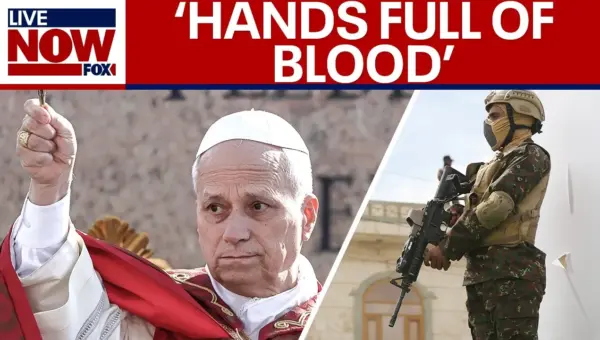
Pope Francis Condemns Iran War as ‘Atrocious’ on Palm Sunday
Pope Francis delivered a powerful condemnation of war during Palm Sunday Mass, calling the conflict in Iran 'atrocious' and stating that God rejects prayers from those who use violence. He urged a focus on peace, emphasizing that it comes from purified hearts, not from power or military might.

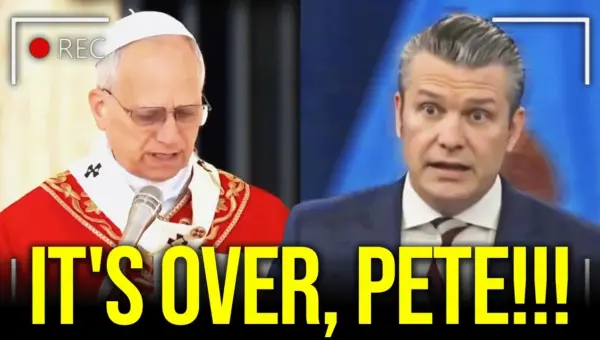
Pope Condemns War-Waging Leaders, Citing ‘Blood-Soaked Hands’
Pope Francis has strongly condemned leaders who initiate wars, stating that God rejects the prayers of those with "hands full of blood." His remarks come amid disturbing reports of civilian casualties and alleged war crimes in the Middle East, with the conflict fueling global economic instability and uncertainty.

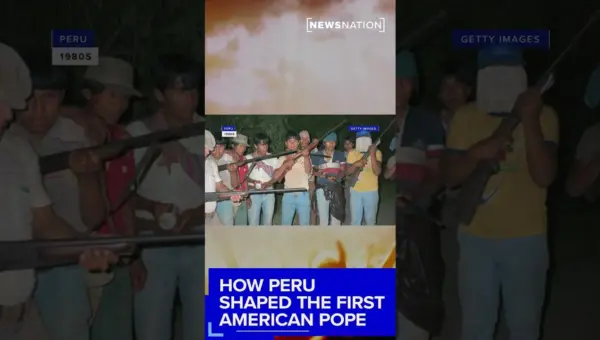
Pope Francis’s Peruvian Roots Shape Global Diplomacy
Pope Francis's early years in Peru during a period of intense poverty and terrorism profoundly shaped his diplomatic approach. Witnessing extreme hardship and choosing to stay with the community through danger instilled a deep empathy and commitment to peace that guides his global leadership.