Fact Check: How Fake News Fueled Panic After El Mencho’s Death
False and misleading images, including AI-generated content, circulated widely following the reported death of cartel leader 'El Mencho', fueling panic and fear in Mexico. Fact-checking revealed that viral videos of airport chaos and city-wide destruction were largely fabricated, highlighting the dangers of disinformation during crisis moments.

Mexico City, Mexico – A wave of disinformation swept across Mexico following the reported death of Nemesio Oseguera Cervantes, also known as ‘El Mencho’, the notorious leader of the Jalisco New Generation Cartel (CJNG). Dramatic images and videos of violence, which quickly went viral, have been fact-checked and found to be largely false or misleading, exacerbating public fear and panic during a period of heightened cartel activity.
Disinformation Storm After Cartel Leader’s Reported Death
The alleged killing of El Mencho by military forces, a significant development in Mexico’s ongoing struggle against organized crime, triggered a cascade of unverified information. Social media platforms became inundated with sensational content, including images of airport chaos, burning vehicles, and cities engulfed in flames. These visuals, while potent, were predominantly fabricated or manipulated, amplifying fear and contributing to a climate of uncertainty.
Guadalajara Airport Chaos: Misleading Viral Videos
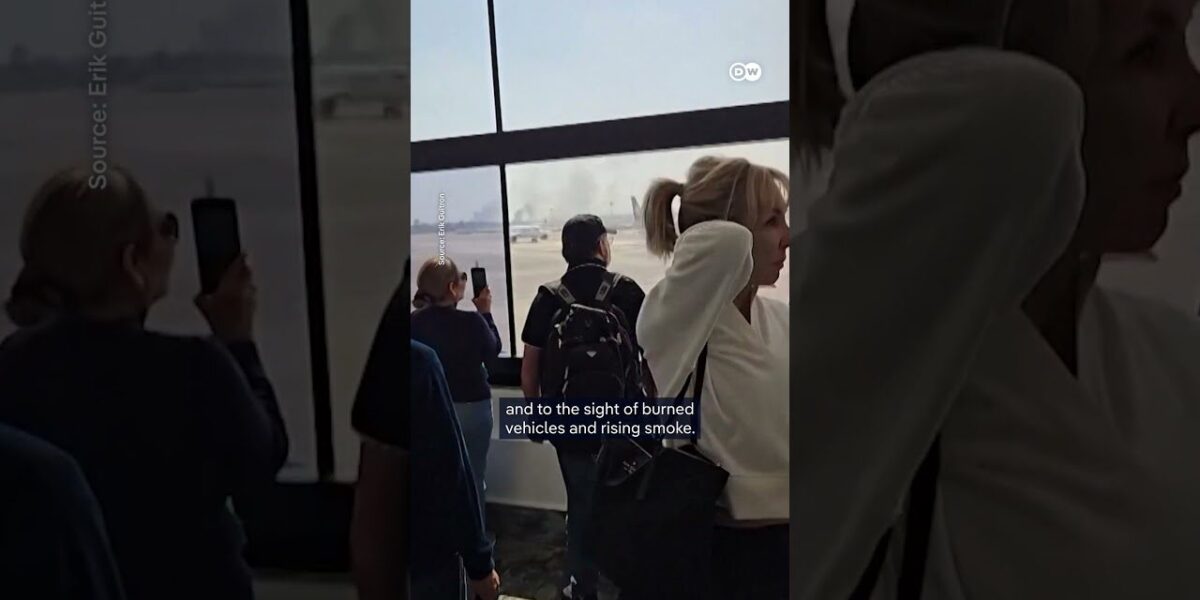
One of the most striking examples of this disinformation occurred at Guadalajara’s international airport. A video depicting widespread panic and people running in terror circulated widely, accompanied by claims that armed cartel members had seized the terminal. However, official statements from Mexico’s security cabinet and the airport operator refuted these assertions. While the exact sequence of events inside the airport remains unclear, as direct contact with the operator was not possible for direct confirmation, a statement indicated that the airport was operational and no internal incidents were reported. Local journalists and media outlets suggested that the panic observed was a reaction to gunfire heard outside the airport and the visible smoke from burning vehicles in the vicinity, rather than an actual takeover.
“The dramatic photos and videos that followed sparked fear and even panic. One of the clearest examples happened at Guadalajara airport. This video went viral showing people running in terror.”
AI-Generated Images Fuel False Narratives
Further amplifying the misinformation was a viral image showing a plane engulfed in flames on the runway, which garnered over two million views. Analysis using AI detection tools indicated a high probability that the image was synthetic, or heavily manipulated. Close examination revealed unrealistic details, such as a person standing remarkably close to the blaze, seemingly unfazed. Crucially, no official reports or photographic evidence have emerged to corroborate such an incident. This reliance on sophisticated digital manipulation highlights a growing trend where artificial intelligence is weaponized to create and disseminate false narratives during crisis situations.
Puerto Vallarta: AI Depicts Fictional Destruction
The tourist hotspot of Puerto Vallarta also became a target for disinformation campaigns. Images purporting to show columns of smoke darkening the coastal city circulated across local and international media. However, social media feeds were flooded with even more fabricated content, including AI-generated scenes of the city ablaze. One particularly notable fake image even bore a watermark from Google’s AI image generation tool, Gemini. These instances underscore how moments of heightened anxiety and fear make individuals more susceptible to believing and sharing false or misleading content.
The Dangers of Disinformation in Crisis
The events following the reported death of El Mencho serve as a stark reminder of the critical role of media literacy and critical thinking in the digital age. “These examples show how in moments of fear, users become more vulnerable to false or misleading content,” the report emphasizes. The rapid spread of unverified information can have tangible consequences, inciting panic, distorting public perception, and potentially hindering legitimate security operations. The sophistication of AI-generated imagery presents a new frontier in the battle against disinformation, making it increasingly challenging for the public to distinguish between reality and fabrication.
Looking Ahead: Combating the Infodemic
As authorities continue to grapple with the complexities of cartel operations and public security in Mexico, the challenge of combating the accompanying ‘infodemic’ remains paramount. Media organizations, fact-checking initiatives, and social media platforms face an ongoing battle to debunk false narratives and educate the public. “So remember, in risky situations, it is especially important to be alert to misleading news,” the analysis concludes. Future efforts will likely focus on enhancing AI detection capabilities, promoting digital literacy programs, and fostering a more resilient public sphere against the pervasive threat of disinformation.
Source: Fact check: How disinformation fueled panic after the killing of cartel boss 'El Mencho' | DW News (YouTube)

Related Articles


AI’s Economic Shift: Ownership is the New Wage
Artificial intelligence is projected to significantly reduce the economic value of human labor within a decade. Experts suggest that capital ownership, rather than wages, will become the primary means of wealth accumulation. Investors are urged to consider this shift in their long-term strategies.


Germany’s Fake Laws: AI Disinformation Campaign Exposed
Viral AI-generated videos falsely claim Germany has enacted absurd laws, including fines for flushing toilet paper. Experts reveal a disinformation campaign aiming to portray Germany as chaotic, with potential commercial or political motives behind the fabricated content.

Google’s Reddit Deal Fuels Marketer Shift
Google's exclusive data access deal with Reddit, reportedly worth hundreds of millions, is transforming search results by prioritizing authentic user discussions. This strategic move positions Reddit content at the forefront of Google searches and AI answers, creating new opportunities and challenges for marketers.