F-35 Jet Lands After Iran Combat Mission; Pilot Safe
A U.S. F-35 fighter jet made an emergency landing after sustaining damage during a combat mission over Iran, marking a potential first in the ongoing conflict. The pilot is safe, but the incident highlights the risks involved. Meanwhile, diplomatic efforts are underway, with Turkey exploring a mediation role, and Japan expressing a strong interest in securing vital shipping lanes.

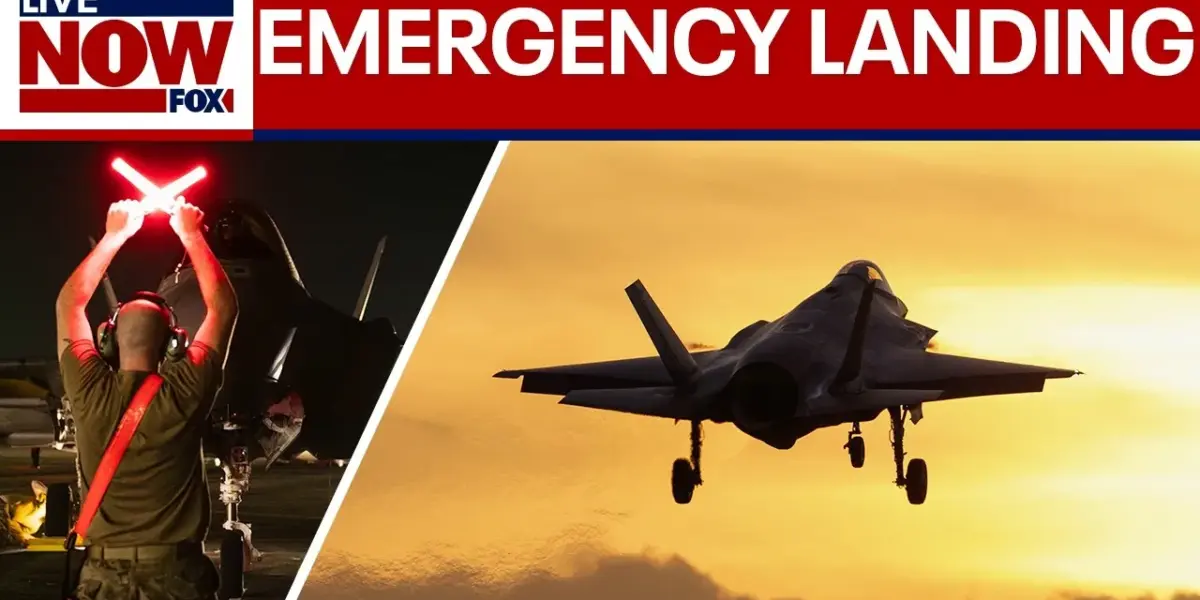
US F-35 Jet Makes Emergency Landing After Iran Mission
A United States F-35 fighter jet was forced to make an emergency landing following a combat mission over Iran. The pilot is reported to be in stable condition, according to U.S. military officials. The incident occurred amid ongoing strikes by the U.S. and Israel against Iranian infrastructure, which have targeted over 7,800 sites so far.
F-35 Sustains Damage in Potential Iranian Fire
The F-35, a stealth fighter jet, reportedly sustained damage during the mission. While officials have not confirmed the exact cause, CNN reported that the jet was believed to have been hit by Iranian fire. If confirmed, this would mark the first time a U.S. fighter jet has been struck in the sky during the current conflict. National security analyst Hal Kemp, a retired Marine intelligence officer, expressed surprise that more U.S. or Israeli aircraft had not come under fire earlier in the conflict.
“It’s a dangerous business and these things do happen,” Kemp stated, calling the incident a “cautionary tale.”
Assessing Damage to U.S. Assets
Questions have arisen regarding the extent of damage to U.S. bases, infrastructure, planes, and ships. While precise numbers are not yet available, the U.S. has acknowledged taking some losses. A service member was killed in Saudi Arabia, and an investigation is ongoing into a tragic incident involving a tactical operations center in Kuwait, which left nearly 200 people injured overall. Kemp noted that most injuries were not considered serious, but the military is carefully monitoring for any potential traumatic brain injuries.
The U.S. has lost some radar systems and other equipment, but no major assets have been reported destroyed on bases. Kemp explained that U.S. bases in the region are typically built with hardened structures, such as concrete revetments, designed to withstand strikes.
No U.S. Ground Troops Planned for Iran
President Trump has stated that he has no plans to deploy U.S. ground troops to Iran. However, he also indicated that he reserves the right to deploy military forces as needed, without revealing specific plans. Kemp suggested that this means the President has not made a final decision and could change his mind based on evolving circumstances.
One potential scenario for troop deployment could involve securing enriched uranium stored in Iran. Another possibility discussed is the seizure of islands around the Strait of Hormuz by the Marine Expeditionary Unit. Kemp noted that three of these islands are also claimed by the UAE, which recently had its gas facilities targeted by Iran. This could potentially lead to GCC countries taking a more active role, possibly holding islands after U.S. forces secure them.
Securing the Strait of Hormuz: A Complex Challenge
The Strait of Hormuz, a vital waterway for global oil transport, is immense and cannot be physically secured, according to Kemp. Iran’s presence on islands across most of the strait makes a complete blockade impractical. Instead, the focus has been on neutralizing small boats used by Iran’s Revolutionary Guard Corps.
The U.S. has reportedly disabled over 120 Iranian vessels, with Kemp expecting this number to rise significantly into the hundreds and potentially thousands as the conflict continues. He emphasized that there is no practical military solution to fully secure the Strait of Hormuz.
Turkey Explores Diplomatic Role
Turkey’s foreign minister has indicated discussions with both Iran and the United States about ending the war. Kemp believes that while a third party is not strictly necessary, it could be helpful. He sees a potential role for Turkey, despite existing geopolitical differences with Iran. However, he cautioned that Turkey itself has faced retaliatory actions from Iran, which could complicate its mediation efforts.
Kemp does not anticipate the war ending in the coming days or weeks, as significant steps are still required to reach a resolution.
Japan’s Vested Interest in Strait Security
Japan, a major consumer of oil from the Strait of Hormuz, has a significant national interest in its reopening. Japanese Prime Minister Fumio Kishida met with President Trump in Washington to discuss the broader security picture amid the conflict. Japan possesses advanced mine-sweeping capabilities and a strong navy, which could be valuable assets once the major combat phase concludes.
While Japan’s constitution currently prohibits its self-defense forces from entering combat zones overseas, the situation could evolve. Kemp suggested that Japan might play a role in post-conflict stabilization, particularly in mine clearance, once hostilities cease and risks are reduced.
East Asia and Taiwan on Watch
The conflict in the Middle East has also drawn attention to East Asia, particularly Taiwan. China, which had been conducting frequent provocative air activities around Taiwan, notably paused these actions for 10 days during the initial phase of the conflict. The reason for this pause remains unclear, leading to speculation about potential invasion plans.
However, some analysts now believe that China might delay its potential invasion timetable for Taiwan. The disruption to global supply chains caused by the Middle East conflict may have made China more cautious. Kemp advised keeping an eye on Taiwan as U.S. resources are committed to the Middle East.
Source: CENTCOM says F-35 jet forced to make emergency landing after Iran combat mission (YouTube)

Related Articles

U.S. Iran Tensions Rise Amid Shifting Alliances
Rising tensions between the U.S. and Iran are creating a volatile geopolitical situation. With conflicting signals on de-escalation and potential shifts in alliances like NATO and U.S.-Israel relations, the path forward remains uncertain. The global economy and regional stability hang in the balance.

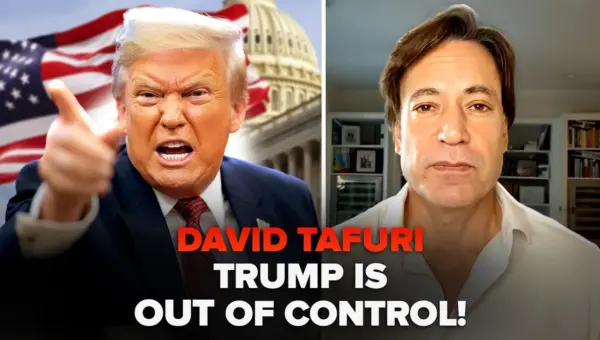
Trump Halts Iran Strikes Amid Stalled Diplomacy
President Trump announced a pause on planned strikes against Iran, citing productive talks, though Iran denies negotiations occurred. Reports also suggest a potential U.S. ground operation on Iran's Hark Island. The situation raises concerns about international support for Ukraine and potential shifts in U.S. foreign policy.
China Sends Old Jets Reborn as Drones Toward Taiwan
China has converted old J6 fighter jets into attack drones, deploying over 200 near Taiwan. These drones could overwhelm air defenses and present a costly challenge for Taiwan's interceptors. This move highlights evolving military tactics and regional tensions.