F-16s Over Kyiv? Western Pilots May Fill Ukraine’s Skills Gap
Unconfirmed reports suggest Western pilots may be flying F-16s over Ukraine, addressing critical pilot shortages and operational gaps. While officially denied, the scenario highlights the war's demand for experienced aircrews and the blurring lines of international support.

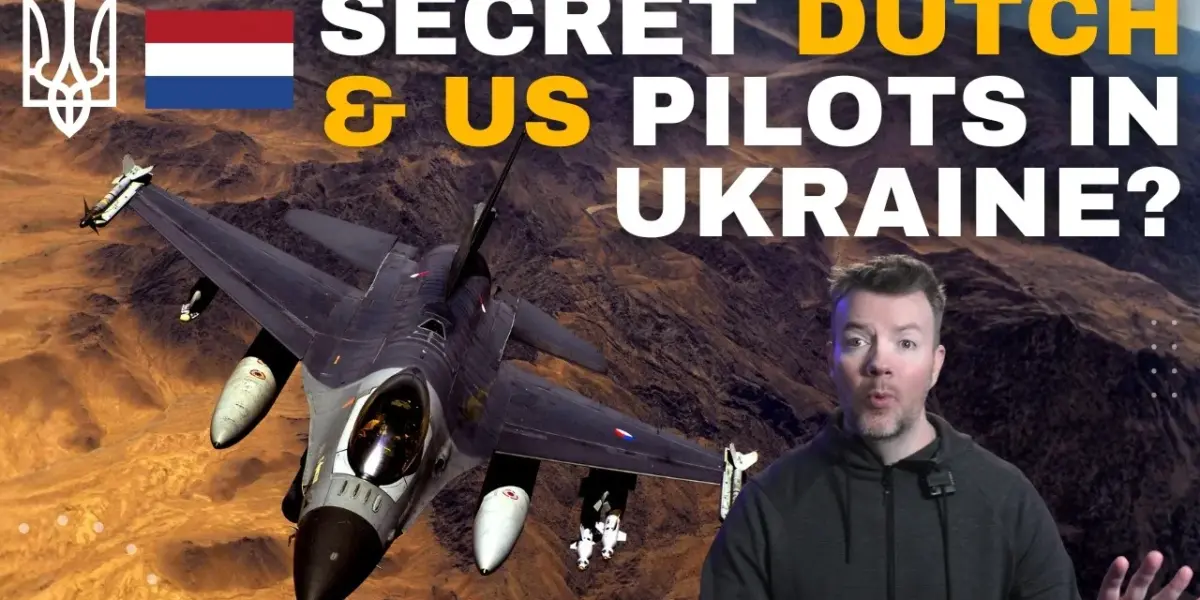
F-16s Over Kyiv? Western Pilots May Fill Ukraine’s Skills Gap
A recent, unconfirmed report suggesting that Western pilots, specifically from Dutch and American backgrounds, might be flying F-16 fighter jets alongside Ukrainian crews over Kyiv has ignited a firestorm of speculation. While officially denied by Ukraine, the idea resonates with the grim realities of the ongoing war, presenting a plausible, albeit politically charged, solution to Ukraine’s critical pilot shortage and the steep learning curve associated with operating advanced Western aircraft in a high-threat environment.
The Unforgiving Math of Air Warfare
Ukraine faces a multi-pronged challenge in its air force operations. It must sustain its existing Soviet-era aircraft, integrate and operationalize a new fleet of Western F-16s, and simultaneously defend against relentless Russian aerial assaults comprising drones and cruise missiles. This is a stark departure from peacetime air force training, which allows for ample time, resources, and predictable conditions. Ukraine operates under the constant pressure of minutes-long warning times against sophisticated attacks, demanding an immediate and sustained sortie generation capability that their current pilot pipeline struggles to provide.
The F-16, often nicknamed the “Viper,” is a high-performance aircraft that demands precision and expertise. Its responsiveness, while a tactical advantage, can be unforgiving of pilot error, especially under the immense physical and mental stress of combat. Transitioning from a calm, level flight to high-G maneuvers, managing energy, maintaining situational awareness, and executing complex intercepts, particularly at night or in adverse weather against elusive targets like low-flying drones and cruise missiles, requires thousands of hours of practice and deeply ingrained muscle memory. This is the gap where experienced pilots, particularly those with extensive NATO air defense backgrounds, could offer invaluable, immediate combat value.
The Pilot Shortage: A Matter of Time and Skill
Ukraine’s pilot shortage is a matter of simple arithmetic. Training new pilots or converting existing ones to advanced platforms like the F-16 takes months, even for seasoned aviators. Pulling experienced pilots from existing MiG-29 or Su-27 units to undergo F-16 training would create immediate gaps in their current defensive coverage, a risk Ukraine can ill afford. The F-16’s operational tempo and the complexity of modern air combat mean that “good enough” is not sufficient; it can lead to catastrophic failures and loss of life.
The rumor specifically mentions air defense missions around Kyiv and the use of targeting pods, details that lend credibility due to their alignment with Ukraine’s stated F-16 employment strategy: defensive operations, cruise missile interception, and operating cautiously within a dangerous airspace. The implication is that experienced Western pilots, already proficient in these specific mission sets and intimately familiar with the F-16’s systems and NATO tactics, could provide a crucial short-term bridge.
The Plausibility of Contractor Pilots
The idea of retired Western pilots flying for Ukraine, potentially as contractors, gains traction when viewed against the backdrop of foreign involvement on the ground. Since 2022, Ukraine has seen a significant influx of foreign volunteers serving in various capacities within its armed forces, from infantry and special operations to artillery and medical roles. These individuals, driven by a range of motivations, have become a tangible, albeit informal, extension of international support. While governments have typically framed this as individual choice rather than state-sponsored action, the precedent for Westerners engaging in combat roles in Ukraine is undeniable.
The leap from Western infantry veterans to retired fighter pilots is less dramatic when considering the nature of the F-16’s role in the current conflict. The skills honed over decades by pilots in NATO air defense environments—intercept geometry, sensor management, night operations, and high-G maneuvering—are directly applicable to Ukraine’s most pressing air defense needs. A small cadre of such pilots could not only maintain sortie rates but also accelerate the tactical proficiency of Ukrainian crews through direct, real-world experience, a method often more effective than formal training alone.
Political Ramifications and Strategic Signaling
The primary reason for Ukraine’s official denial of these reports is the significant political risk. Direct involvement of active-duty NATO pilots would be a severe escalation, potentially providing Russia with a propaganda victory by framing the conflict as a direct NATO-Russia war. However, retired pilots operating under private contracts, while still risky and politically sensitive, represent a more deniable and conceptually distinct scenario from official state intervention. Such an arrangement, if exposed, would still be highly explosive for Russia’s narrative, but it avoids the immediate, direct confrontation that active-duty involvement would entail.
Furthermore, Russia has a vested interest in portraying Ukraine as struggling and Western support as wavering. A functioning F-16 enterprise, demonstrating sustained capability and continuous improvement, directly counters this narrative. The existence of a mixed squadron, even a temporary one, would signal Ukraine’s resilience and the depth of its international backing, undermining Russia’s strategic objectives.
Why This Matters
This speculative report, whether factually accurate or not, highlights the critical resource constraints and innovative adaptations occurring in the Ukraine war. It underscores that military capabilities are not just about advanced hardware but also about the human element—skilled pilots, maintainers, and tacticians—and the time it takes to cultivate them. The rumor reflects a battlefield where time is the most precious commodity, and both sides are acutely aware of its decisive impact. The potential for retired Western pilots to fill immediate gaps speaks to the evolving nature of modern warfare, where the lines between national forces, private military contractors, and international coalitions of volunteers are increasingly blurred. It also signifies the West’s ongoing commitment to Ukraine’s defense, albeit through pathways that are carefully calibrated to manage escalation risks.
Historical Context and Future Outlook
Throughout history, conflicts have seen foreign nationals contribute to military efforts, often in advisory or specialized roles. The current war in Ukraine, with its unprecedented scale and technological sophistication, is no exception. The involvement of foreign fighters in ground combat units has already normalized a certain level of non-state international participation. The extension of this to highly specialized aircrew roles, while more sensitive, follows a similar logic of necessity driven by extreme circumstances.
The future outlook suggests that as long as the war continues and Ukraine faces resource deficits, such unconventional solutions will remain on the table. The F-16, a symbol of Western military aid, represents a significant investment, and ensuring its effective deployment is paramount. If this rumor proves true, it would be a testament to Ukraine’s determination to leverage every available asset and experience. Conversely, if it remains unsubstantiated, it still serves as a potent indicator of the expectations and potential future trajectories of Western involvement in the conflict.
Ultimately, the unconfirmed reports of Western pilots flying F-16s over Ukraine, while officially denied, tap into a deep well of strategic logic and operational necessity. They represent a plausible, albeit politically precarious, means for Ukraine to bridge its pilot deficit, accelerate F-16 integration, and maintain critical air defense capabilities. The war continues to be a crucible of innovation and adaptation, where the boundaries of conventional warfare are constantly being tested and redefined.
Source: Are Western Pilots Secretly Flying F-16s Over Ukraine? (YouTube)

Related Articles


G7 Allies Clash Over Iran War Strategy, Urge Focus on Russia
G7 foreign ministers met in Paris, revealing deep divisions over the U.S. war with Iran. European allies urged the U.S. to pressure Russia, linking its actions to the conflict and fearing support for Ukraine will wane.

Iran Blocks China Ships, Exposing Beijing’s Weak Grip
Iran's recent decision to block Chinese ships at the Strait of Hormuz is exposing the limits of Beijing's influence in the Middle East. This action is causing delays and cancellations for Chinese manufacturers, turning a perceived geopolitical win into an economic strain.
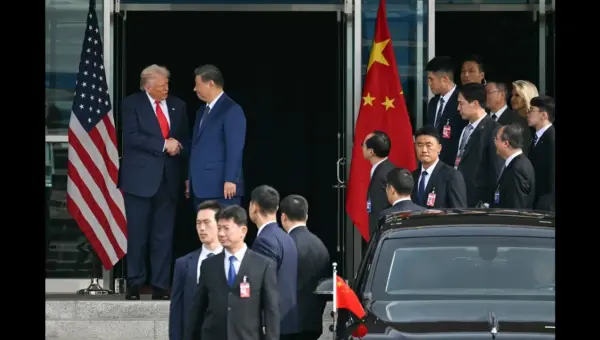
Trump’s “Walk Away” Tactic Signals Tougher Stance on China
Retired Air Force Brigadier General David Stillwell believes President Trump's strategy of being willing to walk away from negotiations puts pressure on China. This tactic, combined with US global actions and strengthened alliances, signals a more assertive American foreign policy.