Experts Dispute US Claims on Iran Reactor’s Nuclear Bomb Role
Nuclear experts are publicly disputing the Trump administration's claims that Iran's Tehran Research Reactor is being used to develop nuclear weapons. Scientists assert the U.S.-built facility, operational for decades for civilian research, lacks the capacity for bomb-making.

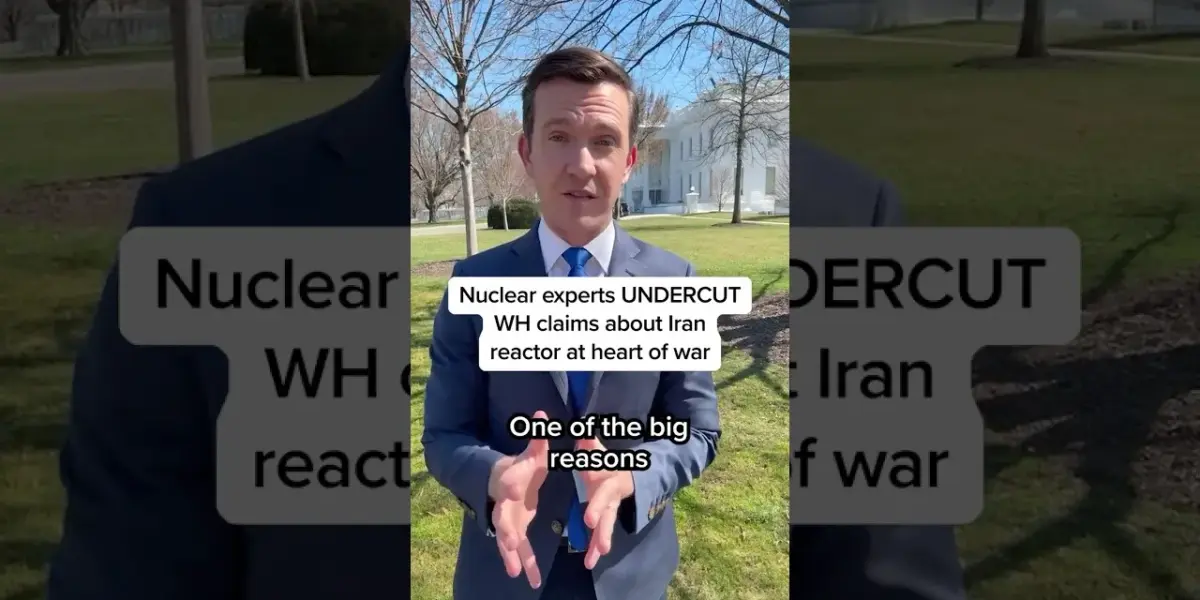
Experts Challenge US Narrative on Iran’s Tehran Research Reactor
Multiple nuclear scientists and nonproliferation experts have publicly challenged the Trump administration’s assertion that Iran’s Tehran Research Reactor (TRR) is a central component in the country’s alleged pursuit of nuclear weapons. The administration has cited the reactor as a key justification for potential military actions, yet has offered no evidence to substantiate claims that the U.S.-built facility, operational for nearly six decades for civilian research, is being repurposed for weapons development.
Decades of Civilian Research Undermined by Accusations
The Tehran Research Reactor, established with American assistance in the 1960s, has historically served as a vital hub for scientific research and medical isotope production in Iran. Its primary function has been to support peaceful nuclear applications, including cancer treatment and agricultural advancements. However, recent pronouncements from the Trump administration have cast a shadow over its benign purpose, suggesting a clandestine shift towards military objectives.
“Multiple nuclear scientists and nonproliferation experts told MS NOW that the reactor does not have the capacity to serve as an easy conduit to a bomb as asserted by the administration.”
Scientific Consensus Points to Reactor’s Limitations
Contrary to the administration’s claims, a consensus among seasoned nuclear scientists and nonproliferation specialists indicates that the TRR lacks the necessary infrastructure and capabilities to be instrumental in the development of a nuclear bomb. These experts, speaking to MS NOW, emphasized that the reactor’s design and operational parameters are fundamentally geared towards research and medical applications, not weapons-grade fissile material production on a scale required for a weapon.
The core of the TRR utilizes highly enriched uranium (HEU) fuel, a common characteristic of many research reactors worldwide. However, the quantity of HEU used and the reactor’s overall power output are significantly below the threshold needed for the large-scale production of plutonium or highly enriched uranium suitable for a nuclear device. Furthermore, the technical expertise and specialized facilities required for weaponization are distinct from those associated with operating a research reactor.
Geopolitical Context and International Scrutiny
The allegations surrounding the Tehran Research Reactor emerge against a backdrop of heightened international tensions and ongoing debates about Iran’s nuclear program. For years, Iran has been under intense scrutiny from global powers and international bodies like the International Atomic Energy Agency (IAEA) regarding its nuclear activities. While the Joint Comprehensive Plan of Action (JCPOA), or Iran nuclear deal, aimed to curb Iran’s nuclear ambitions in exchange for sanctions relief, its subsequent unraveling has led to renewed accusations and a climate of mistrust.
The U.S. withdrawal from the JCPOA in 2018 and the reimposition of stringent sanctions have significantly impacted Iran’s economy and its relationship with the international community. The administration’s focus on the TRR, in this context, appears to be part of a broader strategy to increase pressure on Iran and justify a more assertive foreign policy. However, the lack of concrete evidence presented by the administration has led many international observers and experts to question the validity of these specific claims.
The Role of Information and Diplomacy
The conflicting narratives surrounding the Tehran Research Reactor highlight the critical role of verifiable information and open diplomacy in navigating complex international security issues. The reliance on expert opinion and technical assessments, as provided by nuclear scientists and nonproliferation specialists, is crucial for forming an accurate understanding of a nation’s nuclear capabilities and intentions. Unsubstantiated claims, particularly those made in a high-stakes geopolitical environment, can escalate tensions and undermine efforts towards peaceful resolution.
Vaughn Hillyard’s reporting for MS NOW underscores the importance of scrutinizing official statements and seeking independent expert analysis. The discrepancy between the administration’s assertions and the scientific community’s assessment of the TRR’s capabilities suggests a potential disconnect between political rhetoric and technical reality. This situation underscores the need for transparency and evidence-based policymaking, especially when dealing with issues of nuclear proliferation and potential military conflict.
What Lies Ahead for Iran’s Nuclear Program
As the international community continues to monitor Iran’s nuclear activities, the focus remains on diplomatic solutions and de-escalation. The differing perspectives on the Tehran Research Reactor serve as a stark reminder of the complexities involved in nuclear nonproliferation and the challenges of achieving international consensus. Future developments will likely involve continued diplomatic engagement, potential for renewed negotiations, and ongoing IAEA inspections to ensure transparency and compliance. The credibility of claims regarding Iran’s nuclear program will hinge on the presentation of verifiable evidence and the consensus of the international scientific and intelligence communities.
Source: Nuclear experts UNDERCUT White House claims about Iran reactor at heart of war (YouTube)

Related Articles


Trump’s War Costs Ignite Fury Across Political Divide
As the US expends billions on a new Middle East conflict, questions about cost, rationale, and broken promises ignite fury across the political divide. Even Fox News and conservative figures are voicing concerns, highlighting the growing public unease with escalating warfare.
China’s Iran War Stance: Strategic Restraint Amid Global Rivalry
China's subdued response to the Iran war, despite significant economic ties, highlights a strategic approach prioritizing self-interest over alliance obligations. This calculated restraint, analysts suggest, is part of Beijing's long-term strategy to gain global influence by allowing geopolitical rivals to expend resources.


Trump’s Iran Standoff Could Trigger U.S. Recession
Economists warn that Donald Trump's actions in Iran could be the catalyst that officially pushes the U.S. into a recession. This concern arises as many believe the nation is already experiencing recessionary conditions, masked by potentially misleading GDP figures and exacerbated by surging oil prices.