Ex-Trump Aide’s Testimony Could Sink President’s Iran War Claims
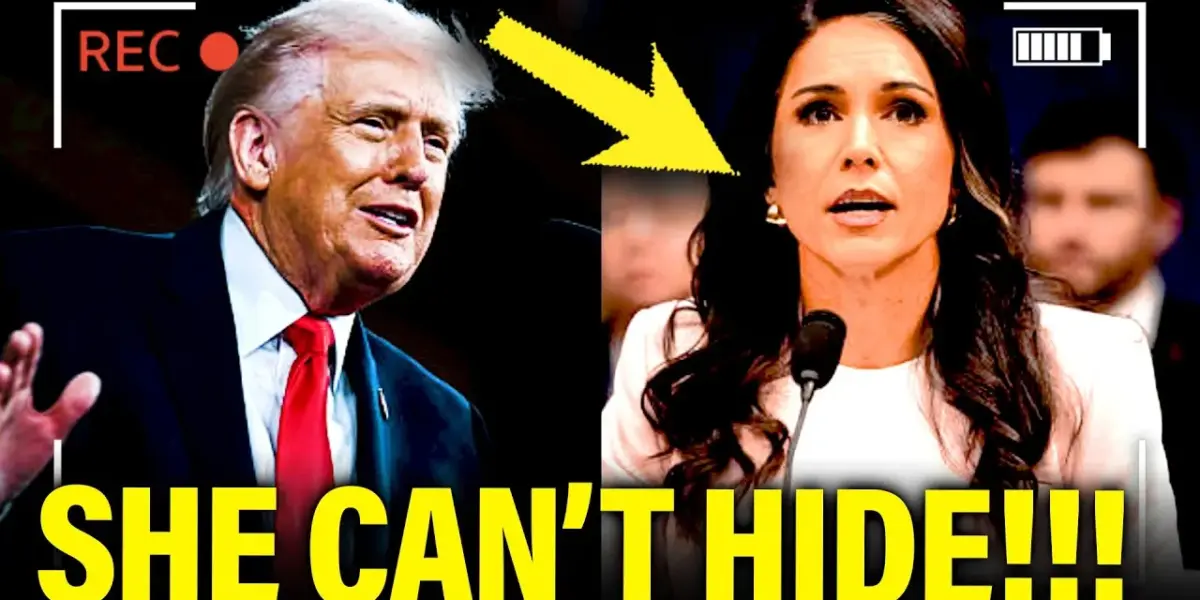
Former Trump aide Joe Kent claims President Trump lied about Iran's threat to justify war. Now, Tulsi Gabbard, the director of national intelligence, who also opposed the war, is set to testify, potentially creating a major crisis for Trump.

Ex-Trump Aide’s Testimony Could Sink President’s Iran War Claims
A former top intelligence official for Donald Trump is raising serious questions about the former president’s decision to go to war with Iran. Joe Kent, who was Trump’s director of counterterrorism, resigned in a letter accusing Trump of lying to the American people. Kent claims Trump used the threat of an imminent Iranian attack as an excuse to start the war, when intelligence did not support this claim.
Kent’s resignation letter, which he didn’t have to write, stated he could not in good conscience support the war. He argued that Iran posed no immediate threat and that the war was started due to pressure from Israel and its powerful lobby in America. Kent also mentioned his own military service and the loss of his wife in a war he believes was also influenced by Israel. He urged Trump to reflect and reverse course.
Tulsi Gabbard’s Role in Question
While Kent’s resignation is significant, the focus is now shifting to Tulsi Gabbard, who is the director of national intelligence. Seventeen agencies, including the CIA, report to her. Gabbard is set to testify before Congress this week about intelligence related to the Iran war. This testimony could be a major problem for Donald Trump.
The issue is that Gabbard herself has publicly opposed going to war with Iran. During her presidential campaign, she was quite clear on this stance. She stated that a war with Iran would be far more devastating and costly than the war in Iraq, calling it a potential cakewalk in comparison. Gabbard has also criticized what she calls “neocon war hawks” surrounding Trump, suggesting they pushed for regime change wars despite Trump’s campaign promises.
Intelligence Assessments vs. Trump’s Claims
According to reports and leaks, the intelligence assessment before the first bomb was dropped on February 28th was that Iran would not collapse, and regime change would not occur even if the supreme leader was taken out. The expected reaction from Iran would be to target U.S. oil interests and blockade the Strait of Hormuz.
The video suggests that Trump’s decision to strike first may have been based on advice from individuals with no foreign policy or war strategy experience, such as his son-in-law Jared Kushner and cryptocurrency associate Steve Witkoff, rather than intelligence assessments. No one in the intelligence community believed Iran would attack first, especially after Trump bombed part of Iran’s nuclear program.
Kent’s Controversial Views
Joe Kent himself is a controversial figure. Despite a decorated military career as a Green Beret and a former CIA paramilitary officer, he is known as a significant election denier and conspiracy theorist. He has expressed beliefs that the FBI and intelligence community may have been involved in planning or directing the violence on January 6th. He cited the presence of confidential human informants within the crowd that day as evidence of potential government infiltration.
During his confirmation hearing, Kent clashed with Senator Mark Kelly over these claims. He suggested that the Washington field office of the FBI, and potentially other law enforcement agencies, might have engaged in entrapment. Kent believes transparency is crucial regarding such actions by law enforcement and intelligence communities.
The Iran War and Its Consequences
The conflict with Iran has raised concerns about its strategic implications. Defense Secretary Pete Buttigieg has stated that plans have always been in place for potential blockades of the Strait of Hormuz, through which about 27% of the world’s oil passes. However, the video questions the effectiveness of these plans, suggesting that preparations should have been made earlier, perhaps on day one of the conflict, rather than weeks later.
The current situation puts Tulsi Gabbard in a difficult position. She has previously criticized the idea of war with Iran and even introduced legislation to make it an impeachable offense for a president to bypass Congress and start a war unilaterally. Now, as director of national intelligence, she is expected to testify about the very intelligence that may have led to the conflict she opposed.
Future Outlook and Implications
This week’s testimony from Gabbard, along with CIA Director John Ratcliffe and FBI Director Kash Patel, is expected to be a critical moment. Donald Trump has previously accused Gabbard of seeking to preserve her own political viability. Her testimony will likely involve addressing her past statements against the Iran war and any role her office may have played in leaking information that could portray Trump negatively.
The situation highlights a potential conflict between political motivations and intelligence assessments. The credibility of Trump’s justification for the war is on the line, and the testimony of key intelligence figures, particularly Gabbard, could reveal significant discrepancies. This could have lasting implications for how such foreign policy decisions are made and scrutinized in the future.
Why This Matters
This situation is crucial because it concerns the integrity of intelligence used to justify military action and the accountability of those in power. Joe Kent’s resignation and Tulsi Gabbard’s upcoming testimony bring to light serious allegations that the decision to go to war with Iran may have been based on misinformation or political pressure, rather than genuine threats. The public has a right to know the truth behind such significant decisions that can lead to conflict and loss of life. The potential for intelligence officials to hold differing views from their superiors, and the implications of those differences, are also important aspects of democratic oversight. This case could set a precedent for how whistleblowers and dissenting voices within the intelligence community are treated and heard.
Historical Context
The tensions between the United States and Iran have a long and complex history, dating back to the 1953 coup that overthrew Iran’s Prime Minister. More recently, the Iran nuclear deal, officially known as the Joint Comprehensive Plan of Action (JCPOA), was a major point of contention. The Trump administration withdrew from the JCPOA in 2018, leading to increased tensions and sanctions.
The period leading up to and during the Trump administration saw a significant escalation of rhetoric and actions concerning Iran. The assassination of Iranian General Qasem Soleimani in January 2020 and the subsequent Iranian missile strikes on U.S. bases in Iraq are key events in this recent history. The current discussion about the justification for war and the role of intelligence is happening within this context of heightened animosity and a history of proxy conflicts and direct confrontations.
Trends and Future Outlook
The events described point to a growing trend of political figures within intelligence roles facing scrutiny over their decisions and past statements. The deep divisions within the political landscape are also reflected in the intelligence community, leading to potential conflicts of interest and public distrust. As seen with Joe Kent, individuals with strong personal beliefs, particularly those questioning established narratives or government actions, may find themselves at odds with presidential administrations.
Looking ahead, the testimony of Tulsi Gabbard and other intelligence leaders will likely shed more light on the internal workings and decision-making processes during the Trump administration regarding Iran. It could lead to calls for greater transparency and accountability within the intelligence agencies and the executive branch. Furthermore, it may influence future approaches to engaging with nations like Iran and the criteria used to justify military interventions, emphasizing the importance of verifiable intelligence and congressional oversight.
Source: Trump’s OWN Top Aide Could Be His WORST NIGHTMARE (YouTube)

Related Articles

Iran War Exodus: Refugees Flee to Turkey Amidst Bombings
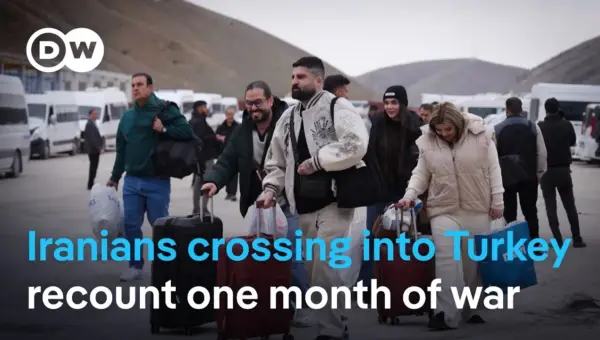
A train from Tehran brings refugees to Turkey, fleeing daily bombings and economic collapse. Many express deep fear for loved ones left behind, while some hold onto national pride and hope for victory. The conflict's impact is also felt economically in Turkey, with rising gas prices.
Trump’s Name Everywhere: A ‘Stain’ on GOP Legacy?
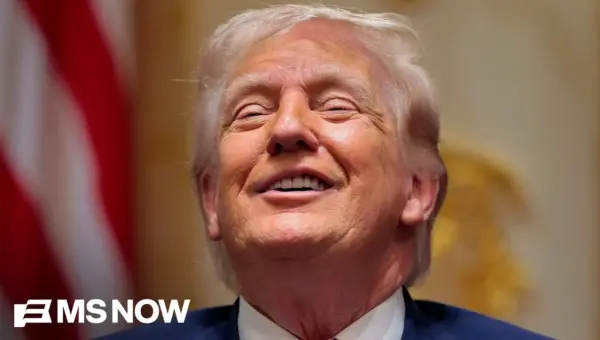
Former President Donald Trump's efforts to brand national symbols, including a proposed signature on dollar bills, spark debate. Critics view this as an authoritarian attempt to embed his legacy, potentially staining the Republican Party's history and contrasting with democratic ideals of public ownership.
Trump’s War Talk Stuns Financial Crowd
Donald Trump's recent speech in Miami focused on his foreign policy, particularly his critical views on NATO and his vision for international relations. He declared the U.S. would no longer defend NATO allies, questioned the value of existing alliances, and suggested renaming the Strait of Hormuz. The speech also touched on his personal views of success, his allies, and his perceived role as a global peacemaker.