Ex-Pentagon Chief Mattis Slams Trump’s War Strategy
Former Defense Secretary James Mattis sharply criticized Donald Trump's approach to the Iran conflict, stating Trump lacks a clear plan and has damaged U.S. alliances. Mattis believes rebuilding trust with allies will take years and warns against actions that benefit rivals like Russia and China.

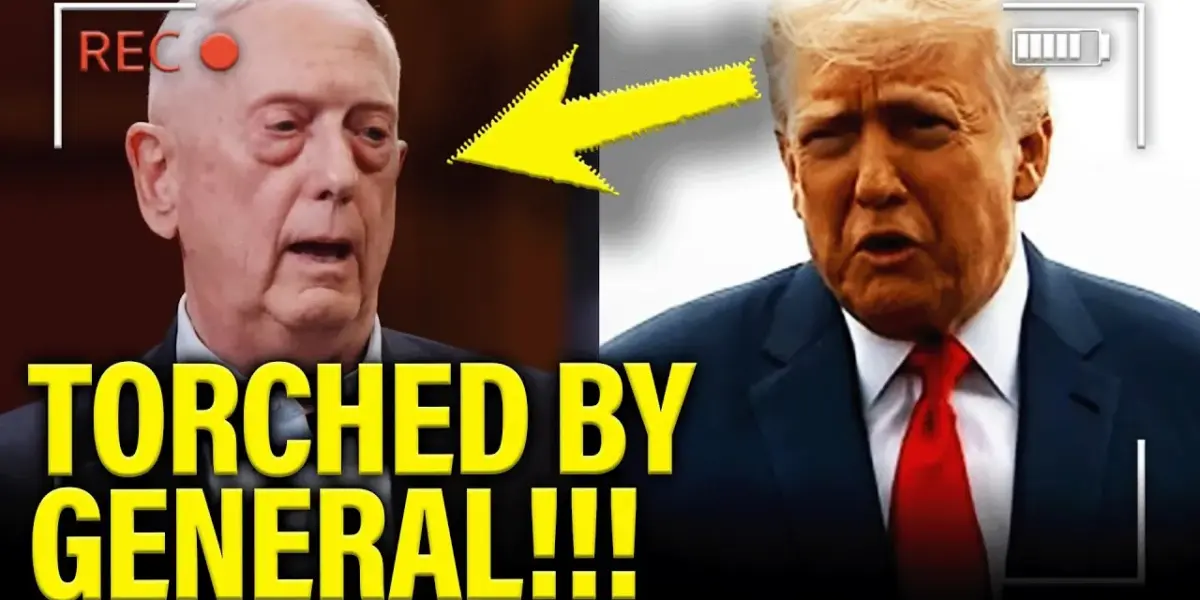
Mattis Criticizes Trump’s Muddled Approach to Iran Conflict
Former Defense Secretary James Mattis, a highly respected four-star general, has sharply criticized former President Donald Trump’s strategy regarding the conflict in Iran. Mattis, who served as Trump’s defense secretary from 2017 to 2018, believes Trump lacks a clear plan for the region and has damaged crucial relationships with U.S. allies.
A Long Road to Rebuilding Trust
General Mattis stated that it could take eight to twelve years to repair the damage Trump inflicted on America’s relationships with its allies, particularly NATO. He highlighted that Trump’s attacks on the alliance and other partners have left a significant void. Mattis emphasized that America needs allies to effectively engage in international affairs and address global challenges. He pointed out that countries like Denmark, which suffered heavy losses fighting alongside the U.S. after 9/11, feel neglected. Mattis believes that imposing tariffs on allies while demanding increased defense spending creates a strategic disconnect, ultimately working against U.S. interests.
“Nations with allies thrive. Those without them die, whether we like it or not, we are part of a world that needs allies.” – General James Mattis
Uncertainty About Iran’s Future
Mattis expressed doubt that the current Iranian regime will collapse soon. He suggested that attempts to topple the government are unlikely to succeed and that the U.S. must prepare to deal with the regime as it is. He described the regime as fragile in its grip on power but strong enough to use violence against its own people to stay in control. Mattis warned that actions perceived as predatory or unreliable by allies make it impossible to build the necessary trust for international cooperation.
Lack of Clear Objectives
A key concern for General Mattis is the lack of clear objectives in Trump’s foreign policy, especially concerning Iran. He explained that military strategy, whether in war or other operations, requires clearly defined purposes and desired end states. Mattis noted that statements from Trump’s administration have been contradictory, ranging from calls for unconditional surrender to threats of sending in thousands of troops. He contrasted Trump’s description of actions as a “limited excursion” with the Iranian regime’s view of the conflict as a fight for survival.
Mattis drew a parallel to historical events, noting that after the 1979 Iranian Revolution, political Islamists rose to power, leading to the current situation. He believes that while Israel has weakened some Iranian-backed militias and set back its nuclear program, the regime itself remains intact. This suggests that the fundamental strategic challenges in the Middle East persist.
Strategic Disconnect and Beneficiaries
The former Defense Secretary also touched upon the economic and military benefits Russia and China are gaining from the current global situation. He suggested that decisions like easing sanctions on Russian oil, which Ukraine opposes, do not help peace and strengthen Russia’s position. Weapons that could have been sent to Ukraine are being diverted, and Russia is benefiting economically. China, he noted, is also profiting from these developments.
Mattis’s Extensive Experience
General Mattis brings a wealth of experience to his analysis. He served in leadership roles in the Middle East, including commanding troops in the Persian Gulf War, Afghanistan, and Iraq. He also headed U.S. Central Command (CENTCOM) from 2010 to 2013, overseeing operations across the region. His resignation as Defense Secretary in December 2018 stemmed from disagreements with Trump’s foreign policy decisions, highlighting a deep rift in strategic thinking.
Why This Matters
General Mattis’s critique is significant because he is a highly respected military leader with decades of experience in the Middle East. His assessment suggests that a lack of clear strategy and alienating allies can lead to prolonged instability and unintended consequences. The rebuilding of trust, as he points out, is a slow process, indicating that repairing diplomatic ties damaged by aggressive rhetoric and actions takes considerable time and consistent effort. This raises questions about the long-term effectiveness of foreign policy approaches that prioritize unilateral action over international cooperation.
Future Outlook
The implications of Mattis’s remarks point to a challenging future for U.S. foreign policy, particularly in the Middle East. If allies remain distrustful and strategic goals are unclear, achieving lasting peace and stability will be difficult. The continued presence and potential strengthening of regimes like Iran, coupled with the gains made by geopolitical rivals like Russia and China, suggest a complex and potentially more dangerous international environment. The emphasis on rebuilding alliances and establishing clear, achievable objectives appears crucial for navigating these complexities effectively.
Source: Trump gets TORCHED by FOUR STAR GENERAL over WAR!! (YouTube)

Related Articles

Iran Targets US With Cyberattacks, Escalating Digital Warfare
Iran is increasingly using cyberattacks to challenge the U.S., as seen in a recent hack of the FBI director's account. Experts say this is a strategic shift due to Iran's limitations in conventional warfare. The U.S. needs to strengthen its digital defenses, focusing on encryption and cloud computing, rather than solely relying on traditional security measures.

Iran Hacks FBI Chief, Exposing U.S. Cyber Vulnerabilities
A recent hack of FBI Director Kash Patel's personal email by an Iran-linked group highlights Iran's growing cyber threat to the U.S. Experts explain how simple security oversights are exploited, emphasizing the need for basic defenses like two-factor authentication to protect against propaganda and potential infrastructure attacks.

Protesters Challenge Presidential Power, Ignite Debate
Millions are protesting nationwide under the "No Kings" banner, challenging presidential authority and policies they deem unconstitutional. Organizers emphasize First Amendment rights while debating foreign policy, immigration, and the balance of power.