Ex-Intel Official Says War Justification Was Lie
Former counterterrorism official Joe Kent resigned, stating the justification for the war with Iran was a lie and based on faulty intelligence. His departure reveals deep divisions within the Trump administration and its base regarding foreign policy and the evidence used to launch military action.

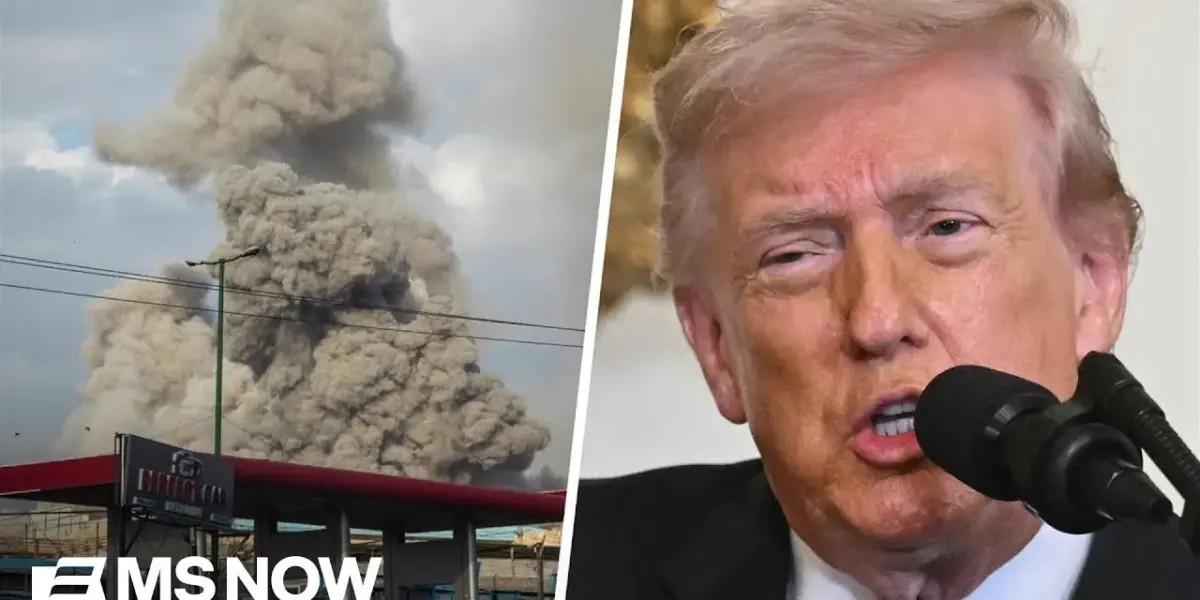
Top Counterterrorism Official Resigns, Citing False War Claims
A high-ranking counterterrorism official has resigned, stating the justification for a recent war was based on lies. Joe Kent, former director of national counterterrorism, announced his resignation, saying he could not support the conflict with Iran. His departure highlights a growing division within the Trump administration and among its supporters regarding foreign policy and the intelligence used to launch military action.
Kent’s Stated Reasons for Resignation
In his resignation statement, Kent directly challenged the narrative presented by President Trump. He stated that Iran was not an imminent threat to the United States. This contradicts the reasoning used by the administration to justify the war. Kent expressed concern that a leader who views him as weak on security would be placed in charge of national counterterrorism efforts. However, Michael Duffin, former senior adviser for the State Department’s Bureau of Counterterrorism, suggested that Trump often prioritizes loyalty over expertise in his appointments.
“I agree with his rationale for resigning that this illegal war was not justified based on the intelligence… that the intelligence community published one year ago in their annual threat assessment.”
Michael Duffin, Former State Department Counterterrorism Adviser
Intelligence and the Iran Threat
The core of Kent’s disagreement appears to be the intelligence assessment of Iran. While President Trump and some allies claimed compelling evidence of an impending attack, this evidence has not been widely shared with the public. Duffin pointed out that the intelligence community’s own annual threat assessment, published a year prior, did not support the idea of an imminent threat from Iran. He questioned the basis for initiating a war, noting that such decisions typically require extensive preparation, while Iran has been preparing for defense for decades.
Israel’s Role and War Justification
A significant point of contention raised by Kent is the influence of Israel in the decision to go to war. Kent suggested the war in Syria was manufactured by Israel and that the U.S. was drawn into conflict based on recommendations from Israel’s prime minister. This perspective aligns with certain factions within the MAGA base, including figures like Megan Kelly and Tucker Carlson, who have long argued that the conflict is essentially Israel’s war. While President Trump has rejected the idea that Israel dragged the U.S. into the conflict, stating he pushes them, the White House’s initial statements, as noted by Duffin, suggested that Israel’s determination to attack might have been a key factor. The distinction between Iran being a threat and Iran being an *imminent* threat is crucial, as the latter serves as the legal justification for war.
Divisions Within the MAGA Base
Joe Kent’s resignation is seen as a major acceleration of existing divisions within the MAGA base. While some, like Republican Congressman Don Bacon, have strongly criticized Kent’s remarks, calling them anti-Semitic and wishing him gone, others, like Tucker Carlson, have praised his decision to speak out. This split creates a political challenge for President Trump, as it exposes differing views on foreign policy and national security within his own political movement. The resignation also coincides with broader concerns about national security, particularly the absence of a director for the National Counterterrorism Center and potential retaliation related to the war.
Broader Implications and Future Concerns
The resignation of a high-profile official like Kent raises questions about the preparedness of the U.S. government to handle the consequences of waging war. This includes potential impacts on global markets, such as rising oil and gas prices, which affect everyday Americans. The U.S. government’s ability to manage these economic challenges is further hampered by past decisions, such as the layoff of hundreds of nonpartisan public servants from the State Department, including experts in Middle East oil and gas. These individuals could have provided crucial advice in mitigating economic disasters. The ongoing debate is further fueled by upcoming testimonies, such as that of Tulsi Gabbard before the Senate, who has historically been skeptical of military intervention. Vice President Vance also faces scrutiny for his views on foreign wars, though the President has downplayed any significant disagreements between them on this issue.
What to Watch Next
The coming days and weeks will be critical in understanding the ripple effects of Kent’s resignation. Key figures like Tulsi Gabbard are expected to voice their perspectives on military action, potentially emboldening others to speak out. The Trump administration will face continued pressure to provide a clear and convincing justification for its actions in Iran and to address the growing internal dissent. The economic consequences of the conflict and the administration’s ability to manage them will also be closely watched, especially given the reported reduction in experienced personnel within the State Department.
Source: 'Justification for going to war was a lie': Fmr. counterterrorism official on Kent resignation (YouTube)

Related Articles

G7 Allies Clash Over Iran War Strategy, Urge Focus on Russia
G7 foreign ministers met in Paris, revealing deep divisions over the U.S. war with Iran. European allies urged the U.S. to pressure Russia, linking its actions to the conflict and fearing support for Ukraine will wane.


US Must Block China’s Tech Access for Security
US national security experts are raising alarms about China's access to advanced AI chips, arguing it threatens strategic advantages. This, coupled with charges against Chinese entities for fentanyl precursor sales and a ban on foreign routers, signals a growing effort to prioritize security over business ties.

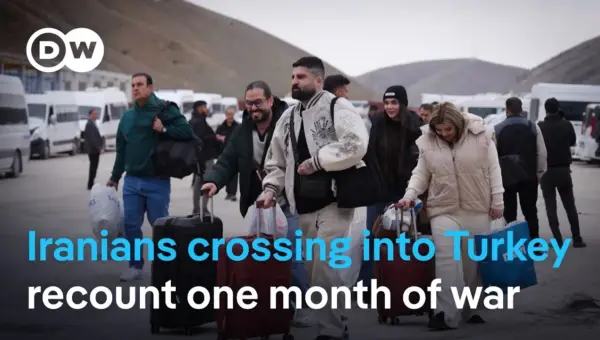
Iran War Exodus: Refugees Flee to Turkey Amidst Bombings
A train from Tehran brings refugees to Turkey, fleeing daily bombings and economic collapse. Many express deep fear for loved ones left behind, while some hold onto national pride and hope for victory. The conflict's impact is also felt economically in Turkey, with rising gas prices.