Ex-DOGE Official Admits No Regrets Over Fund Cuts
A former DOGE official testified they have no regrets about cutting research grants, despite admitting the cuts did not reduce the federal deficit. The testimony raises questions about accountability and the true cost of budget decisions on vital academic work.

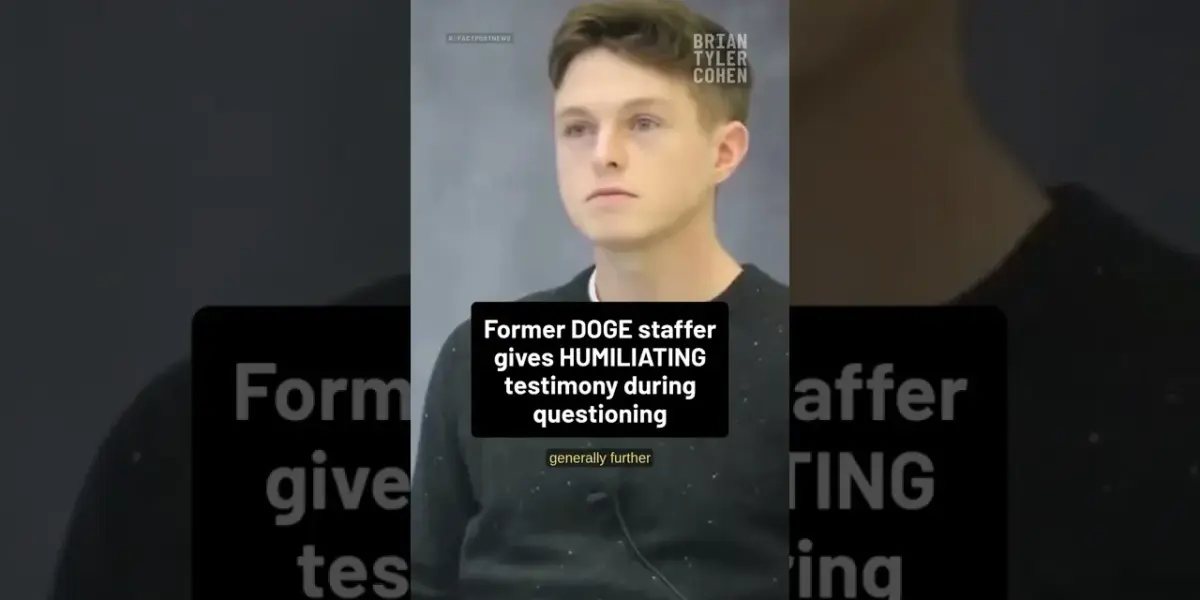
Ex-DOGE Official Admits No Regrets Over Fund Cuts
A former staffer from the White House Office of Science and Technology Policy (OSTP), often referred to as DOGE, recently gave testimony that has raised serious questions. The official, who worked on grant programs, stated they have no regrets about cutting funding for various projects. These grants had supported scholars and their work, sometimes even covering housing costs. The testimony came during a period of intense questioning about the impact of these funding decisions.
When asked if they felt anything about people potentially losing important incomes or support for their lives, the former official responded with a firm ‘No.’ This answer was delivered after an objection was raised, highlighting the sensitive nature of the questioning. The official’s reasoning for the cuts was to reduce the federal deficit, which had reached $2 trillion.
The Deficit Promise Unfulfilled
However, the claim that these cuts helped reduce the deficit quickly came under scrutiny. When pressed on whether the deficit was indeed reduced, the former official admitted that they did not believe it was. This admission suggests a disconnect between the stated goals of the funding cuts and their actual outcome. The implication is that significant projects and the people who relied on them were affected, without achieving the intended fiscal benefit.
Historical Context of Grant Funding
Understanding this situation requires looking at the role of government grants in supporting research and scholarly work. For decades, federal agencies have provided funding to universities, research institutions, and individual scholars. These grants are crucial for advancing knowledge in fields ranging from science and technology to the humanities. They often fund projects that are too expensive or too risky for private industry to support. This funding can cover salaries, research materials, travel, and even living expenses for researchers, allowing them to dedicate themselves fully to their work.
The specific programs overseen by the OSTP official likely involved allocating funds to various initiatives aimed at fostering innovation and academic progress. These projects, described as ‘real projects by real people,’ were designed to have tangible outcomes. The testimony suggests that these valuable endeavors were halted or significantly scaled back due to funding decisions made by the official and their department.
Conflicting Motivations and Outcomes
The former official’s testimony presents a stark contrast between the stated intention of fiscal responsibility and the lived reality of those affected by the cuts. While the goal of reducing the national debt is a legitimate concern for any government, the methods employed and their effectiveness are now being questioned. The admission that the deficit was not significantly reduced, despite the impact on grant recipients, raises concerns about the decision-making process.
It highlights a potential blind spot where the human and scientific costs of budget cuts are overlooked in favor of abstract fiscal targets. The testimony implies that the pursuit of deficit reduction, in this instance, may have been an insufficient justification for the disruption caused. This situation could be seen as a cautionary tale about the complex balance between fiscal policy and the support of critical research and academic pursuits.
Why This Matters
This testimony matters because it sheds light on how funding decisions are made and who is affected. It raises questions about accountability and the justification for cutting programs that support intellectual and scientific advancement. The lack of regret expressed by the former official, coupled with the admission that the deficit was not reduced, suggests a potential disconnect between policy goals and tangible results. This impacts not only the individuals who lost funding but also the broader progress of research and innovation that relies on such support.
Implications and Future Outlook
The implications of such funding cuts can be far-reaching. Projects may be delayed or abandoned, potentially setting back scientific discovery or artistic creation. Researchers might be forced to seek funding elsewhere, often from private sources with different agendas, or leave their fields altogether. This can lead to a loss of talent and a shift in research priorities away from public good towards commercially viable interests.
Looking ahead, this incident could prompt a re-evaluation of how federal grants are managed and how funding decisions are communicated. There may be increased pressure for transparency and a clearer demonstration of the intended benefits versus the actual costs of budget reductions. Policymakers will need to carefully consider the long-term consequences of short-term fiscal measures, ensuring that vital research and scholarly activities are not unduly sacrificed. The balance between fiscal prudence and investment in knowledge remains a critical challenge for governments worldwide.
Source: Former DOGE staffer gives HUMILIATING testimony during questioning (YouTube)

Related Articles

Musk’s Former DOGE Staff Face Scrutiny in Viral Deposition Videos
Viral deposition videos from former employees of Elon Musk's Department of Government Efficiency (DOGE) are drawing scrutiny in a civil lawsuit. The suit alleges DOGE violated the First Amendment by canceling over 1,400 arts, history, and education grants. A former staffer admitted the agency failed to reduce the federal deficit as claimed.
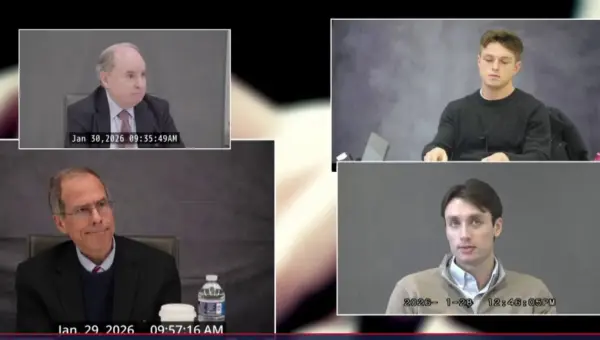
DOGE Ex-Staffers’ Depositions Go Viral Amid Lawsuit
Viral deposition videos from former employees of Elon Musk's Department of Government Efficiency (DOGE) are at the center of a lawsuit alleging First Amendment violations. Ex-staffers are being questioned about DEI program cancellations and the agency's claimed savings, which fell short of deficit reduction goals.
Ex-Trump Aide’s Data Access Sparks Social Security Breach Probe
A federal investigation is probing allegations that a former Trump administration official with the Department of Government Efficiency (DOGE) improperly accessed and attempted to transfer sensitive Social Security Administration data. The probe centers on claims of access to databases containing millions of Americans' personal information, raising alarms about data security and potential misuse.