Ex-CIA Head Doubts President on Iran Talks, Cites ‘Cards’ Iran Holds
Former CIA Director John Brennan expressed skepticism over President Trump's claims of direct negotiations with Iran, stating he believes Iran's denial more than the President's assertions. Analysts highlight Iran's significant leverage, including its control over the Strait of Hormuz and its nuclear program, while the conflict impacts global oil prices and risks further escalation.

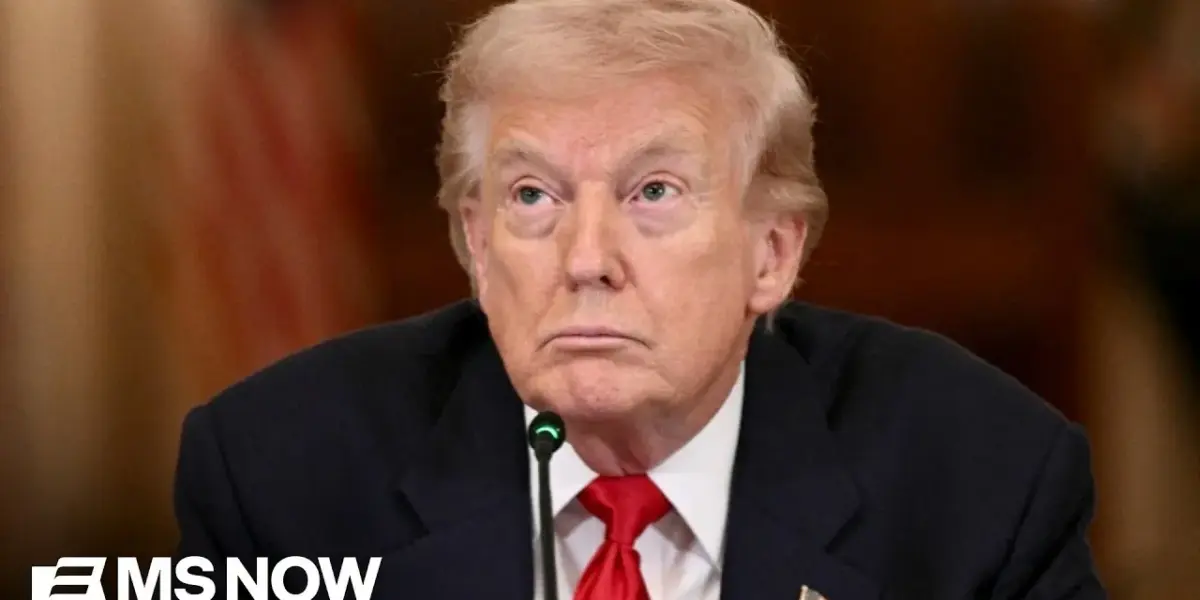
Ex-CIA Chief Questions President’s Claims on Iran Negotiations
Former CIA Director John Brennan expressed strong doubt regarding President Trump’s assertions of direct negotiations with Iran. Brennan stated that Iran’s parliamentary speaker had denied any such talks, leaving him confused by the President’s public statements. “I tend to believe Iran more than I do the president,” Brennan remarked, suggesting the President may be “flailing” to resolve a self-created “debacle.”
Iran’s Position and Potential Mediators
Brennan believes that while direct, authoritative negotiations between the Trump administration and the Iranian government are unlikely, indirect communication might be happening. He pointed to efforts by Turkey and Egypt to mediate the ongoing crisis. “They may be talking to people indirectly,” Brennan said, “but I don’t believe there’s anybody speaking authoritatively right now on behalf of the Iranian government with the Trump administration.”
Analysis of the President’s Statements
The President has repeatedly claimed that negotiations are underway, even stating discussions extended into the previous evening. However, according to Brennan and others, no concrete proof has been offered to support these claims. Michael Steele, a commentator, suggested, “I think the president’s lying, but, you know, that’s just me.” He added that the President often speaks without substance, saying, “Donald Trump is doing what Donald Trump always does, and that is talking out of his behind.”
“Cards” Iran Holds in the Conflict
Retired General and commentator Michael Steele used a card analogy to explain Iran’s leverage. He argued that Iran holds significant cards that the Trump administration seems unable to recognize or address. These include:
- The will to fight: Despite military degradations, Iran remains defiant and unwilling to surrender.
- Control of the Strait of Hormuz: Iran’s ability to disrupt global oil shipping through this vital waterway is a major threat.
- Nuclear capabilities: The presence of highly enriched uranium and centrifuges poses a significant concern.
Steele noted, “The Iranians have the cards, they have the will to fight… They have the Strait of Hormuz… They got nuclear, highly enriched nuclear uranium.”
Economic Impact and Global Ramifications
The conflict has had tangible economic consequences, particularly on oil prices. The New York Times reported a 30% jump in gas prices in some states within two weeks. In an effort to blunt these increases, the Trump administration reportedly eased some sanctions on Russian and Iranian oil exports. This move may bolster Iran’s economy and signals a reversal of U.S. policy. Brennan questioned the logic, asking, “I don’t understand how this fixes the issue that we are seeing.”
Iran’s Social Media Strategy
Iran has also engaged on the social media battlefield, releasing videos and memes that mock the President and the current situation. This strategy appears aimed at appealing to ordinary Americans and adds to the overall pressure. “I’ve seen a lot of people sharing these memes and these legal videos that the Iranian government seems to have put out today, making fun of the president,” one commentator observed.
The Strait of Hormuz Bottleneck
The disruption at the Strait of Hormuz has created a significant backlog of ships. Currently, 1,500 ships are waiting to pass through. It is estimated that it could take at least a month for escort missions to begin and another two months to clear the backlog. This means normal traffic could be delayed for up to three months, assuming the strait remains open. “You’re looking at three months until we get anywhere close to assembles and order. That’s if the Strait is open,” a commentator warned.
Military Deployments and Potential Operations
The deployment of 2,200 Marines from Japan and California raises questions about potential ground operations. Experts speculate about possible actions on Karg Island or other islands in the Strait of Hormuz. However, such operations are viewed as highly risky. “Putting boots on the ground… they’re going to be sitting 20 miles off the coast of Iran, and they’re just a big target,” one analyst stated. The political implications of American casualties on Iranian territory are also a major concern.
Risk of Escalation and Iranian Resilience
Committing U.S. troops to ground operations is seen as potentially leading to more deaths and disaster. The Iranians are perceived as resilient and unlikely to be intimidated. They are aware of U.S. movements and have prepared defenses, including booby traps and mines. “The Iranians, I don’t think they’re going to be intimidated,” an analyst stated. The possibility of military operations to seize uranium enrichment facilities in Isfahan is considered an extremely risky undertaking. The consensus among analysts is a strong hope for de-escalation, acknowledging the potential for a prolonged and difficult conflict if hostilities continue.
Russia’s Role and Financial Implications
The discussion also touched upon Russia’s involvement, with Ukraine’s intelligence chief reporting that Russia is using its own intelligence capabilities and cooperating with Middle Eastern partners. Russia is reportedly providing intelligence and support to Iran, helping them to “stay in the game.” The lifting of sanctions on Russian and Iranian oil is seen by some as benefiting Russia financially, allowing them to fund their activities. “You all have to follow the money and who in Donald Trump’s orbit is getting paid right now,” one commentator questioned.
Looking Ahead: De-escalation is Key
The situation remains tense, with significant economic and military risks. Analysts emphasize the need for de-escalation and a clear strategy that acknowledges Iran’s leverage. The coming weeks will be critical in determining whether diplomatic channels can be effectively utilized to prevent further escalation and resolve the ongoing crisis in the Persian Gulf. The world watches to see if cooler heads will prevail amidst the rising temperatures.
Source: Ex-CIA head: ‘I tend to believe Iran more than the president’ (YouTube)

Related Articles
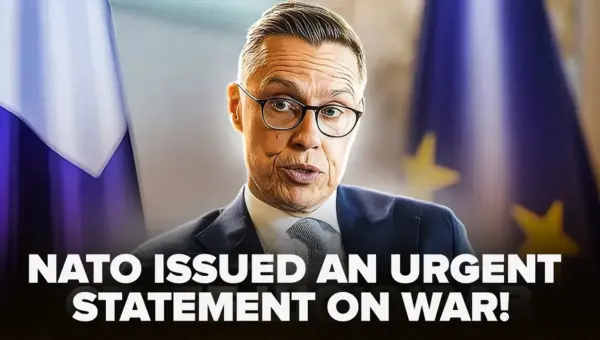
Ukraine Strikes Russian Oil Refinery, Eyes Iran Threat
Ukrainian forces struck a key Russian oil refinery, disrupting Moscow's war capabilities. Meanwhile, Finland's president urged continued U.S. support for Ukraine, as Kyiv shares its air defense expertise globally amid growing geopolitical complexities involving Iran and potential sanctions against Hungary.

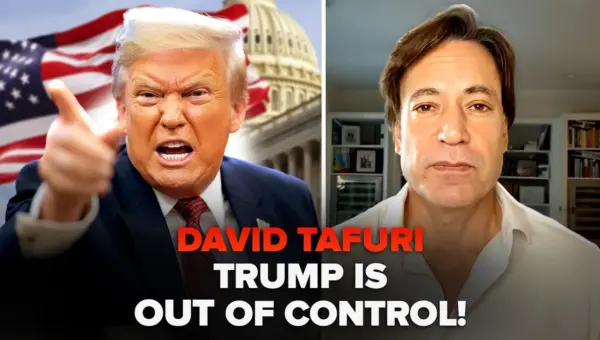
Trump Halts Iran Strikes Amid Stalled Diplomacy
President Trump announced a pause on planned strikes against Iran, citing productive talks, though Iran denies negotiations occurred. Reports also suggest a potential U.S. ground operation on Iran's Hark Island. The situation raises concerns about international support for Ukraine and potential shifts in U.S. foreign policy.
Polls Spell Doom: Republicans Face Voter Backlash
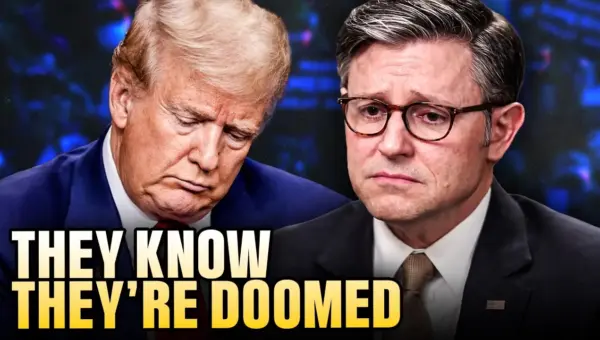
New polling data reveals a sharp decline in public confidence regarding the economic impact of Republican policies, particularly under Donald Trump. A significant majority now feel financially worse off, a trend that is especially pronounced among independent voters. This economic discontent poses a major challenge for the Republican party heading into future elections.