Ex-Ambassador: Trump’s “Take Oil” Remark Unproductive for Allies
Former U.S. Ambassador Nicholas Burns criticized President Trump's call for allies to "take" oil from the Strait of Hormuz, labeling it "unproductive" and damaging to NATO relationships. The remarks come amid rising tensions and highlight conflicting U.S. strategies, potentially allowing Iran to emerge as a winner if the Strait remains closed.

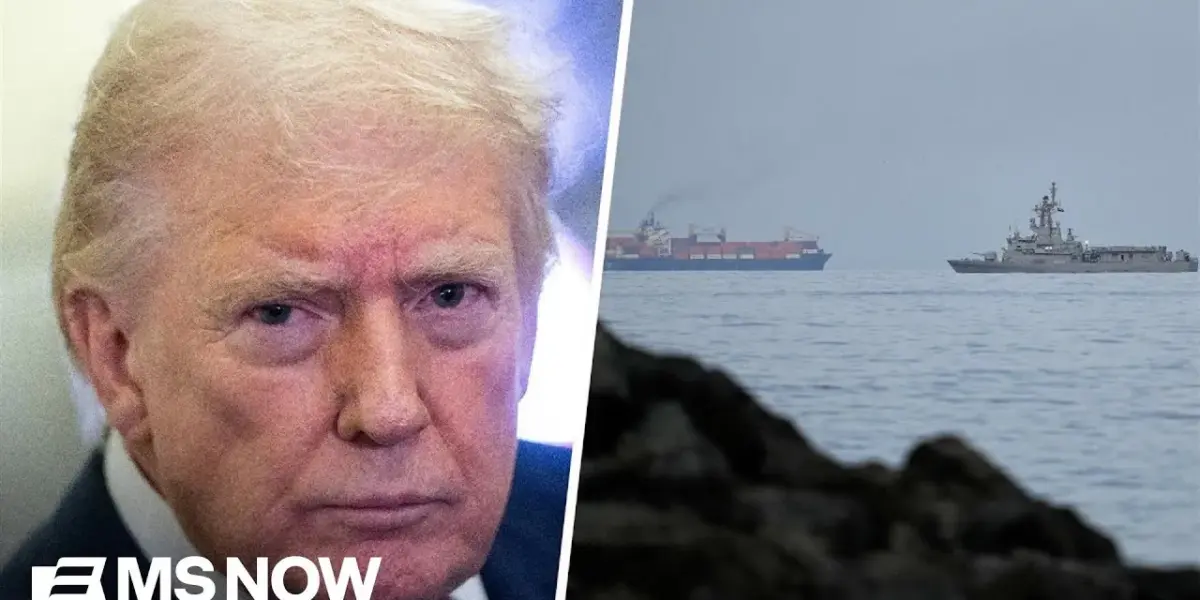
Ex-Ambassador Slams Trump’s “Take Oil” Demand as “Unproductive”
Former U.S. Ambassador Nicholas Burns has strongly criticized President Trump’s recent social media statements urging allies to “take” oil from the Strait of Hormuz, calling the message “tough and unproductive.” The remarks, made amid rising tensions with Iran, suggest allies should secure oil supplies themselves rather than relying on U.S. assistance.
Conflicting Messages Create Instability
Burns highlighted the contradictory nature of the President’s messages, particularly concerning the potential end of military action without resolving the core issue of the Strait of Hormuz’s closure. “If, in fact, this Wall Street Journal article is accurate that the president is thinking about ending the war without resolving the problem of the closure of a Strait of Hormuz, in that situation, Iran would emerge as the winner of this war,” Burns explained. He warned that allowing Iran to control transit through the vital waterway would grant them significant influence, a scenario he believes the U.S. cannot permit.
Strain on NATO Alliances
The former ambassador emphasized the negative impact of Trump’s statements on relationships with key U.S. allies like Germany, Italy, and the United Kingdom. “Put yourself in the shoes of Germany or Italy, or the United Kingdom. You weren’t told that the war was going to begin. You weren’t let in on the strategy at the beginning,” Burns stated. He pointed out that public opinion and parliaments in these democratic nations have turned against the conflict. Now, as the U.S. faces challenges in the Strait of Hormuz, Trump is asking these same allies for help, despite their initial lack of involvement or support for the war.
Burns, a former ambassador to NATO, stressed the alliance’s core principle: mutual defense when a member is attacked. “When a NATO ally is attacked, then of course the expectation is that all the allies will defend that country as the allies defended us on 9-11,” he said. He contrasted this with the current situation, where the U.S. has initiated action against a third country outside the NATO framework. “This is a very different situation where we’ve attacked a third country outside the NATO alliance,” Burns noted, adding that it makes a difficult argument to persuade European nations to intervene.
China’s Diplomatic Maneuvers
The situation has also seen significant diplomatic activity from China. Burns acknowledged reports that the U.S. is aware of China’s actions to assist Iran. Just recently, China and Pakistan jointly released a five-point initiative calling for peace, an end to fighting, peace talks, protection of civilian infrastructure, and the opening of the Strait of Hormuz.
Burns described China’s role as complex. While China has been a “loser” in some respects by not fully supporting its partners like Iran and Venezuela, it now has an opportunity to gain influence. “They’ve been a loser because they really have not stood up for either Iran, their partner, or Venezuela back in January,” he observed. “So if you’re a friend to China, China is not going to be there for you.” However, Burns believes China may now seek to position itself as a leader for stability and a protector of the global order, presenting itself as an anti-war country in contrast to U.S. actions in the region.
Future Implications
The dynamics surrounding the Strait of Hormuz, the U.S. relationship with its allies, and China’s growing diplomatic role are critical developments to watch closely. The effectiveness of Trump’s “America First” approach in rallying support versus the potential for alienating key partners remains a central question. Additionally, China’s strategic positioning could reshape regional and global stability in the coming months.
Source: 'Unproductive': Fmr. Amb. reacts to Trump telling allies to go and 'take' oil from Hormuz (YouTube)

Related Articles
Trump’s Iran Strategy Sparks Fears of High Oil Prices
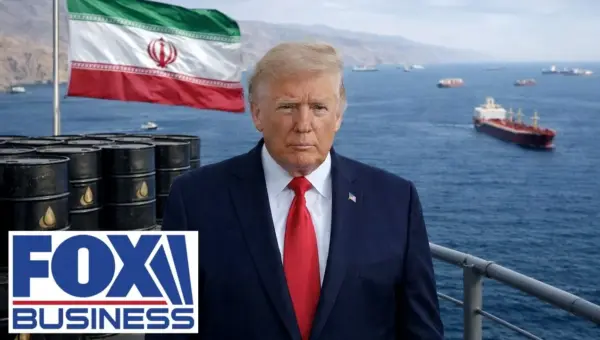
A report suggesting President Trump might end conflict without reopening the Strait of Hormuz is causing alarm. Experts warn this could lead to sustained high oil prices and disrupt global trade for essential goods like fertilizer and helium.
Airspace Closures Spark Trump Fears Amidst Global Tensions
Recent airspace closures by France and Italy reportedly caused significant anxiety for former President Donald Trump. This event highlights how international conflicts can disrupt travel and create widespread unease, affecting even high-profile figures.
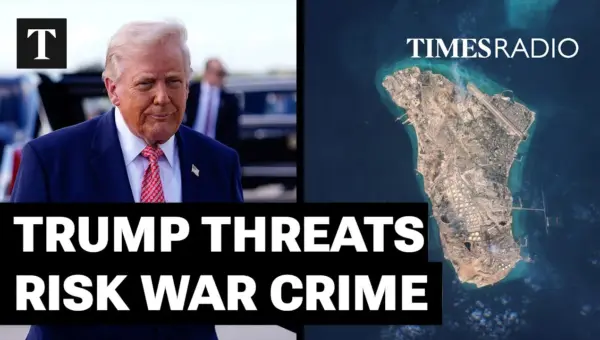
Trump’s War Crime Threat: Targeting Iran’s Water Plants
Former President Donald Trump's threats to target Iran's water desalination plants are drawing sharp criticism from legal and military experts, who warn of potential war crimes. While U.S. forces have degraded Iran's military, a clear path to victory remains uncertain, highlighting the need for diplomacy alongside continued military pressure.