Ewoks Win Merchandise Battle Over Jar Jar Binks
The Ewoks have officially "won" the debate against Jar Jar Binks, not on screen, but in the crucial market of merchandise sales. Their fuzzy charm clearly translated into more toys and products, highlighting a key aspect of character success in major franchises.

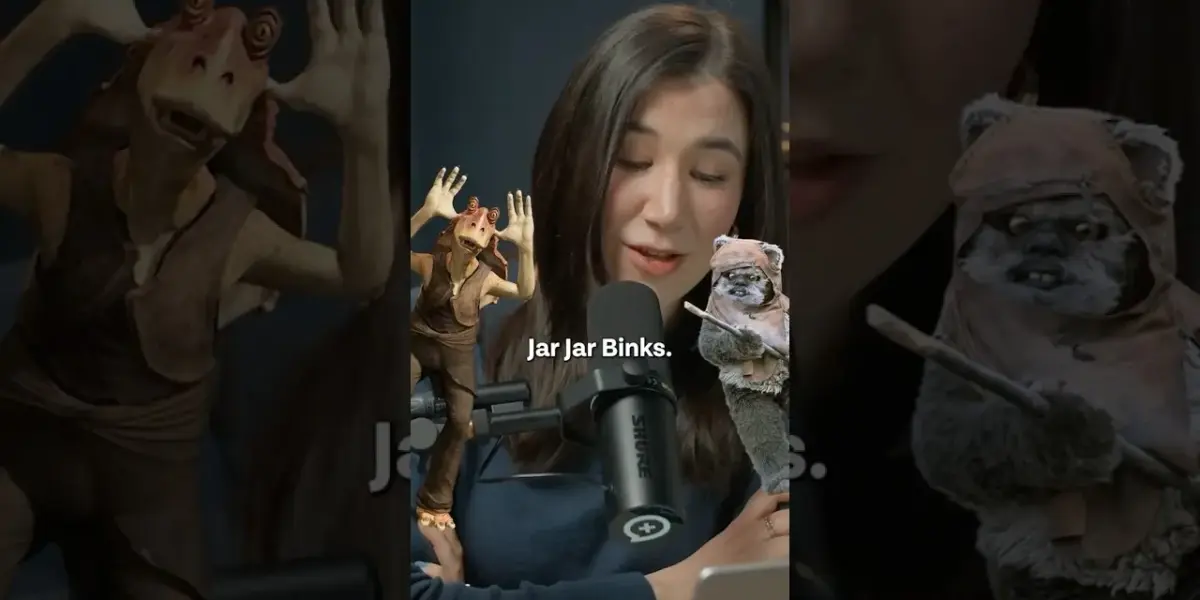
Ewoks Dominate Jar Jar Binks in Merchandise Sales
In a surprising showdown of beloved (and sometimes debated) Star Wars characters, the fuzzy Ewoks from the Forest Moon of Endor have emerged victorious over the much-maligned Jar Jar Binks in the crucial arena of merchandise sales. This unofficial poll, emerging from a recent discussion about the franchise’s supporting cast, highlights a key difference in fan engagement and commercial appeal.
When asked to choose between the Ewoks and Jar Jar Binks as the superior supporting character, the consensus quickly leaned towards the small, furry inhabitants of Endor. The primary driver for this decision? The undeniable success of Ewok-themed toys and merchandise. It’s a clear indicator of which character resonated more with fans, translating directly into purchasing power.
Merchandise as a Measure of Success
The argument was straightforward: Ewoks likely sold more merchandise. This wasn’t just a casual observation; it was presented as a defining factor in their popularity. The implication is that a character’s ability to drive toy sales and other branded products is a significant measure of their success within a franchise like Star Wars. The Ewoks, with their distinct look and role in the triumphant conclusion of “Return of the Jedi,” proved to be a hit with children and collectors alike.
Jar Jar Binks, on the other hand, despite being a central character in the prequel trilogy, did not achieve the same level of commercial success through merchandise. While he had his share of toys and products, they did not reach the same cultural penetration or sales figures as those featuring the Ewoks. This difference in merchandise performance suggests a disconnect between Jar Jar’s on-screen presence and his appeal to the consumer market.
Character Design and Fan Reception
The discussion also touched upon the intentional design of characters to maximize their marketability. It was suggested that the Ewoks’ design was, in part, driven by the desire to create characters that would appeal to a younger audience and translate well into toys. This is a common strategy in entertainment, where characters are often crafted with commercial potential in mind from the outset.
Jar Jar Binks’s reception was notably different. Introduced as a comic relief character in “The Phantom Menace,” his on-screen antics were met with mixed reactions from audiences. While intended to be endearing, many viewers found him irritating, leading to a backlash that likely impacted the demand for his associated merchandise. This highlights how critical fan reception can be, even for characters designed with broad appeal.
Recent Fan Engagement with Star Wars
The conversation also briefly touched on recent viewing habits, with one participant mentioning watching the original Star Wars film, “A New Hope,” with children. This provides a small glimpse into how older, classic installments of the saga continue to be enjoyed and introduced to new generations. It also raises the question of which “first” Star Wars film is being referenced – the original 1977 release or the first film in the chronological story, “The Phantom Menace.” Regardless, the enduring appeal of the original trilogy remains a powerful force.
Market Impact
This informal comparison between the Ewoks and Jar Jar Binks offers a simple, yet effective, illustration of how character appeal translates into tangible commercial success. For franchise managers and toy manufacturers, understanding what makes a character resonate with consumers is paramount. The Ewoks’ triumph in the merchandise realm underscores the importance of design, narrative role, and overall fan reception in driving product sales. It’s a reminder that even in a galaxy far, far away, strong commercial performance is a key indicator of a character’s impact.
What Investors Should Know: While this discussion is lighthearted, it touches on a core principle in the entertainment industry: intellectual property (IP) monetization. Companies like Disney, which owns Lucasfilm, rely heavily on the merchandising of popular characters. The success of characters like the Ewoks, who consistently drive toy sales and themed products, contributes significantly to the overall profitability of the Star Wars brand. Conversely, characters like Jar Jar Binks, whose reception was lukewarm, represent a missed opportunity in this lucrative market.
The long-term implications suggest that while narrative quality is important, the ability of characters to connect with a broad audience and translate into successful merchandise lines is crucial for sustained financial success. Franchises that can consistently produce characters with strong merchandising potential are likely to see more stable revenue streams and higher valuations.
Source: Ewoks vs Jar Jar… This Got Heated 😅 (YouTube)

Related Articles
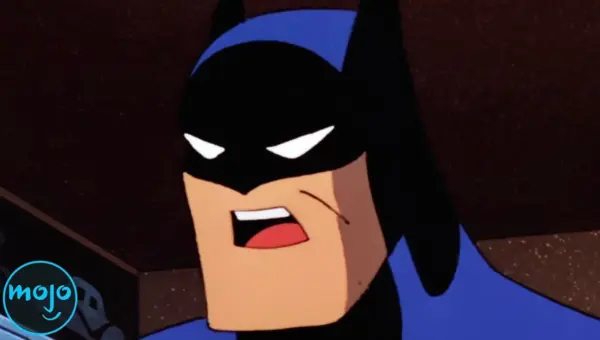
Animated Sequels That Outshined Their Origins
From Gotham City's gothic streets to the magical lands of Muppet Babies, some animated shows have soared beyond their original franchises. Discover the top animated series that redefined beloved universes and captured audiences worldwide.
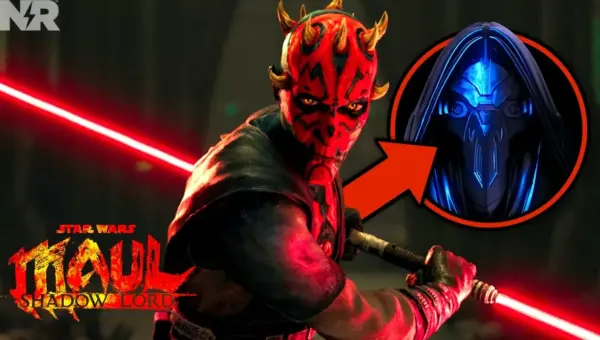
Maul’s Shadow Lord Unleashed: Dark Secrets Revealed!
The dark side looms large in Star Wars: Maul - Shadow Lord! The first two episodes reveal shocking connections, a daring heist, and Maul's quest for a new apprentice. Get ready for a deep dive into the criminal underworld and Maul's complex past.
Maul’s Reign: Top 10 Star Wars Moments Revealed!
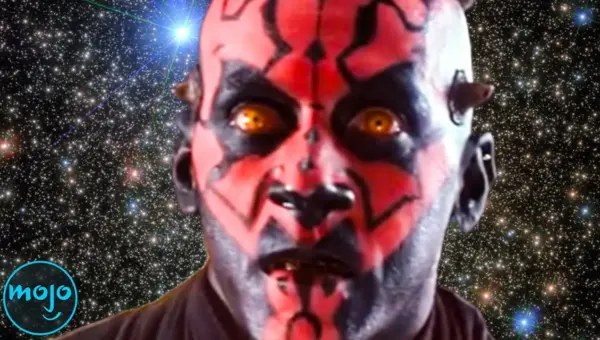
Darth Maul's journey in Star Wars is packed with unforgettable moments, from his resurrection and rise to power in The Clone Wars to his iconic double-bladed lightsaber debut. This list dives into his most thrilling duels and pivotal plot points, culminating in his final confrontation.