Europe’s Ungrateful Stance on US Trade Sparks Concern
Analysis reveals growing friction between European elites and the U.S. over trade and global leadership. Historical American support, from the Marshall Plan to defense budgets, is contrasted with current trade disputes, raising questions about European gratitude and future alliances. This geopolitical shift could impact global markets.

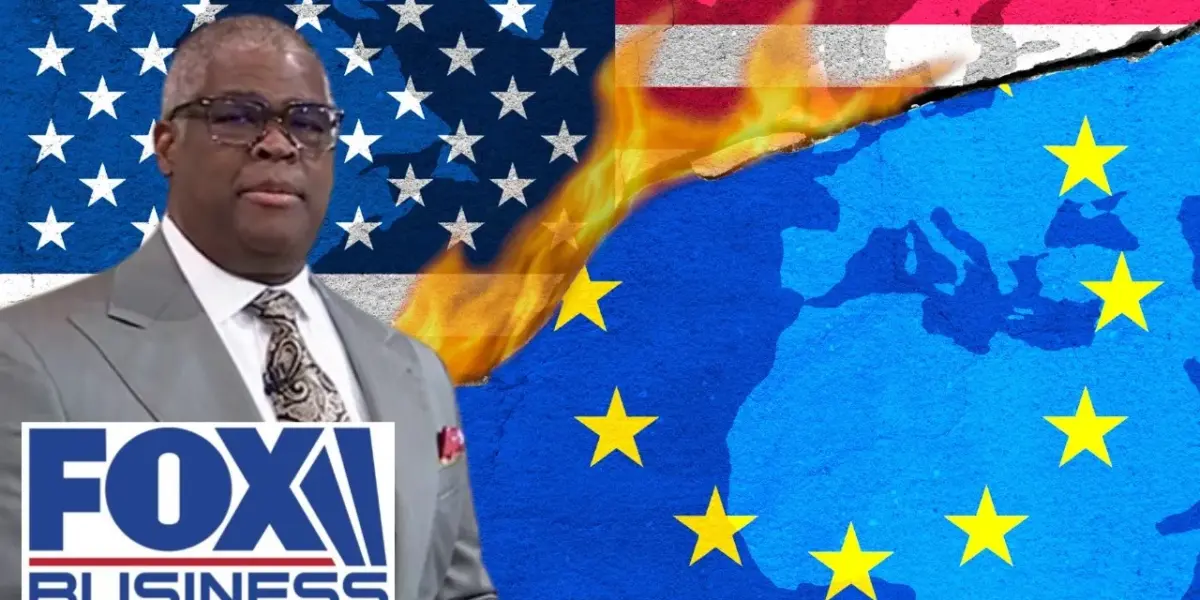
Europe’s Ungrateful Stance on US Trade Sparks Concern
Recent analysis suggests a growing disconnect between European elites and the United States, particularly concerning trade policies and international leadership. While the global economy has shown more resilience than feared, a critical look at international relations reveals a troubling pattern of what some describe as European ungratefulness towards American contributions. This sentiment appears to stem from differing views on trade, defense, and global stability.
Trade Disputes and Retaliation
Historically, former President Trump’s approach to trade involved imposing higher tariffs and duties. While intended to protect American industries, these actions often led to retaliatory measures from other nations. This strategy aimed to address what was perceived as unfair trade arrangements where other countries were seen as taking advantage of the U.S. The goal was to level the playing field for American producers and factories. However, the fallout from these trade disputes has created friction, with some European leaders criticizing the U.S. for its aggressive stance.
Shifting Global Leadership and European Challenges
Beyond tariffs, a deeper concern is the perception that the U.S. may be losing its footing as a credible global leader. This narrative is fueled by various factors, including domestic political shifts and evolving international priorities. Meanwhile, Europe faces its own set of significant challenges. These include managing open borders, dealing with large-scale, unmanaged migration, and increasing welfare payments, all while grappling with sky-high taxes.
The Marshall Plan and Defense Burdens
A key point of contention is the historical context of American support for Europe. Following World War II, the Marshall Plan provided substantial aid to help rebuild European economies. Furthermore, for decades, the U.S. defense budget has borne a significant portion of the cost for the free world’s security. Taxpayers in America have funded these efforts, benefiting numerous nations across the globe. The argument is that these countries should show more gratitude and a stronger sense of partnership with the U.S.
Economic Relevance and Future Outlook
The economic relevance of European nations on the global stage is also a subject of discussion. Projections indicate a significant shift in the global economic hierarchy by 2050. Based on purchasing power parity, Germany and the United Kingdom are expected to fall out of the top ten economies. This potential decline raises questions about Europe’s future economic influence and its ability to maintain its current standing without strong alliances.
A Plea for Reciprocity
The current climate suggests a potential miscalculation by European leaders. If they choose to alienate the United States over trade disagreements or perceived protectionist policies, while also benefiting from U.S. security guarantees and economic support, they might regret such decisions. The article draws a historical parallel to past European conflicts, suggesting that unity and strong alliances, particularly with the U.S., have been crucial for survival and prosperity.
What Investors Should Know
The growing trade tensions and potential shifts in global leadership could impact international markets. Investors should monitor how these geopolitical dynamics affect trade flows, currency valuations, and the economic health of both the U.S. and European economies. A less stable international order or weakened alliances might introduce new risks and opportunities across various sectors and asset classes. Understanding the long-term implications of these evolving relationships is crucial for strategic investment planning.
Market Impact
Trade disputes can lead to increased costs for businesses and consumers, potentially dampening economic growth. Changes in global leadership can affect international agreements and market access. For investors, this means paying close attention to policy announcements, economic data from key regions, and the overall stability of global trade. The current friction between the U.S. and Europe highlights the importance of geopolitical risk in investment decisions.
Source: Charles Payne: I CANNOT get over how UNGRATEFUL these European elites are (YouTube)

Related Articles


US Pilot Feared Lost in Iran; Search Underway
The U.S. military is conducting a search operation inside Iran for an American pilot whose fighter jet may have been downed. Details are limited, with uncertainty over whether the plane was shot down or suffered mechanical failure. The operation highlights the complexities of rescue missions in hostile territory and occurs amid heightened regional tensions.

US Policy Shift Stuns Allies, Weakens Global Security
US policy shifts regarding Ukraine, the Strait of Hormuz, and NATO are raising concerns among allies and creating global instability. Critics point to a lack of strategic planning and diplomatic consultation, potentially emboldening adversaries and undermining international security.

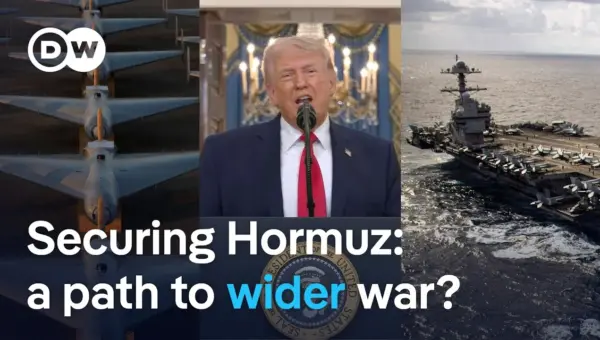
Strait of Hormuz Tensions Risk Wider Middle East War
Efforts to secure the vital Strait of Hormuz risk triggering a wider Middle East war, according to UN warnings and security analysts. The narrow waterway is crucial for global trade, and forcing it open against Iran's objections could escalate regional tensions dramatically. Experts highlight the complex geography, Iran's remaining military capabilities, and the involvement of regional players as key factors in the volatile situation.