Europe’s Stance Risks Global Stability, Analyst Warns
An analyst expresses concern over traditional European allies' slow response to geopolitical threats, warning it could destabilize global markets. The focus shifts to nations like Saudi Arabia and the UAE for security contributions, while Europe's energy vulnerability is highlighted. Market anxiety over potential recession and volatility is growing.

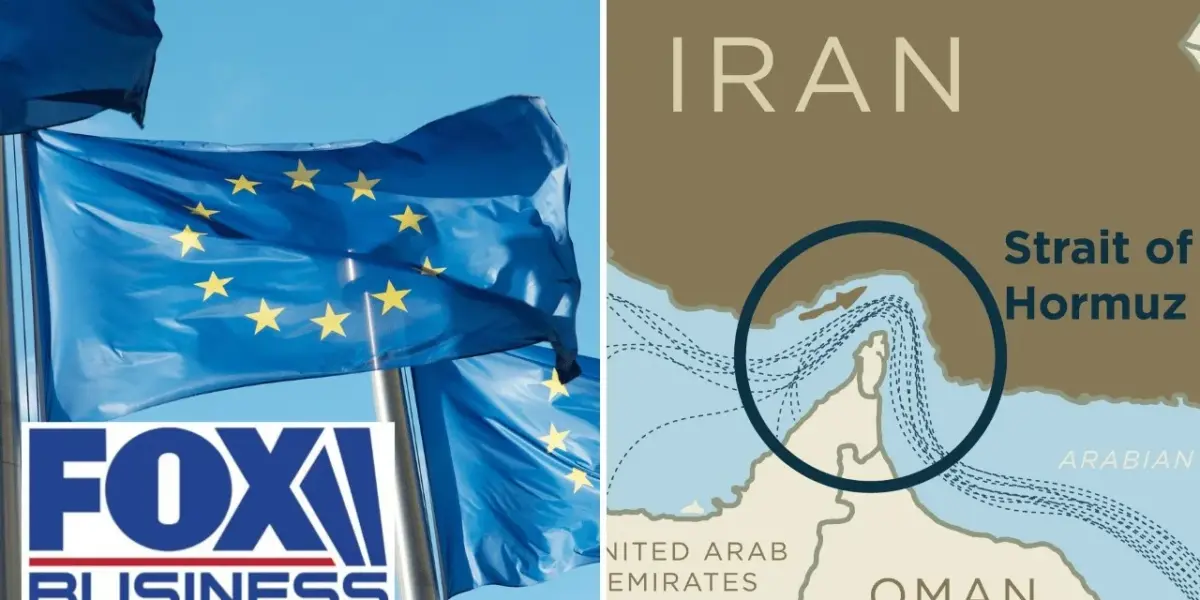
Old Europe Faces Scrutiny Over Geopolitical Response
Recent events have complicated the strategic mission timeline, raising questions about the effectiveness of international cooperation. While thousands of successful operations have been conducted, a single incident involving two pilots, though tragic, has introduced a wrinkle in the messaging of control. This event, while serious, is being viewed by some analysts as a relatively small part of a much larger operation aimed at degrading significant threats.
The core mission focuses on winding down military operations and addressing broader targets, many of which have been largely hit. While complete eradication of risk is impossible, the threat level is considered significantly degraded. The focus now shifts to presidential decisions regarding unilateral actions in the Persian Gulf and the willingness to allow other nations to step in.
Crucially, it is believed that traditional European allies, often referred to as “old Europe,” will play no meaningful role in finding a solution. This suggests that any significant progress will require a different approach, likely involving new alliances and decisive action rather than prolonged discussion.
Energy Vulnerability Highlights European Weakness
Europe’s energy situation presents a stark contrast to that of the United States. European nations are significantly more vulnerable to energy disruptions, making them more susceptible to external pressures. This vulnerability underscores a broader concern about their capacity to contribute effectively to regional security and stability.
The call for “allies with skin in the game” points towards nations like Saudi Arabia and the United Arab Emirates. These countries are seen as punching above their weight in terms of regional security and influence. They have been significant purchasers of U.S. military equipment and possess substantial capabilities, making them potential key partners in future security arrangements.
However, the reliance of global customers on stable energy supplies means that these nations must step up. The analyst expresses a lack of optimism regarding the ability of traditional European powers, such as France and the UK, to move beyond their current political perspectives. These nations are perceived as prioritizing process over action and outcomes, a stance that is seen as detrimental in the current geopolitical climate.
Geopolitical Tensions and Market Anxiety
The prospect of Iranian aggression towards neighbors is a grave concern, and the timeframe for resolution is a major worry for markets. Extended periods of tension can lead to significant economic damage, fueling fears of a global recession and hindering growth. The longer these situations persist, the greater the potential for widespread economic fallout.
While predicting market movements is complex, a lack of strategic patience is often observed. In large-scale geopolitical engagements, seeing a plan through is essential. This can lead to near-term anxiety and market volatility. The current administration appears to have a timetable for action, with expectations for meaningful steps to degrade threats and ensure security within weeks.
If European allies are too slow to act, the U.S. and its willing partners will need to proceed. Japan is mentioned as a potential partner that could step in and provide assistance. The situation also involves other significant players like India, which is a major customer in the energy market. It is important for the U.S. to recognize that even if it does not directly purchase energy from certain regions, it is still affected by global energy market dynamics and has a national interest in their normalization.
Broader Economic Implications Beyond Oil
The challenges extend beyond oil prices, impacting other critical commodities such as fertilizer and helium. The facility with which these resources can be accessed and supplied is becoming increasingly problematic, highlighting the interconnectedness of global supply chains and geopolitical stability.
The current situation underscores the need for swift and decisive action, particularly from allies who are capable and willing to contribute. The risk of economic disruption and the potential for a global recession necessitate a proactive approach. The analyst’s assessment suggests that relying on traditional European partners may not yield the desired results, pointing towards a need for a re-evaluation of alliances and strategic priorities.
Market Impact
The geopolitical tensions and potential for conflict are creating uncertainty in global markets. Investors are closely watching developments, particularly regarding energy supplies and the potential for economic slowdowns. The prolonged nature of these issues could lead to increased volatility across various asset classes.
Concerns about a global recession are rising, which could impact corporate earnings and stock market performance. The energy sector, in particular, remains a key focus, with supply disruptions potentially leading to price spikes. Countries heavily reliant on energy imports are more vulnerable to economic shocks.
What Investors Should Know
- Geopolitical Risk Premium: Investors should be aware of the increasing geopolitical risk premium affecting markets. This means that global events can have a larger and faster impact on asset prices than usual.
- Energy Market Volatility: The energy market is likely to remain volatile due to supply concerns and geopolitical factors. This can affect inflation and consumer spending.
- Global Growth Outlook: Fears of a global recession could lead to a more cautious investment environment. Investors may shift towards more defensive assets.
- Shifting Alliances: The emphasis on new alliances and the potential sidelining of traditional partners could reshape global economic and security landscapes.
Source: Expert NOT OPTIMISTIC that 'old Europe' can get past this (YouTube)

Related Articles

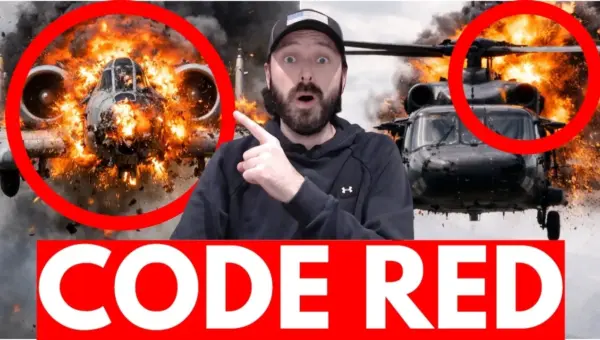
Iran Downs U.S. Jets, Strikes Helicopters in Escalating Conflict
Iran has shot down two U.S. jets and struck multiple helicopters during rescue operations, leading to U.S. retaliatory strikes. The status of a missing U.S. airman remains unknown amidst escalating conflict.
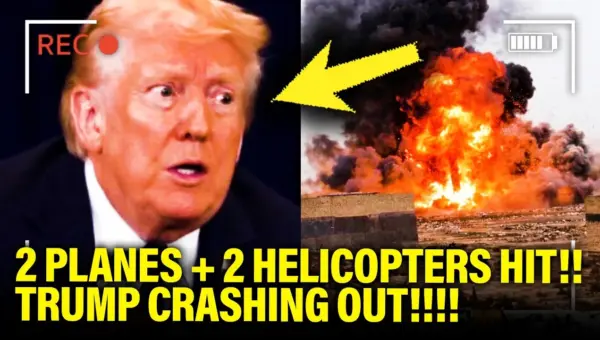
Iran Shoots Down US Aircraft Amidst Escalating Tensions
Multiple US aircraft, including fighter jets and helicopters, have reportedly been hit by Iran, challenging claims of air superiority. This escalation occurs amidst a diplomatic stalemate and intense rhetoric, raising serious questions about transparency and the path forward in US-Iran relations.

Iran War: Killing Leaders Won’t Topple Regime, Experts Warn
Experts warn that eliminating Iran's leaders may not be enough to topple the regime, suggesting a more complex strategy is needed. The ongoing conflict raises concerns about a prolonged, cyclical war rather than a decisive victory, especially with upcoming elections influencing political timelines.