Europe’s Hidden Gems Dazzle American Viewer
An American viewer's reaction to Europe's most beautiful places reveals a profound sense of wonder at Vienna's imperial grandeur, the Faroe Islands' alien landscapes, and Hallstatt's fairytale charm. The video highlights stark contrasts with American experiences of history and nature, sparking interest in unique, less-developed destinations.

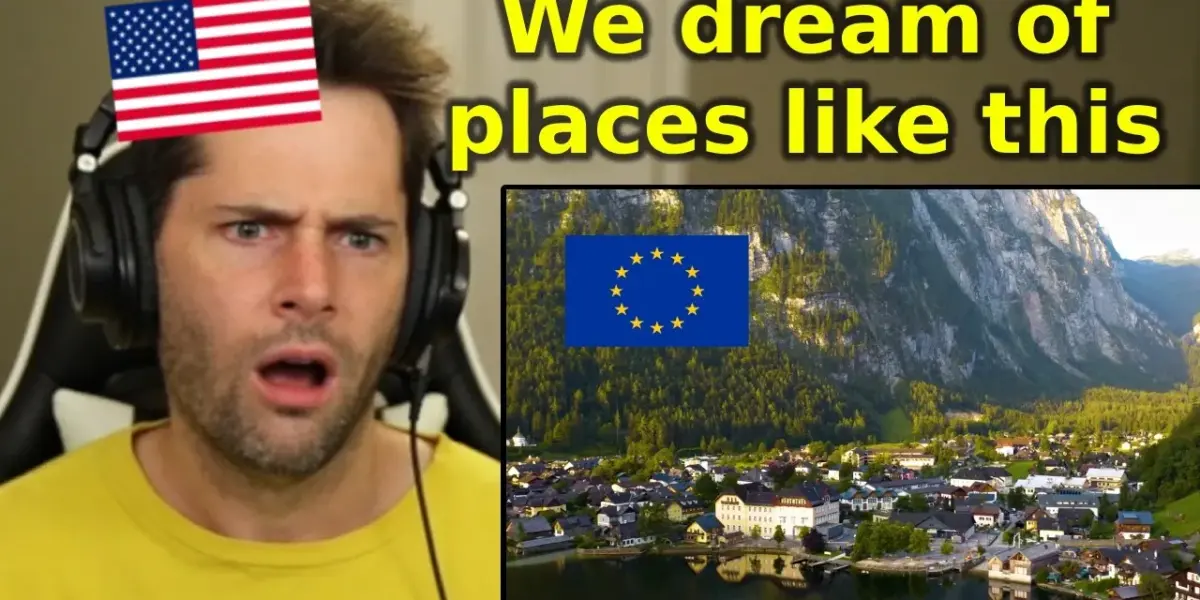
Europe’s Hidden Gems Dazzle American Viewer
A recent YouTube video, where an American reacts to Europe’s most beautiful places, highlights a striking contrast between American and European perceptions of history and natural beauty. The video shows a viewer encountering places like Vienna, the Faroe Islands, and Hallstatt for the first time, revealing a sense of wonder and surprise that underscores how different these destinations are from what many Americans experience daily. This reaction offers a unique window into how we see the world and what we value as extraordinary.
Vienna: A Living History Book
The reaction begins with Vienna, Austria, a city the viewer recognizes from a Billy Joel song but has never seen. The sheer scale of imperial palaces, described as occupying entire neighborhoods, shocks the viewer. “Are you kidding me? Is this normal in Vienna?” they exclaim. This reaction points to a key difference: in the US, historical landmarks are often isolated attractions, while in Vienna, they seem to be an integrated part of the city’s fabric. The viewer notes that even a single statue in the US would be a major draw, but in Vienna, such grandeur appears commonplace.
The video also touches on Vienna’s rich cultural heritage, mentioning Mozart and Beethoven and historic cafes that are still hubs of city life. The viewer is surprised to learn about the city’s strong cafe culture, contrasting it with the overwhelming architectural beauty. The UNESCO World Heritage status of the historic center further emphasizes its significance. The viewer struggles to comprehend how such historical richness is simply part of everyday life for residents. “It’s hard to wrap my head around that,” they say, “like for a lot of these people in the video, like walking around, this is just like perhaps what they’re used to.” This highlights a common American perspective where historical sites are often preserved and set apart, rather than being lived in and experienced as part of a modern city.
Faroe Islands: A World Apart
The next stop is the Faroe Islands, a Danish territory in the North Atlantic. The viewer’s reaction shifts from amazement at architecture to awe at a dramatic natural landscape. “What? What is this? Is this another planet?” they ask. The sheer cliffs, over 600 meters high, and the absence of trees create a stark, almost alien environment. “This looks like science fiction to me,” the viewer remarks, emphasizing how unlike anything they’ve seen on Earth it appears.
The video shows villages clinging to coasts, offering shelter from storms. The viewer wonders about the lifestyle of the roughly 50,000 inhabitants, who live in colorful houses with grass roofs, a tradition dating back to Viking times. The idea of living in such a remote, weather-beaten place, so different from the continental US, sparks curiosity about the local way of life. The waterfalls cascading directly into the sea and mountains often hidden by clouds add to the otherworldly feel. This part of the reaction underscores a fascination with places that feel untouched by modern, widespread development and offer a unique, isolated existence.
Hallstatt: A Fairytale Village
Returning to Austria, the video features Hallstatt, a village nestled between a mountain and a lake. The viewer immediately likens it to a fairytale. “This is like the stories that were read as children, like fairy tales,” they say. The village’s colorful houses are built on steep slopes, accessed by staircases and passages, creating an almost vertical living space. The integration of nature, with trees and forests surrounding the dwellings, deeply impresses the viewer.
Hallstatt’s architecture, clinging to the rock and overlooking clear waters, is described as impossible to inhabit by conventional standards. The narrow alleys, where only two people can pass at a time, and the reliance on boats for transport add to its unique charm. The viewer questions if this is what people imagine when they picture paradise. The fact that such a place exists in Austria, a country the viewer previously knew little about, further broadens their appreciation for Europe’s diversity. The combination of natural beauty and intricate, historical architecture leaves a lasting impression.
Why This Matters
This American’s reaction to these European locations offers valuable insights. Firstly, it highlights a significant difference in how history is preserved and experienced. In the US, historical sites are often viewed as separate monuments, while in Europe, they are frequently integrated into the daily lives of communities. This can lead Americans to perceive European cities as living museums in a way that might not be true for European residents.
Secondly, the awe inspired by the Faroe Islands and Hallstatt points to a desire for unique, dramatic, and less-developed natural and built environments. These places represent a stark contrast to the often sprawling, modern landscapes common in the United States. The viewer’s surprise at their existence suggests a potential underestimation of the sheer diversity of human settlements and natural wonders beyond familiar territories.
Implications and Future Outlook
The video’s popularity and the viewer’s enthusiastic reaction suggest a growing American interest in exploring Europe beyond the typical tourist hotspots. There’s a clear appetite for discovering places that offer distinct historical narratives, unique architectural styles, and breathtaking natural beauty. This could influence future travel trends, encouraging more people to seek out off-the-beaten-path destinations.
For European destinations, this kind of reaction underscores the importance of preserving their unique heritage, both built and natural. It shows that these features are not just local curiosities but can be powerful draws for international visitors seeking authentic and awe-inspiring experiences. The challenge for these places will be managing tourism to maintain their charm and livability.
Historical Context
The historical context of these locations is crucial to understanding the viewer’s reaction. Vienna’s imperial past shaped its grand architecture, a legacy of the Habsburg Empire. The Faroe Islands’ isolation and Viking roots explain their unique culture and landscape. Hallstatt’s centuries-old existence as a lakeside village, dictated by its geography, has preserved its distinctive character. These places are not just beautiful; they are deeply rooted in long histories that have shaped their present form, a stark contrast to the relatively younger history of the United States.
The American perspective often compares these ancient settings to a US where rapid development and a shorter recorded history mean that historical preservation often takes a different form. While the US has its own rich history and natural beauty, the sheer age and continuity of European cities and landscapes, as showcased in this video, create a different kind of impact for many American observers.
Ultimately, this reaction video serves as a reminder that beauty and history are perceived differently across cultures. It celebrates the extraordinary diversity of Europe and sparks a desire to explore more, encouraging a deeper appreciation for the world’s varied landscapes and historical tapestries.
Source: American Reacts to 100 Most Beautiful Places in Europe | #2 (YouTube)

Related Articles

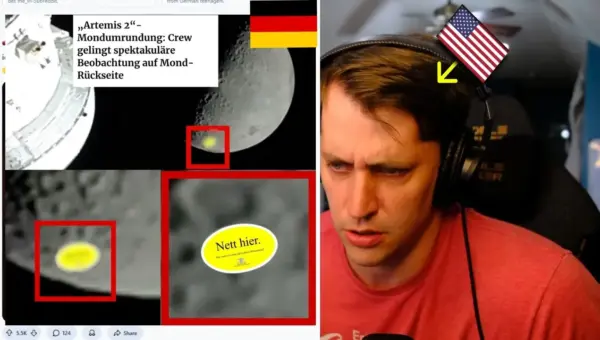
German Humor Baffles Americans: A Culture Clash
German memes, often filled with specific cultural references and wordplay, leave an American creator utterly baffled. This humorous confusion reveals deep cultural divides in humor and everyday life. The video explores everything from oil price jokes and political commentary to the death of custom ringtones and the anxieties of modern smartphone use. It highlights how AI is now capable of understanding complex, culturally specific humor, raising questions about the future of content creation.


Americans’ Worldview Exposed: Are We Truly Ignorant?
Online discussions reveal a surprising lack of global awareness among some Americans, from basic geography to cultural norms. This disconnect highlights the need for broader perspectives in an interconnected world.


Europe’s Wild Easter Traditions Shock American Viewers
An American observer was stunned by diverse European Easter traditions, from rolling real eggs and burning effigies to rocket wars and witch dress-ups. These customs reveal deep historical and cultural differences compared to familiar American celebrations.