Europe’s Energy Shock: War Exposes Grid Vulnerabilities
Europe has significantly reduced its reliance on Russian gas since 2022, diversifying supply and boosting renewables. Despite improvements, global price shocks and lower storage levels highlight ongoing vulnerabilities, especially as winter approaches. National energy mixes, from Italy's gas dependence to France's nuclear power, show uneven resilience across the continent.

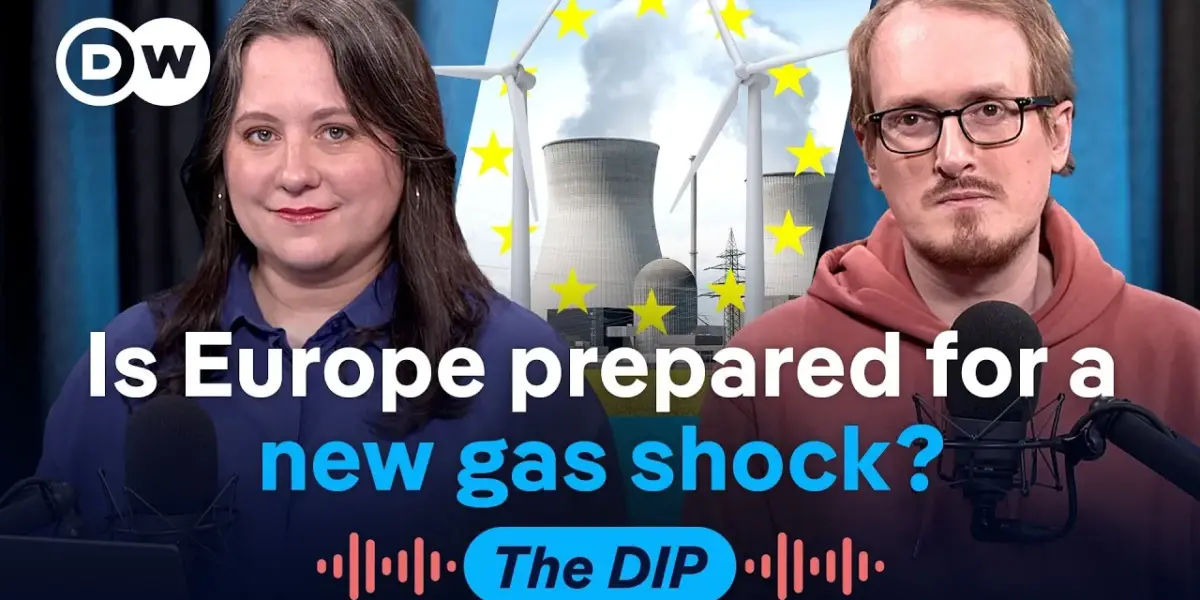
Europe Faces Energy Price Jitters Amid Global Instability
Recent global events, particularly those impacting energy markets, have once again sent oil and gas prices climbing. While European officials state there is no immediate supply shortage, the continent’s economy remains vulnerable to shocks. This raises a critical question: has Europe truly strengthened its energy security since the war in Ukraine began, or is it still too exposed when global markets become volatile?
Europe’s Shifting Energy Landscape: Less Russian Gas, More Diversification
When considering Europe’s energy security, the focus largely remains on natural gas. Comparing the current situation to the invasion of Ukraine in 2022, Europe is in a significantly better position. Five years ago, the continent relied on Russian pipeline gas for about 40% of its domestic demand. Today, that reliance has plummeted to roughly 6%. This dramatic reduction is a testament to Europe’s efforts to diversify its energy sources and reduce overall consumption.
Renewables Surge, Reducing Fossil Fuel Dependence
The concept of energy independence often means being self-sufficient with less reliance on imported fossil fuels. By this definition, Europe is less dependent on fossil fuels today. In the power sector alone, renewable sources like solar and wind now account for about 40% of power generation, a notable increase from around 25% five years ago. This growth in cheaper renewable energy directly lowers the need for gas and imported fuels in electricity production. This positive trend extends to other sectors as well. Gas demand in industries across Europe has fallen by approximately 30% compared to the past five-year average, indicating a structural decline in overall gas consumption.
Policy Drives Change: Repower EU’s Impact
These significant shifts are partly driven by policy. The “Repower EU” initiative, launched in 2022, specifically aimed at diversifying energy supplies and reducing gas reliance across various sectors. This policy support has been a key factor in Europe’s improved energy standing.
Resilience Tested: Storage Levels and Refill Risks
Despite these improvements, Brussels has acknowledged that while there’s no immediate supply emergency, energy storage levels are lower than a year ago, and the risks of refilling them are rising. The true test of Europe’s resilience depends on how long any current energy price crisis might last. As spring arrives, Europe typically relies least on gas. Lower power demand due to warmer weather and reduced heating needs coincides with increased renewable energy generation from longer daylight hours. This balance typically loosens the power market dynamics, positioning Europe to manage short-term challenges through the spring and summer.
Winter Worries: Lingering Gas Dependence
However, concerns remain for the longer term. If the current situation extends into the cooling season of midsummer and then into winter, Europe’s continued reliance on gas for certain sectors, including power generation, becomes a significant consideration. The timeline of any potential crisis is therefore crucial.
Uneven Impact: How Different Nations Fare
Not all European countries are affected equally. Nations heavily reliant on gas for power generation or industrial use face greater challenges. Italy, for example, is particularly exposed. It depends on gas for nearly 40-50% of its annual power generation and relies more on Liquefied Natural Gas (LNG). Consequently, Italy’s power prices are more reactive to market fluctuations, having risen sharply in recent weeks.
Renewable Havens and Nuclear Cushions
At the other end of the spectrum, countries like Spain and France are less impacted. Spain has seen rapid growth in solar power deployment, significantly reducing its gas dependence. Its energy mix is now largely dominated by renewables, though it still relies on gas during winter. France benefits from a substantial nuclear fleet, which helps cushion its demand for gas. Germany and Great Britain fall somewhere in between.
Germany’s Coal Comeback and Britain’s Transition
Germany presents an interesting case. It has utilized its coal power plants to absorb some of the shock from high gas prices. Despite legislation and economic factors pushing towards coal plant closures due to high carbon prices, the surge in gas prices has made coal power plants economically viable again, leading to increased operation. Great Britain, however, has taken a different path, having shut down its last coal plant a couple of years ago. Its energy mix relies on renewables and gas, making it more sensitive to gas price volatility.
Infrastructure Challenges: Interconnectors and Grid Capacity
While the theory of an integrated European power market suggests that surplus energy from one region could flow to another, practical limitations exist. Interconnector bottlenecks and constraints restrict the amount of power that can be exported or imported between regions. The capacity of these connections is not always sufficient to fully equalize prices across markets. Furthermore, scaling up renewable energy requires a parallel expansion of grid infrastructure to handle the increased energy flow. Significant investments are being made in both grid development and the clean energy sector, indicating progress in the right direction.
The Nuclear Question: Extensions and Small Modular Reactors
Nuclear energy remains a topic of discussion, particularly in Germany, which has phased out its nuclear power. While there are many announcements regarding Small Modular Reactors (SMRs) and modular nuclear technology, no commercially viable projects have been approved in Europe yet. The current trend in nuclear power involves extending the lifespan of existing plants. For instance, Belgian reactors have received 10-year extensions, and Spain is considering similar measures for its Almaraz plant. The focus is largely on extending the operational life of current facilities rather than building new traditional nuclear power plants.
Looking Ahead: Continued Vigilance Needed
Europe has made strides in reducing its reliance on Russian gas and increasing renewable energy. However, global energy price volatility, coupled with infrastructure limitations and the ongoing need for gas in certain sectors, means the continent must remain vigilant. The coming winter will be a key indicator of Europe’s true energy resilience as it navigates a complex global energy landscape.
Source: How the Iran war exposes Europe's vulnerability to global energy prices (YouTube)

Related Articles
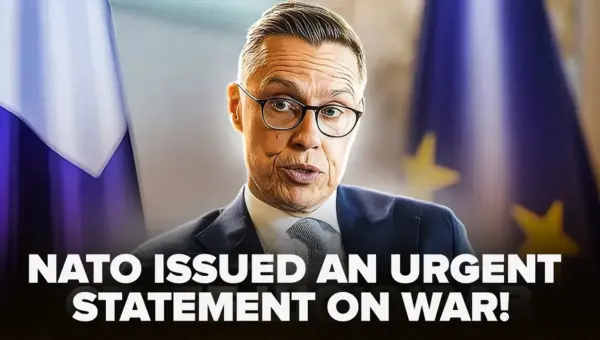
Ukraine Strikes Russian Oil Refinery, Eyes Iran Threat
Ukrainian forces struck a key Russian oil refinery, disrupting Moscow's war capabilities. Meanwhile, Finland's president urged continued U.S. support for Ukraine, as Kyiv shares its air defense expertise globally amid growing geopolitical complexities involving Iran and potential sanctions against Hungary.
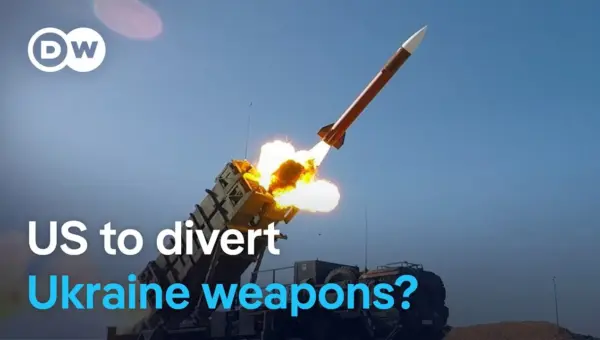
US Weighs Shifting Ukraine Weapons to Iran Amid Missile Shortage
The U.S. is reportedly considering diverting weapons destined for Ukraine to support operations against Iran, driven by rapidly depleted missile stocks. This potential shift raises concerns about Ukraine's defense capabilities and highlights the complex interplay between global conflicts.
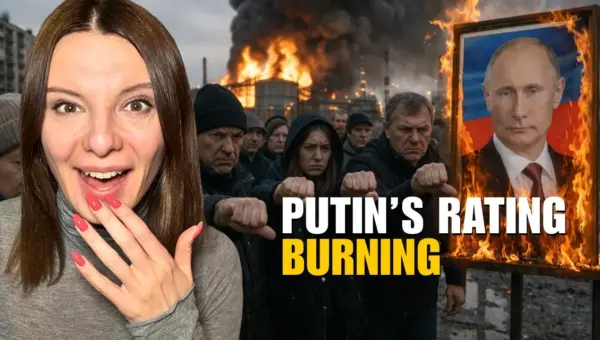
Ukraine Strikes Cripple Russian Oil Exports
Ukrainian drone strikes are crippling Russia's oil exports and damaging its economy, leading to falling domestic support for President Putin. The targeted attacks on refineries and terminals aim to cut off war funding and have significant geopolitical consequences.