Europe Weighs Strait of Hormuz Response Amid US Pressure
EU foreign ministers have decided against expanding their naval mission's mandate to the Strait of Hormuz, opting to bolster existing Red Sea operations instead. This comes as U.S. President Trump pressures NATO allies to secure the vital shipping lane, while Europe grapples with stretched military resources impacting aid to Ukraine.

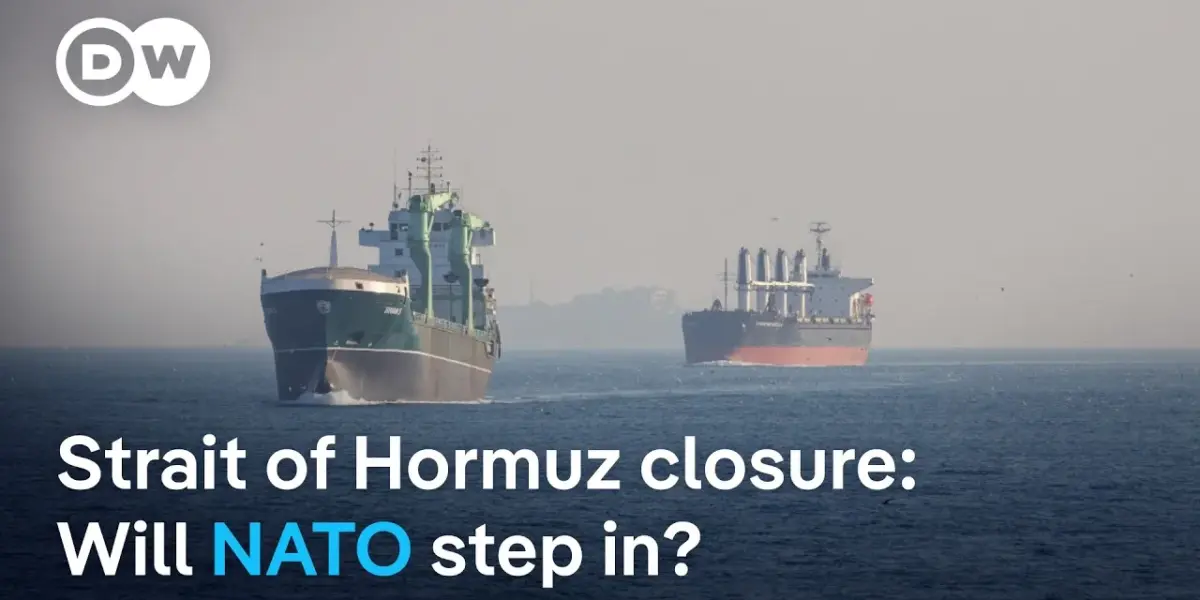
EU Navigates Hormuz Dilemma Amid US Demands
European Union foreign ministers have convened to discuss Europe’s potential role in securing the vital Strait of Hormuz, a critical chokepoint for global energy supplies, following escalating tensions and direct appeals from U.S. President Donald Trump. The discussions come as Iran has reportedly blocked the key shipping route in retaliation for attacks attributed to the U.S. and Israel, threatening approximately one-fifth of the world’s oil and liquefied natural gas (LNG) trade.
Operation Aspidis: Existing Mission, Limited Mandate
Despite the urgency of the situation, EU foreign ministers have decided against expanding the mandate of the existing EU naval mission in the region, Operation Aspidis. While ministers expressed an interest in reinforcing the mission, which currently protects ships in the Red Sea from Houthi rebel attacks, they have opted not to redeploy its operations to the Strait of Hormuz. EU foreign policy chief Kaja Kallas stated that the mission would not be changed, indicating that while some member states might send additional ships to bolster the current four vessels, the core objective remains focused on the Red Sea, not the Strait.
“What was decided is that they won’t do anything at the moment in terms of the EU naval mission, which is already there in the region. … they may send more ships, maybe some members will send more ships to enhance the four that are already there, but they don’t intend on moving operations to the strait of Hormuz.”
Trump’s NATO Ultimatum and European Reservations
U.S. President Donald Trump has issued a stark warning to NATO, suggesting the alliance faces a “very bad future” if it does not actively participate in securing the Strait of Hormuz. He specifically called upon China, France, Japan, South Korea, and the UK, among others, to deploy naval assets to the strait. However, European allies appear hesitant to align with Trump’s demands. Germany has explicitly rejected the call for NATO involvement, and the UK has also stated that any mission would not be a NATO operation. These reservations, coupled with the requirement for consensus within NATO, suggest that any formal request from the U.S. for a NATO-led mission is likely to face significant opposition and may be “dead on arrival.”
Despite these rejections, U.S. pressure is expected to continue. President Trump has indicated he expects greater enthusiasm from allies, highlighting the U.S. contributions to the security of several nations. While a formal request has not yet been made, a forthcoming NATO meeting to discuss the Middle East situation could see further attempts to rally support.
Stretched Military Resources: Ukraine’s Growing Concerns
The escalating geopolitical tensions in the Middle East are exacerbating concerns within Europe about the strain on military resources, particularly in the context of the ongoing war in Ukraine. Reports indicate that the deployment of air defense systems and other critical assets to the Middle East is diverting resources that could otherwise be supplied to Ukraine. Europe is already facing challenges in meeting Ukraine’s demands due to existing arsenal limitations, and the U.S. redirection of military supplies, especially air defense interceptors and missiles, to its own operations in the region further diminishes the availability of crucial equipment for Kyiv.
This situation places Ukraine in a precarious position, potentially facing even fewer weapons and resources than before. Notably, Ukraine, which possesses significant expertise in drone interception, has offered its know-how to assist in the Middle East, an offer that has yet to be formally accepted by the U.S. President Zelenskyy’s diplomatic efforts to secure continued support are ongoing, but the diversion of military aid due to U.S. engagement in the Middle East conflict is a significant cause for worry.
Looking Ahead: Navigating a Complex Geopolitical Landscape
As diplomatic discussions continue, the international community faces the complex challenge of ensuring freedom of navigation in the Strait of Hormuz without escalating regional conflicts or depleting vital military resources needed elsewhere. The coming weeks will be crucial in observing whether diplomatic efforts can de-escalate tensions in the Strait, how European nations will collectively respond to U.S. pressure, and what impact these geopolitical maneuvers will have on the ongoing support for Ukraine.
Source: What can Europe do to reopen the Strait of Hormuz? | DW News (YouTube)

Related Articles

Stocks Ignore War Risks, Focus on “Taco Moments”
Stock markets appear to be overlooking the severe supply chain risks stemming from the Iran conflict, focusing instead on potential diplomatic de-escalations. While the S&P 500 shows resilience, bond and commodity markets signal deep concern over disruptions to critical resources like LNG, helium, and fertilizers.

U.S. Iran Tensions Rise Amid Shifting Alliances
Rising tensions between the U.S. and Iran are creating a volatile geopolitical situation. With conflicting signals on de-escalation and potential shifts in alliances like NATO and U.S.-Israel relations, the path forward remains uncertain. The global economy and regional stability hang in the balance.


Iran Targets US With Cyberattacks, Escalating Digital Warfare
Iran is increasingly using cyberattacks to challenge the U.S., as seen in a recent hack of the FBI director's account. Experts say this is a strategic shift due to Iran's limitations in conventional warfare. The U.S. needs to strengthen its digital defenses, focusing on encryption and cloud computing, rather than solely relying on traditional security measures.