Europe Visits Bucha, Pledges Solidarity Amid Aid Concerns
European officials visited Bucha to commemorate the massacre of civilians by Russian forces, vowing solidarity and demanding accountability. Despite symbolic gestures, concrete new aid was not announced, with Hungary's blockage of a major EU package remaining a key issue. Ukraine fears losing global attention to other conflicts, highlighting the ongoing need for justice and support.

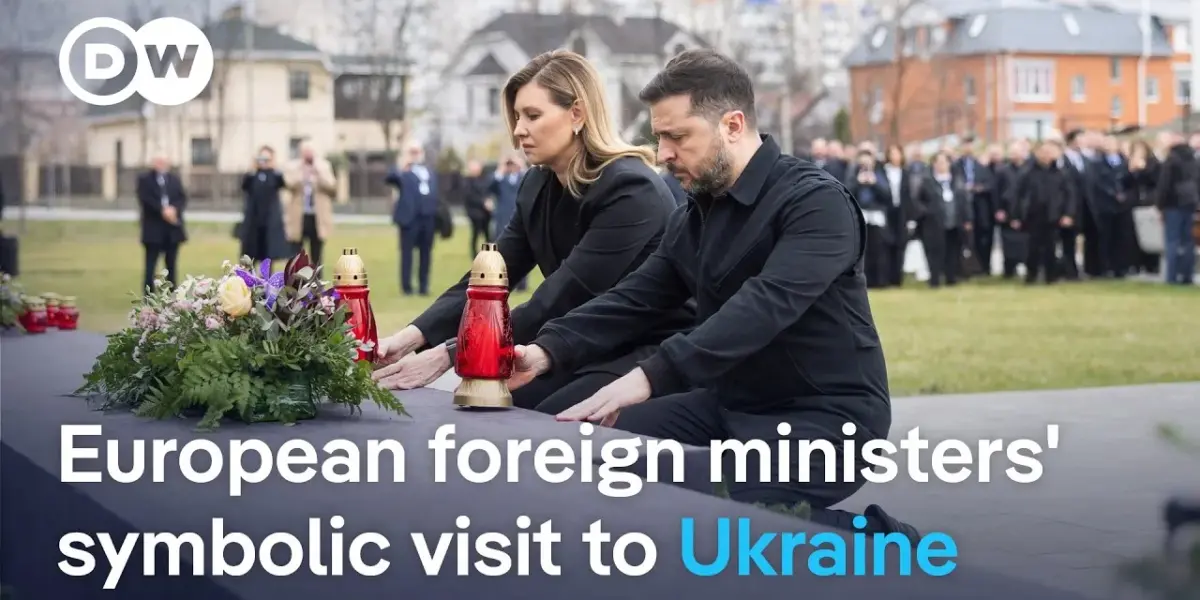
Europe Commemorates Bucha Massacre, Urges Justice
European officials, including the EU’s top diplomat Josep Borrell and Ukraine’s Foreign Minister Dmytro Kuleba, visited Bucha, Ukraine, to mark four years since the city’s liberation from Russian forces. The visit aimed to show solidarity with Ukraine and emphasize the critical need for accountability for alleged war crimes committed during the initial weeks of Russia’s full-scale invasion. In Bucha, Russian troops are accused of killing hundreds of civilians, with many found showing signs of torture and mutilation. Despite Moscow’s denials, these atrocities have become a stark symbol of the war’s brutality.
A Symbol of Russian Brutality
When Ukrainian forces retook Bucha, they discovered over 400 bodies. Many bore evidence of extreme violence, leading to widespread accusations of Russian war crimes, further supported by United Nations findings. German Foreign Minister Annalena Baerbock described Bucha as “an open wound on the soul of Ukraine and Europe.” Borrell stressed the importance of keeping Ukraine on the international agenda, especially with ongoing conflict in the Middle East. He stated, “This is happening here and now. This is part of Europe, and that’s why it’s also Europe’s concern that this war will end with just and lasting peace.” The visit served as a clear signal that the European Union remains committed to supporting Ukraine, even as peace talks remain stalled.
Symbolism Over Substance?
Despite the strong symbolic gestures, the European delegation arrived in Ukraine without concrete new financial commitments. A major obstacle remains Hungary’s blockage of a crucial 90 billion euro EU aid package for Ukraine. DW correspondent Jan-Philipp Scholz reported from Kyiv that while the presence of over ten ministers and high-ranking EU officials is a significant statement of support, it is primarily a symbolic visit. The trip aimed to ensure Ukraine stays in the headlines, a concern shared by many in Ukraine who fear losing international attention to events in the Middle East.
Fears of Shifting Global Focus
There is a palpable fear in Ukraine that global attention, particularly from the United States, might shift away from their conflict due to events elsewhere. This concern is not just about waning interest but also about a potential reduction in vital military aid, especially ammunition for air defense systems. Such a reduction could severely impact Ukraine’s ability to defend itself. Ukraine had hoped for progress on peace talks, which have been led by the U.S. However, these talks have largely stalled, with Russia continuing to claim territories in eastern Ukraine. Recent misunderstandings between Ukraine and the U.S. regarding future security guarantees and territorial concessions have further complicated the situation.
The ‘Accountability Gap’ and a Special Tribunal
Alexandra Matviichuk, a human rights lawyer and head of Ukraine’s Center for Civil Liberties, which received the Nobel Peace Prize in 2022, highlighted a significant “accountability gap.” She explained that the sheer volume of documented crimes—including murder, rape, and torture used as tools of warfare by Russian soldiers—overwhelms Ukraine’s national investigation systems. Furthermore, there is no international court with the jurisdiction to prosecute Russian leadership for the crime of aggression. Matviichuk expressed hope for a special tribunal being established by the Council of Europe to address this gap, calling it a “revolutionary decision.” However, she noted the slow progress, with only five countries having joined the tribunal so far, urging Germany and other nations to commit.
“We face with accountability gap which have several dimension. Uh the first is connected with enormous amount of crimes… It’s difficult to investigate such huge amount of crimes during the war even for the best national system in the world. Ukraine has hasn’t the best national system in the world. We need international support to do it.”
– Alexandra Matviichuk, Center for Civil Liberties
Defining Justice for Survivors
Matviichuk described the diverse needs of survivors seeking justice. For some, justice means seeing perpetrators imprisoned. For others, it involves receiving compensation for damages. Many simply desire to know the truth about what happened to their loved ones or to have their experiences publicly acknowledged. She emphasized the need for a comprehensive justice strategy to meet these varied demands. Matviichuk also criticized the idea of amnesties for war crimes, warning that such moves would embolden aggressors and undermine international law. She advocated for justice to be an independent parallel track to all peace negotiations, with institutions like the International Criminal Court continuing their work regardless of peace treaty outcomes. Confiscating frozen Russian assets to provide compensation was also highlighted as a crucial financial aspect of justice.
Looking Ahead
As Ukraine commemorates the atrocities in Bucha, the visit by European officials underscores continued political support. However, the lack of new financial aid and the ongoing obstruction of a major EU package raise questions about the tangible impact of this solidarity. The focus now shifts to whether the EU can overcome internal divisions to provide more substantial support and whether international efforts to establish a tribunal for aggression will gain broader traction. Ukraine’s ability to maintain global attention and secure vital aid remains critical as the war continues.
Source: Ukraine: Europe commemorates Bucha massacre but doesn't offer Ukraine more aid | DW News (YouTube)

Related Articles
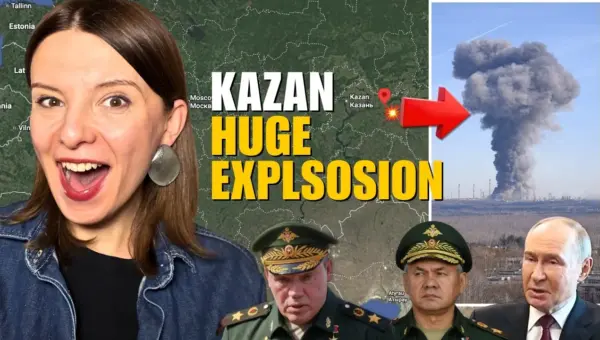
Ukraine Strikes Russian Oil Hubs, Sparking Regional Unrest
Ukraine has launched significant drone attacks on Russian oil refineries and a chemical plant in Tatarstan and Bashkortostan. These strikes target Russia's war economy and highlight growing discontent in rebellious regions. The attacks also come as Russia's key Ust-Luga oil export terminal remains crippled.


War Analyst Unveils Studio, Focuses on Ukraine
A war analyst has revealed his content creation studio, showcasing the setup behind his Ukraine-focused analyses. He discussed his equipment, personal memorabilia, and a new membership program aimed at supporting Ukraine and diversifying revenue.
Russia’s Manpower Crisis Deepens
Russia faces a critical military manpower crisis, with monthly losses exceeding recruitment figures. This deficit is forcing a shift in recruitment demographics, potentially destabilizing major cities and the regime itself. Deepening economic strain and ethnic tensions further complicate Moscow's ability to sustain the war effort.