Europe Rethinks Nuclear Deterrence Amid US Uncertainty
European leaders are contemplating an expansion of their nuclear arsenals due to growing uncertainty over the US nuclear umbrella. Discussions between France and Germany explore extending nuclear deterrence, though Germany remains committed to non-proliferation treaties. Experts warn of the immense costs and potential weakening of NATO.

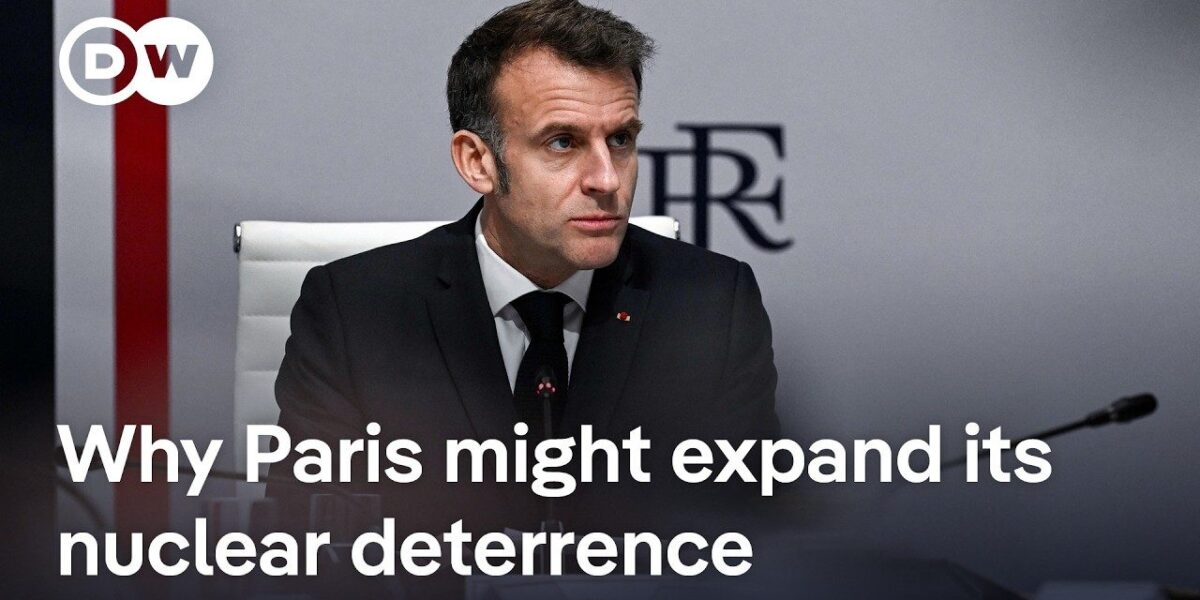
Europe Considers Nuclear Arsenal Expansion
In a significant shift from decades of established policy, European leaders are openly discussing the expansion of their nuclear capabilities. This reevaluation comes amidst growing uncertainty surrounding the United States’ commitment to its traditional nuclear umbrella, a cornerstone of transatlantic security since the Cold War. While Washington maintains its assurances, former President Donald Trump’s past rhetoric and questioning of NATO’s collective defense commitments have prompted European allies to explore alternative deterrence strategies.
German Chancellor Initiates Strategic Debate
The conversation gained momentum when German Chancellor Friedrich Maris, even before assuming office, broached the subject of increased European nuclear cooperation. This marked a notable departure from his predecessors’ stances. Maris stated, “We have to talk to the British and the French, to both European nuclear powers about the question of whether nuclear sharing or at least nuclear safety could be claimed from the UK and France.” This initiative signaled a growing desire among key European nations to take a more active role in their own defense posture.
French President Responds with Landmark Proposal
Just weeks after Chancellor Maris’s remarks, French President Emmanuel Macron responded with a statement considered a landmark in European strategic thinking. Macron announced, “I have decided to open the strategic debate on the protection through our deterrence of our allies on the European continent.” A year later, Macron confirmed that discussions with Germany were underway to explore how the French nuclear program could extend deterrence to allies, a historic first. He emphasized the importance of this dialogue, stating, “This is a way to create convergence in our strategic approach and strategic culture between Germany and France. And I think for me it’s very important because this is the cornerstone of of such a path forward.”
Expanding European Deterrence, Not Replacing US
The envisioned path forward, championed by Macron and others, is not intended to supplant the United States as the primary guarantor of Western nuclear deterrence. Instead, the focus is on potentially broadening the coverage of the existing French and British nuclear arsenals. This could involve publicly clarifying what France defines as its “vital interests” and the territories it would be willing to defend with its nuclear capabilities. Practical steps might include joint nuclear-related exercises with allies and potentially stationing aircraft capable of carrying nuclear weapons in allied nations.
Key Differences from US Model
However, the proposed European model is expected to differ significantly from the US approach. France, for instance, is not anticipated to replicate the US practice of storing nuclear weapons in multiple NATO countries, allowing for rapid deployment. The French president is expected to retain absolute decision-making authority over the use of France’s nuclear deterrent. As noted in the discussions, “Some things in the nuclear policy will not change. The fact that uh it is for instance fully sovereign, autonomous, that it cannot rely or depend on any other partnersh to to to work. This is for instance a very important element.” This emphasizes the inherent national control and autonomy associated with the French nuclear posture.
Germany’s Commitment to Non-Proliferation
Germany, while engaging in these strategic discussions, has been clear about its commitment to international non-proliferation treaties. As a signatory to the Nuclear Non-Proliferation Treaty (NPT), Germany is bound by its obligations not to acquire nuclear weapons. Officials have clarified that increased dialogue does not equate to a breach of these commitments. “Germany has also clarified that more dialogue doesn’t mean dramatic decisions that could breach its obligations under the nuclear non-proliferation treaty, the NPT. Germany signed at least two contracts and said we will never have nuclear weapons. I think we will not I don’t think I I know we will we will remain committed to that signatures and to that treaties we won’t have any.”
Poland’s Desire for Enhanced Capabilities
In contrast, Poland’s president has expressed a desire to go further, advocating for the development of independent European nuclear capabilities, despite Warsaw also being a signatory to the NPT. While welcoming the French president’s openness regarding the nuclear umbrella, the Polish president stated, “The French president’s openness about the nuclear umbrella is welcome, but I am in favor of developing our own research and development capabilities as well.” This reflects a segment of European opinion that seeks greater self-reliance in nuclear deterrence.
Concerns Over Cost and Viability
Not all European leaders and experts are convinced by the prospect of an independent European nuclear deterrent. Rose Gottemoeller, a former Deputy Secretary General of NATO and negotiator of the New START treaty, advises caution. She warns of the immense financial burden, stating, “That’s why I’m advising think carefully if you want to maintain your social welfare programs and you have this massive conventional buildup to take care of. Are you really ready to spend the huge budget that is required for a nuclear weapons program and don’t forget you’re not only building and acquiring the weapons you are dealing with decades of nuclear waste afterwards.” The substantial costs associated with developing, maintaining, and managing nuclear arsenals, including long-term waste disposal, present significant economic challenges.
NATO Chief’s Stark Warning
NATO Secretary General Jens Stoltenberg has also voiced strong reservations about the concept of an independent European nuclear deterrent. He issued a stark warning, suggesting that pursuing such a path could undermine the very alliance it aims to strengthen. Stoltenberg reportedly stated that an independent European deterrent, costing billions, would lead to losing “the ultimate guarantor of our freedom which is the US nuclear umbrella.” This perspective highlights the fear that a fragmented European nuclear posture could weaken NATO’s overall deterrence and potentially alienate the United States.
Looking Ahead: A Shifting Deterrence Landscape
As European nations navigate this complex strategic landscape, the future of nuclear deterrence in Europe hangs in the balance. The ongoing discussions between France and Germany, coupled with varying ambitions among other allies, indicate a potential recalibration of security priorities. The coming months will be crucial in determining whether Europe moves towards a more integrated or diversified nuclear posture, and how these developments will reshape transatlantic security relationships and the global non-proliferation regime.
Source: Will the US nuclear umbrella continue to shield European allies? (YouTube)

Related Articles

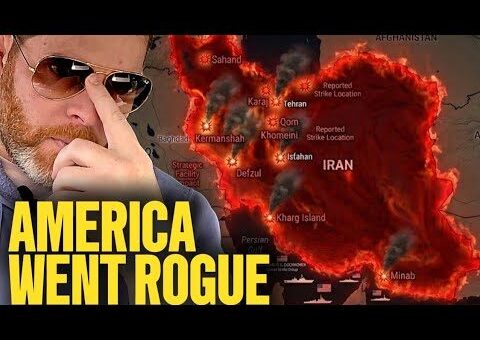
US Launches Iran Operation Alone as Allies Distance Themselves
The United States has launched a major military operation in Iran, "Operation Epic Fury," without the backing of NATO allies, who have publicly distanced themselves. Critics argue this unilateral action highlights America's growing international isolation and economic instability, while ordinary citizens face increasing domestic hardship.
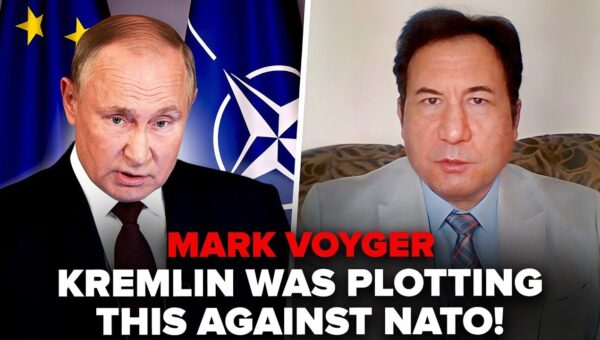
Kremlin Ultimatum Revealed: NATO on High Alert Amidst Russian Response
China's potential role as a peace broker in the Russia-Ukraine conflict is viewed with skepticism, with concerns raised about its impartiality. Meanwhile, Russia's diplomatic maneuvers are seen as part of a broader hybrid warfare strategy, while Hungary's actions under Viktor Orbán are described as consistently pro-Russian, potentially disrupting European unity.
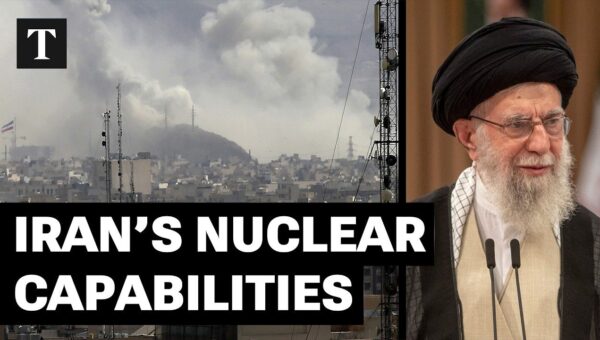
Iran’s Nuclear Ambitions: Expert Explains Capabilities
Expert Darya Dolzikova discusses the uncertainties surrounding Iran's nuclear program following U.S. strikes. Key concerns focus on fissile material and centrifuges, which are difficult to monitor remotely, alongside Iran's significant missile capabilities.