Europe Pushes to Open Hormuz, Cites Energy Crisis
European nations are pushing to reopen the Strait of Hormuz to combat rising energy prices, while NATO intercepts an Iranian missile. Divergent responses from allies like Spain and Australia highlight differing strategies in managing global security challenges.

Europe Pushes to Open Hormuz, Cites Energy Crisis
European nations are signaling a strong desire to reopen the Strait of Hormuz. They see this as a key step to lower soaring energy prices. This push comes as Iran continues to take actions that raise global security concerns. The situation highlights how international conflicts can directly impact everyday people, especially through their wallets.
Energy Bills Drive European Action
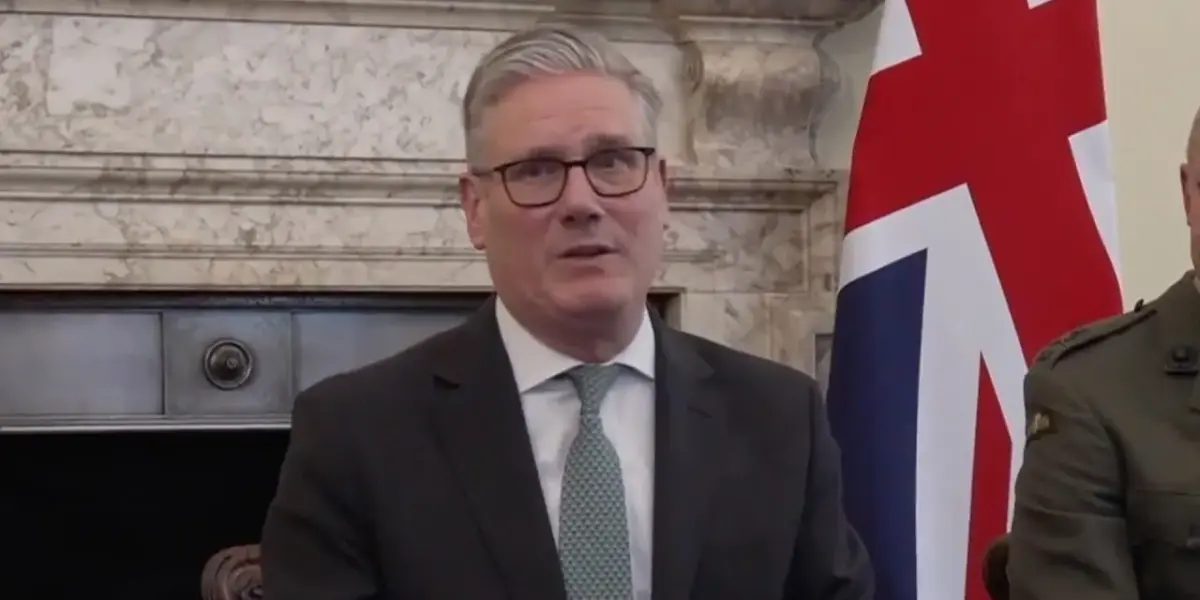
British Prime Minister Keir Starmer stated that reopening the Strait of Hormuz is the most effective way to reduce energy costs. He emphasized that protecting citizens from the war’s impact, particularly rising energy bills, is a top priority. This sentiment is echoed by Germany’s Chancellor, who also stressed the importance of Hormuz. Germany has expressed willingness to support U.S. efforts to ensure safe passage through the vital waterway. They have already offered detailed proposals for international cooperation on this issue.
NATO Responds to Missile Threat
Adding to the tension, Iran has reportedly fired a ballistic missile towards NATO territory. A NATO spokesperson confirmed that the alliance successfully intercepted the missile aimed at Turkey. NATO assures that it is prepared for such threats and will take necessary actions to defend its allies. This incident underscores the broader security implications of regional conflicts, extending to military alliances.
Divergent Responses from Allies
While some European nations are aligning with U.S. efforts, others are taking a different stance. Spain, for example, has closed its airports to all U.S. planes involved in operations related to Iran. They have rejected all flight plans connected to these actions, including those for refueling aircraft. In response, the White House stated that the U.S. is achieving its objectives independently and does not require assistance from Spain or other nations. This shows a clear difference in how allies are approaching the situation.
Australia Seeks Clarity on U.S. Plans
Australia’s Prime Minister has requested that the U.S. clearly outline its exact plans regarding Iran. He expressed a desire to see the Iranian regime, which he described as “abhorrent and reprehensible,” replaced. He also voiced strong support for the Iranian people. This highlights a need for transparency and shared strategy among allies.
Ukraine Sees Parallels, Seeks Cooperation
Meanwhile, Ukrainian President Volodymyr Zelenskyy has completed a tour of the Middle East. He met with several heads of state and reported agreements on military cooperation in various areas. Zelenskyy noted that nations in the region are facing attacks from Iran, similar to Ukraine’s experience with Russia. He mentioned that these agreements, which could span ten years, involve mutual assistance and an interest in anti-ballistic activities. These agreements are pending formalization.
Why This Matters
The Strait of Hormuz is a critical chokepoint for global oil and gas supplies. Any disruption there can significantly affect international energy markets, leading to higher prices for consumers worldwide. The varied responses from European nations and allies like Spain and Australia reveal differing priorities and strategies in dealing with regional instability and its global consequences. Furthermore, the parallels drawn by Ukraine highlight how interconnected global security challenges have become, with conflicts in one region potentially influencing or mirroring events in others.
Looking Ahead
The ongoing tensions surrounding the Strait of Hormuz and Iran’s actions present a complex challenge. Europe’s focus on reopening the strait suggests a strong desire to stabilize energy markets and alleviate economic pressure on its citizens. However, the differing approaches among allies, particularly Spain’s restrictions on U.S. flights, indicate potential divisions in strategy. The ongoing security concerns, including missile threats and NATO’s response, point to a continued need for vigilance and diplomatic engagement. The agreements between Ukraine and Middle Eastern nations also suggest a growing network of countries seeking cooperation in defense and security against shared threats, demonstrating a broader trend of nations building alliances to address complex geopolitical issues.
Source: European Nations Say They’re Working to Reopen Strait of Hormuz (YouTube)

Related Articles


Terror Threats Rise Amidst Political Gridlock
Heightened terror threats, including a Hezbollah-inspired attack in Michigan, are occurring amidst political gridlock and a government shutdown. This situation raises serious concerns about national security and the impact on agencies like ICE and Border Patrol. Investors face increased uncertainty as geopolitical tensions and domestic political instability intersect.
Trump’s Iran Strategy Under Fire: Reporter Blasts ‘Chaos’
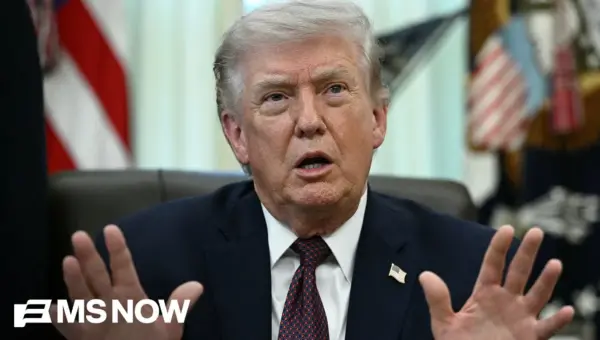
MSNBC reporter Simone Thompson criticizes President Trump's "chaotic" Iran strategy, arguing it has worsened global oil prices and alienated allies. The reporter highlighted how mixed signals and a lack of European support undermine the policy's effectiveness, directly impacting American consumers with higher gas costs.

Trump Hints at Iran Withdrawal in Weeks, Possible Deal
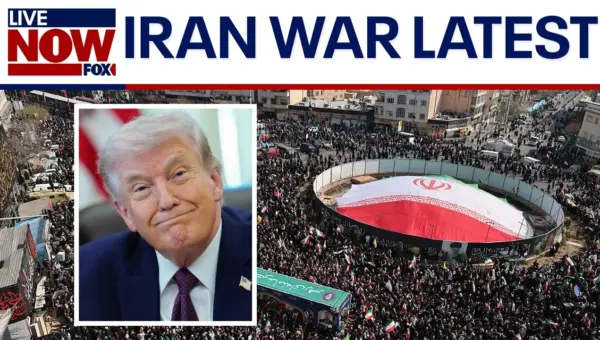
President Trump has signaled a potential U.S. withdrawal from Iran within weeks and hinted at a possible deal. Meanwhile, Secretary Rubio explained the rationale behind recent military actions, citing Iran's nuclear ambitions and missile program. Experts suggest Trump's upcoming address may announce the achievement of military goals and potential diplomatic progress.