Europe Hesitates as US Leads Iran Conflict, Analysts Say
European nations are adopting a cautious, containment-focused approach to the escalating Iran conflict, largely leaving the US to lead military actions. Analysts suggest Europe is prioritizing its own interests and contemplating a post-regime-change role, while Spain stands as an outlier with its opposition to US operations. The broader implications of the conflict and the potential for regime change remain uncertain.

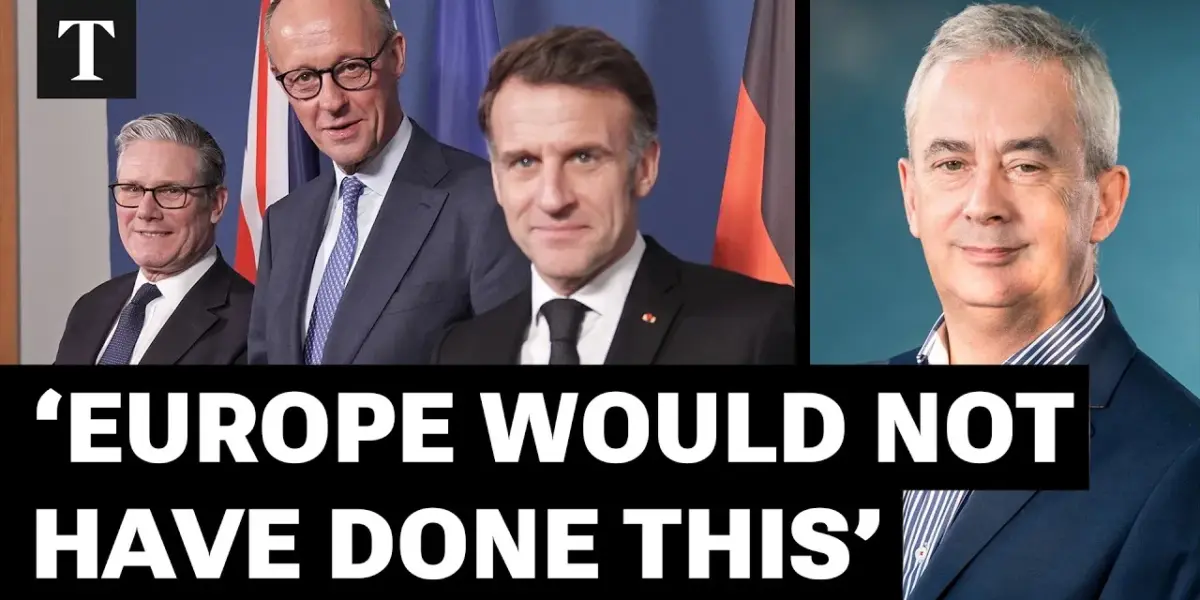
European Nations Cautious Amid Escalating Iran Tensions
As the United States takes a leading role in the escalating conflict with Iran, European nations are largely adopting a stance of cautious containment, prioritizing their own interests rather than direct military involvement. While the UK considers deploying a warship to defend a key airbase in Cyprus, other European powers are focusing on managing the fallout and contemplating a post-regime-change role, according to insights from Peter Conradi, Europe editor of The Sunday Times.
Spain Stands Apart with Opposition to US Operations
Spain has emerged as a notable outlier in its response, with its government explicitly stating that its bases cannot be used for US operations related to the Iran conflict. Conradi explained that Spain, under its left-leaning leader Sanchez, is generally reluctant to align with the current US administration’s military actions. However, he noted that Spain’s position, while principled, holds limited strategic significance given that the primary European players in this context are France, Germany, and Italy.
Germany’s Pragmatic Approach: Doubts but No Condemnation
German Chancellor Angela Merkel, despite having significant doubts about the US approach, has adopted a pragmatic stance. “Now is not the moment to lecture our partners and allies,” Merkel stated, acknowledging shared goals with the US regarding Iran but recognizing Germany’s inability to achieve them independently. Conradi highlighted that while Germany would not have initiated such action and was only given a courtesy call shortly before the US operation began, they are unwilling to outright condemn the American efforts. This reflects a difference in approach compared to French President Emmanuel Macron, though both leaders are concerned about the broader implications.
France Navigates Military Interests and Regional Stability
France, a major military power within the EU, is also distancing itself from the direct US operation while simultaneously managing its own regional interests. President Macron has expressed concern over the potential fallout, particularly after a French military base in Abu Dhabi reportedly sustained minor damage from a drone attack. France’s deployment of anti-missile systems and a frigate to Cyprus underscores its commitment to protecting its assets and allies in the region.
EU Institutionally Limited in Direct Conflict Role
The European Union as a supranational body faces significant challenges in formulating a unified response to such a sensitive geopolitical crisis. Conradi emphasized that achieving consensus among all 27 member states on the nuances of the Iran conflict is exceedingly difficult. Consequently, the EU’s role remains largely peripheral, with individual member states managing their specific interests and contributions. The primary actors, the United States, are dictating the pace and nature of the military actions, while European nations are primarily focused on damage control and potential future influence.
US and Israel Aim for Political Wins Beyond Military Success
Beniam Benaliblau, Senior Director of the Iran Program at the Foundation for Defense of Democracies, discussed the strategic objectives behind the US and Israeli actions. He noted that while both nations possess the military capability to achieve battlefield victories, the crucial challenge lies in translating these successes into broader political gains and a coherent post-conflict strategy for the Islamic Republic. Benaliblau warned that the Middle East’s history is replete with examples of military triumphs that failed to yield lasting political stability.
Escalation and Historical Parallels in Regional Conflict
The conflict has seen a widening scope, with Israel engaging Hezbollah in Lebanon and Iran targeting civilian infrastructure in the Persian Gulf. Benaliblau drew a stark parallel between the current situation and the Iran-Iraq War, specifically Iran’s retaliatory strikes against Kuwaiti and Saudi energy infrastructure that ultimately drew major world powers into the conflict against it. He cautioned that similar Iranian actions today, targeting critical infrastructure, could invite greater military pressure from both the US and Gulf Cooperation Council (GCC) countries.
The Complex Path to Regime Change and Iranian Stability
The potential collapse of the Iranian regime, particularly following the reported death of its Supreme Leader, raises questions about the desired outcome and the US role in facilitating a transition. Benaliblau suggested that while the removal of Iran as a state sponsor of terrorism would be beneficial, the ultimate goal must be to transform an adversary into an ally. This, he stressed, requires more than just military strikes; it necessitates a strategy to support the Iranian people and pave the way for internal political change, a goal that current military actions may not directly achieve. He pointed out that operations targeting distant missile bases do little to empower domestic protests in major Iranian cities.
Timing and Strategy: Was the Intervention Too Late?
A key question raised is whether the US military intervention occurred too late, missing a window of opportunity during the widespread protests in Iran earlier in the year. Benaliblau conceded that the timing is complex. He noted that while the US had promised support to Iranian protesters, its regional force posture was less robust at that time. Furthermore, the nature of the required military operation to support internal dissent differs significantly from strikes aimed at degrading state capacity. Providing air cover for protesters, for instance, would necessitate different weaponry, such as drones and specific aircraft, compared to the strategic bombers and cruise missiles employed in the current campaign.
Looking Ahead: The Uncertain Future of Regional Stability
As the conflict unfolds, the world watches to see if diplomatic channels can be effectively utilized to de-escalate tensions and if the current military actions will lead to a stable resolution or further destabilize the already volatile Middle East. The focus will remain on the strategic objectives of the US and its allies, the internal dynamics within Iran, and the willingness of European powers to play a more active role beyond managing their immediate interests.
Source: ‘European Leaders Don’t Want To Take Part In Iran Conflict’ | Peter Conradi (YouTube)

Related Articles
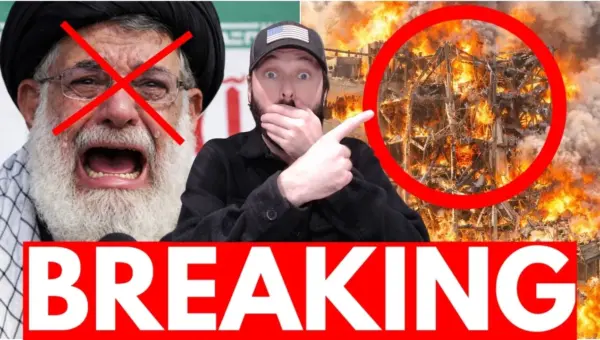
Iran’s Leadership Decimated: A Strategic Strike or Escalation?
Reports indicate a devastating strike on Iran's leadership and military infrastructure, raising questions about strategic objectives and escalating conflict. The potential for Iran to possess nuclear weapons adds a critical layer of urgency.
Trump’s War Presser Unravels: Threats, Confusion, and Blame
A recent press conference reveals Donald Trump's chaotic approach to foreign policy, marked by contradictory statements on the Iran conflict, threats against allies like Spain, and a concerning lack of preparedness for civilian evacuations. The event highlighted a volatile leadership style with potentially destabilizing global implications.
Petraeus: Iran Conflict Inevitable, ‘Staying Out Is Not An Option’
General David Petraeus warns that staying out of the conflict with Iran is no longer an option for the UK and regional powers. He details the likely military objectives and the uncertain outcome for the Iranian regime, while acknowledging the significant global economic repercussions.