Europe Gripped by Soaring Fuel Prices, Economic Pain Looms
Soaring fuel prices are creating significant economic and political challenges across Europe, impacting household budgets and raising inflation concerns. The continent's heavy reliance on diesel vehicles and high pre-existing fuel taxes exacerbate the problem, forcing governments to consider tax cuts and other measures to ease the burden on consumers and businesses.

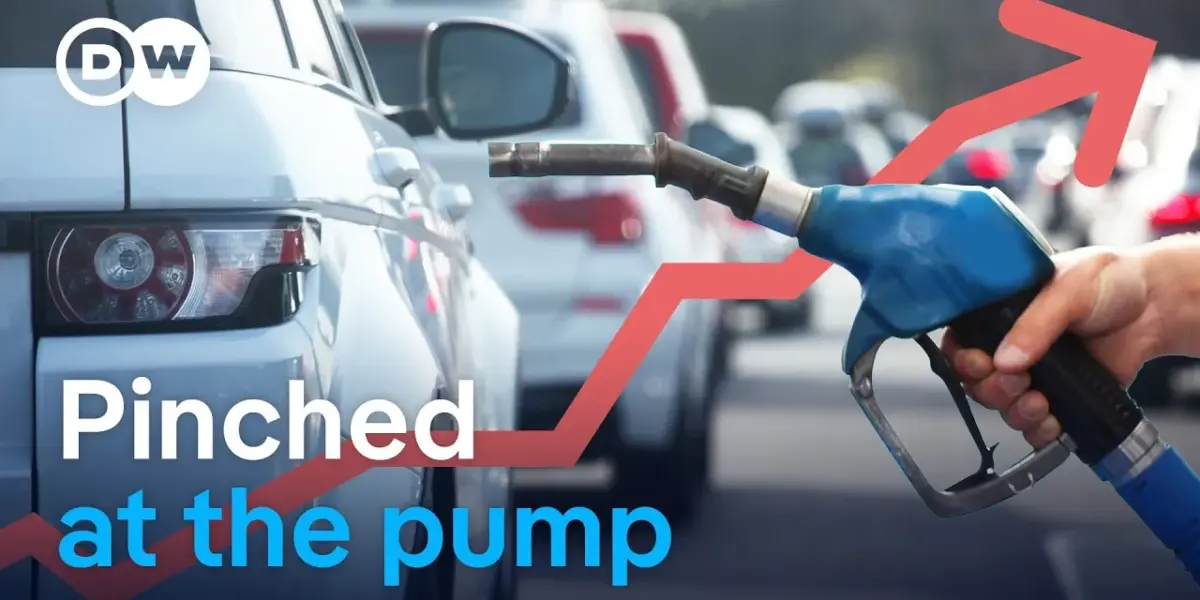
Europe Faces Fuel Price Crisis
Higher fuel prices are causing significant problems across Europe, impacting household budgets, increasing the cost of everyday goods, and creating political pressure. The continent, known for its shorter driving distances and extensive public transport, is finding its car-dependent culture challenged by the recent surge in petrol and diesel costs. This situation is particularly concerning given that driving is already expensive in Europe compared to regions like the United States.
Understanding European Driving Habits
While Europe is often associated with iconic car culture, like the German autobahn, driving habits differ from the US. For instance, Germans drive significantly less per day, averaging under 16 kilometers, compared to Americans who drive around 46 kilometers daily. This difference is partly due to shorter distances between European cities and more developed public transportation systems. Despite this, a substantial portion of the European population, around two-thirds in Germany, still relies on cars for their daily commute to work. This reliance means that even with shorter distances and better public transit options, fuel price increases have a noticeable effect on many people’s lives.
The Diesel Dilemma
A key factor making Europe particularly vulnerable to current fuel price hikes is its widespread use of diesel vehicles. Unlike in the US, diesel cars are very popular in Europe, accounting for nearly one in three passenger cars in Germany and even outnumbering petrol cars in countries like Ireland and Latvia. Diesel engines are favored for their fuel efficiency, power, and historically lower taxation. However, recent pollution concerns and stricter regulations in European cities have already started to diminish diesel’s appeal. The current spike in prices, driven by factors including reduced Russian imports and competition for global diesel supplies, has made diesel fuel more expensive than petrol in many European countries for the first time in years. This shift is especially problematic for a continent heavily invested in diesel technology.
Why European Fuel Costs More
Fuel prices in Europe are generally much higher than in the US, even before recent increases. For example, the average cost of unleaded petrol in the EU before the recent conflict was about $7.15 per gallon, compared to just over $3 per gallon in the US. This significant difference is largely due to taxes. In Germany, for instance, taxes make up over two-thirds of the total cost of gasoline. These taxes include energy taxes, carbon taxes, and value-added taxes. While diesel has historically had lower energy taxes, making it cheaper than petrol, the current market dynamics have reversed this trend. The high tax burden means that European consumers are more sensitive to price fluctuations, and any increase in global oil prices is amplified at the pump.
Economic and Political Repercussions
The escalating fuel costs have broad economic consequences for Europe. Businesses, especially those relying on transportation, face increased operating expenses. These higher costs are often passed on to consumers, contributing to inflation and making everyday products more expensive. Experts suggest that rising fuel prices could add up to half a percentage point to inflation, depending on the duration of supply disruptions. This situation also puts considerable pressure on governments. Historically, fuel price increases have led to social unrest, such as the Yellow Vest movement in France in 2018, which began as a protest against fuel tax hikes. European governments are now grappling with how to ease the burden on citizens and businesses without jeopardizing their own finances.
Government Responses and Future Outlook
In response to public frustration, European governments are exploring various measures. Some countries, like Germany, have criticized oil companies for opaque pricing practices and accused them of speculation. France has been inspecting gas stations to ensure fair pricing. Several nations, including Spain and Italy, have already begun cutting fuel taxes to provide immediate relief. Germany is also implementing a limit on price increases at gas stations to once per day. Looking back at historical responses, governments have sometimes introduced windfall taxes on energy companies, though the industry argues this penalizes them for market conditions they did not create. The debate continues on how best to manage these high prices. Some suggest returning to measures seen in the 1970s, like reduced workweeks or speed limits, to curb fuel consumption. While Europe’s higher baseline fuel prices and greater reliance on diesel make the current situation particularly challenging, its more developed public transport and the ability to adjust taxes offer governments more tools than in markets like the US. The coming months will be crucial as policymakers aim to balance economic stability with public demand for affordable energy.
Source: How higher fuel prices are unsettling Europe | DW News (YouTube)

Related Articles

Markets Wobble as Geopolitics Shift Dramatically
Global markets are showing volatility as geopolitical tensions rise, with the Nasdaq nearing correction territory. Concerns over consumer spending, rising costs, and the nation's fiscal health are intensifying. Analysts debate whether current events represent short-term market noise or a fundamental "reinvention of geopolitics" with long-term implications.


Global Shortages Hit Helium, Fertilizers Amid War
Global shortages are expanding beyond oil and gas, now impacting critical materials like helium and fertilizers. These supply disruptions threaten tech manufacturing and food production, raising concerns about inflation and economic growth. The situation signals a widening global supply shock with significant market implications.

Gas Tax Cuts Offer Little Relief, Economist Warns
Economists suggest that cutting the federal gas tax, currently 18 cents per gallon for gasoline, would offer minimal relief to consumers due to thin profit margins in the competitive fuel market. The move could theoretically lower prices for buyers and increase earnings for sellers, but the overall impact is expected to be small. Funding for highway infrastructure remains a larger, unresolved issue.