Europe Faces Post-Cold War Order Collapse After Munich Security Summit
Western leaders at the Munich Security Conference acknowledged the end of the post-Cold War security order, raising concerns for Europe's future. Ukrainian President Zelenskyy urged continued support against territorial concessions, while transatlantic tensions underscored the shifting geopolitical landscape.

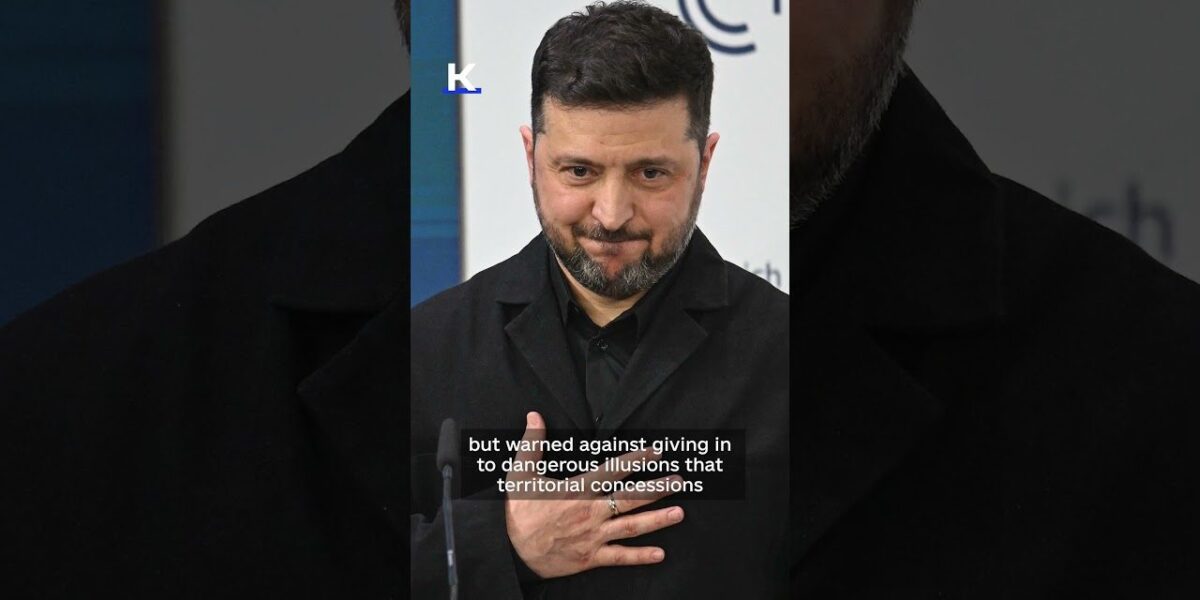
Munich Security Conference Signals End of Post-Cold War Era
MUNICH, GERMANY – The Munich Security Conference, a cornerstone event for global diplomacy, concluded this week with Western leaders openly acknowledging the disintegration of the post-Cold War security order. The gathering, held under the shadow of escalating geopolitical tensions and a shifting American foreign policy stance, underscored profound anxieties across Europe regarding the future of international stability, particularly concerning the ongoing conflict in Ukraine.
Transatlantic Tensions and Shifting Alliances
This year’s conference was marked by a palpable sense of unease, amplified by recent aggressive diplomatic maneuvers and mounting pressure on Ukraine to negotiate peace with Russia. While U.S. Secretary of State Antony Blinken delivered a speech emphasizing the strength of the transatlantic alliance, which garnered a standing ovation, many observers noted a continuity in the underlying ‘America First’ sentiment. Despite a more diplomatic delivery, the core message echoed previous administrations’ skepticism regarding the efficacy of a purely rules-based international order.
These transatlantic frictions, though significant, did not entirely eclipse the critical discussions surrounding the war in Ukraine. Ukrainian President Volodymyr Zelenskyy, who engaged in crucial sideline meetings with Secretary Blinken and European leaders, expressed gratitude for Europe’s increased military support amidst perceived shifts in U.S. policy. However, he issued a stark warning against dangerous concessions, asserting that territorial concessions would not lead to lasting peace and that time was not on the West’s side in the protracted conflict.
Ukraine’s Plea for Continued Support
“We thank Europe for stepping up military support as the US withdraws, but warned against giving in to dangerous solutions that territorial concessions on Ukraine’s part can lead to a lasting peace or that in this war time is on the west side.”
– Ukrainian President Volodymyr Zelenskyy (as reported from the Munich Security Conference)
Unanswered Questions Loom Over Ukraine’s Future
Despite pledges from European leaders to maintain and even increase support for Ukraine, the conference left critical questions unresolved. The path to breaking the current negotiation deadlock and compelling Russia to relinquish its territorial demands remains elusive. Furthermore, the sustainability of Europe’s commitment to supporting Ukraine through an all-out war, which is rapidly approaching its fifth year, faces significant scrutiny.
The discussions highlighted a growing realization that the existing security architecture, established in the wake of the Cold War, is no longer adequate to address contemporary challenges. Leaders grappled with the implications of a world order where traditional alliances are strained and the efficacy of international institutions is questioned. The need for a new framework, one that accounts for the resurgence of great power competition and the complex nature of modern conflicts, was a recurring theme.
Broader Implications for European Security
The events and discussions in Munich have far-reaching implications for the future of European security. The erosion of the post-Cold War order suggests a move towards a more fragmented and potentially volatile geopolitical landscape. Europe, now more than ever, must consider how to bolster its own defense capabilities and strategic autonomy while navigating complex relationships with its traditional allies and adversaries.
The conference served as a stark reminder that security is not a static condition but a dynamic process requiring constant adaptation and strategic foresight. The commitment to Ukraine’s sovereignty and territorial integrity, while reaffirmed by many European nations, will be tested by the evolving geopolitical realities and the immense resources required for sustained support.
Looking Ahead: The Path Forward
As the international community digests the outcomes of the Munich Security Conference, attention will undoubtedly turn to the practical steps required to address the pressing issues raised. The coming months will be crucial in determining whether Europe can effectively bridge its internal divides, bolster its defense posture, and continue to provide the necessary support for Ukraine. The ability of global leaders to forge new diplomatic pathways and reinforce a stable international order in the face of unprecedented challenges will be a key focus.
Source: After Munich Security Conference, Ukraine and Europe face collapse of post-Cold War order (YouTube)

Related Articles

China’s Global Grip Loosens Amidst Sanctions and Shifting Alliances
Recent weeks have seen China facing increased scrutiny, from accusations of supplying Russia with military hardware to allegations of foreign influence operations targeting U.S. politics. Meanwhile, strategic alliances and economic countermeasures by rivals like the U.S. and Japan signal a potential shift in global power dynamics.

America’s Fading Alliances: Munich Conference Signals a Global Realignment
The Munich Security Conference revealed a growing chasm between U.S. rhetoric and allied perceptions. Observers noted a cold reception for the American delegation, signaling a potential decline in U.S. influence and a strategic pivot by European nations towards greater self-reliance.
US Prepares for Iran Strikes: A Calculated War of Attrition
The United States appears poised for potential strikes against Iran, with military assets amassing in the Middle East. Analysts suggest a limited air campaign, akin to Operation Desert Fox, is probable, targeting IRGC facilities and missile sites. However, risks of Iranian retaliation and regional escalation remain significant.