Europe Faces Energy Crisis as Trump Demands Self-Sufficiency
President Trump is pushing European allies to secure their own energy, potentially reshaping global markets. Meanwhile, TSA lines are shortening as agents receive paychecks amid a DHS shutdown, with lawmakers seeking ways to reopen the department.

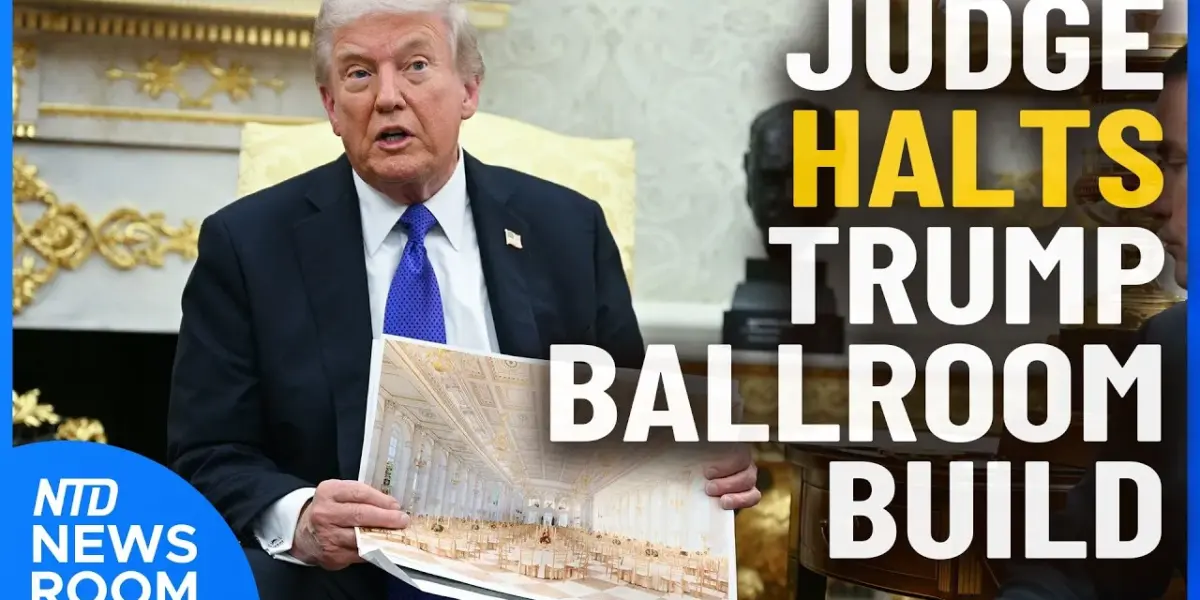
Europe Faces Energy Crisis as Trump Demands Self-Sufficiency
President Donald Trump has sharply criticized European allies, urging them to take more responsibility for their own energy needs. This comes as tensions rise regarding U.S. operations in Iran. Trump’s comments suggest a potential shift in how energy resources are managed globally. Europe, heavily reliant on external energy sources, now faces the challenge of securing its own supply.
The situation in Iran remains critical. Secretary of War Pete Hegseth stated that the upcoming days are crucial for the ongoing conflict. He believes that U.S. military actions have weakened the morale of the Iranian military forces. This assertion points to the intense nature of the conflict and its potential turning points.
TSA Lines Shorten Amidst Government Shutdown Resolution
In domestic news, airport security lines are showing improvement. This easing of congestion is attributed to TSA agents finally receiving their paychecks. The intervention came from the president, helping to resolve a critical issue during the longest-ever Department of Homeland Security (DHS) shutdown. Many government workers had gone without pay for extended periods, causing significant disruption.
The DHS shutdown highlighted deep divisions and challenges in government funding. Some Republican lawmakers are exploring alternative strategies to reopen the department. Their aim is to bypass traditional legislative roadblocks and find a way forward. This suggests a growing frustration with the status quo and a search for innovative solutions.
Why This Matters
President Trump’s call for European energy independence could reshape international relations and global markets. If European nations must secure their own energy, it may lead to new partnerships and investments in renewable or alternative energy sources. This could also impact existing trade agreements and the balance of power among energy-producing and consuming nations. The U.S. may be signaling a move towards a more nationalistic approach to foreign policy and resource management.
The situation in Iran underscores the volatile geopolitical climate. The success of U.S. military operations in affecting enemy morale could influence future conflict strategies. It also raises questions about the long-term consequences of military intervention and the stability of the region. The effectiveness of such strikes can be a complex issue, with impacts felt far beyond the immediate battlefield.
The resolution of the TSA backlog, even temporarily, offers relief to travelers and government workers. It highlights the direct impact of government shutdowns on essential services and the economy. The president’s intervention, while providing a short-term fix, also brings attention to the underlying issues causing such shutdowns. The search for bipartisan solutions to keep the government running smoothly remains a key challenge for lawmakers.
Historical Context and Future Outlook
Historically, Europe has depended on a diverse range of energy suppliers, including Russia and the Middle East. Shifting this reliance is a significant undertaking that will require substantial investment and political will. The current geopolitical climate, marked by conflicts and trade disputes, makes this transition even more urgent. The U.S. has often played a role in global energy security, so this potential shift in approach is noteworthy.
The ongoing conflict in Iran is part of a longer history of regional instability and international involvement. Understanding the current military actions requires looking at past events and the complex web of alliances and rivalries in the Middle East. The long-term outlook for the region depends on de-escalation and diplomatic efforts, alongside any military strategies employed.
Government shutdowns have become a recurring feature in U.S. politics, often tied to budget battles and policy disagreements. Each shutdown tests the resilience of federal agencies and the public’s trust in government. Finding sustainable funding solutions that avoid such disruptions is a persistent challenge. The trend suggests a need for more effective negotiation and compromise among political leaders to ensure the consistent operation of government services.
Ultimately, these events point to a world grappling with shifting alliances, international conflicts, and domestic political challenges. The decisions made in the coming days and weeks will likely have lasting effects on global energy, regional stability, and the functioning of government.
Source: Judge Temporarily Halts White House Ballroom; T.S.A. Lines Getting Shorter | NTD Newsroom (March 31) (YouTube)

Related Articles
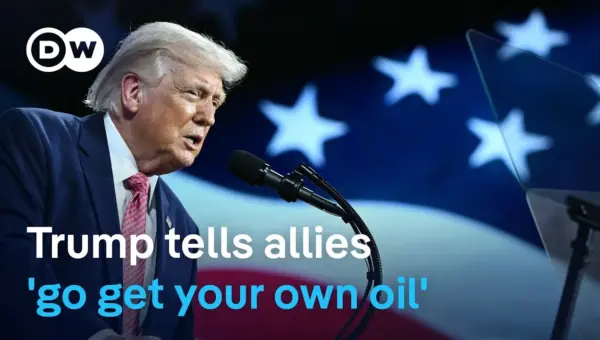
Trump’s Iran Strategy: Off-Ramp or Escalation?
President Trump urged allies to secure their own oil from the Strait of Hormuz, highlighting U.S. frustration with the ongoing Iran conflict. Experts warn of a potential European energy crisis and suggest historical lessons, like the failed Gallipoli campaign, caution against military shortcuts, advocating instead for negotiated diplomatic solutions.
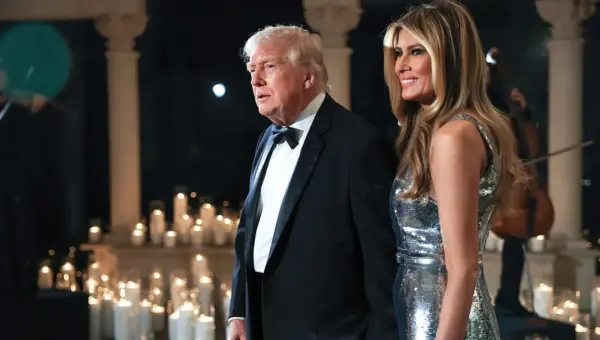
Trump Attends ‘Chicago’ Opening: A Night of Politics and Performance
President Donald Trump and First Lady Melania Trump attended the opening night of the musical "Chicago" at the Trump International Hotel and Tower. This cultural outing occurred against a backdrop of ongoing political developments and public scrutiny.
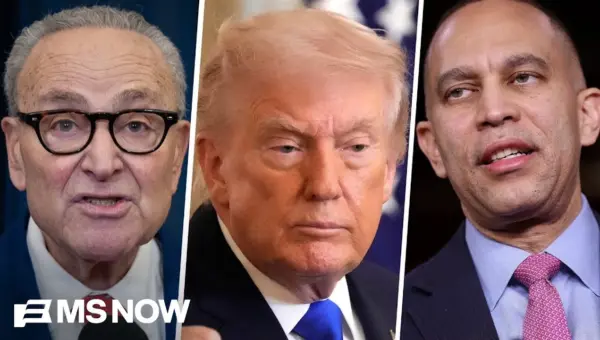
Midterms to Test Trump’s Grip on GOP, Voters Show Discontent
The upcoming midterm elections are expected to be a significant test of former President Donald Trump's influence within the Republican party and the broader electorate. With low approval ratings and voter discontent over key policies, the elections could signal a shift in political power. Experts believe the midterms will be more than just a check on the current administration, reflecting deep dissatisfaction that could impact both the House and the Senate.