Europe Denies US Military Flights, Shifting Global Power
France, Italy, and Spain have denied U.S. military aircraft overflight rights for operations to Iran, signaling a significant shift in European foreign policy and challenging American dominance. This move reflects growing European assertiveness and potential friction within Western alliances.

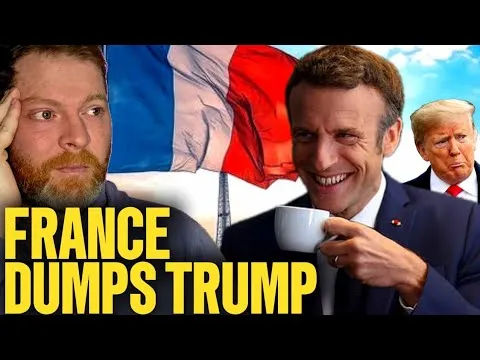
Europe Closes Airspace to US Military, Challenging American Dominance
France, Italy, and Spain have recently denied the United States permission to fly military aircraft through their airspace for operations heading to Iran. This move is a significant challenge to U.S. military operations and signals a potential shift in global power dynamics. The decision suggests European nations are increasingly hesitant to support U.S. military actions in the Middle East.
European Nations Assert Independence
The core of this development lies in European nations asserting their own interests and foreign policy. France, Italy, and Spain are acting independently, choosing not to automatically grant access for U.S. military flights. This is not about disliking America. Instead, it reflects a growing desire among these countries to control their own international engagement and to distance themselves from U.S. military ventures they may not fully support.
Motivations Behind the Decision
Several factors likely influence this decision. European leaders may be concerned about the escalating conflict in the Middle East and its potential to destabilize the region further. They might also be responding to domestic public opinion, which could be against deeper involvement in U.S.-led military operations. Furthermore, these nations could be seeking to recalibrate their relationships with the U.S., pushing for a more balanced partnership rather than a subordinate one.
U.S. Concerns and Donald Trump’s Reaction
Former President Donald Trump has expressed strong disapproval of these airspace denials. He views this as a betrayal of alliances and a weakening of U.S. influence. From the U.S. perspective, especially under Trump’s stance, such actions by allies are seen as undermining American strategic capabilities and its ability to project power globally. The U.S. has historically relied on its allies for logistical support, including overflight rights, which are crucial for rapid military deployment.
Historical Context: Shifting Alliances
This event echoes historical patterns where alliances are tested and redefined. For decades, NATO allies have generally cooperated closely on military matters. However, disagreements over foreign policy, particularly concerning interventions in the Middle East, have surfaced before. This current situation shows a more assertive stance from key European players, indicating a possible move away from unquestioning alignment with U.S. foreign policy objectives. It suggests a desire for greater European strategic autonomy.
Economic and Diplomatic Implications
The denial of airspace can have significant economic consequences. It complicates U.S. military logistics, potentially increasing costs and response times. More broadly, it highlights growing diplomatic friction between the U.S. and some of its traditional European partners. This friction could impact trade relations and broader international cooperation on various global issues. The long-term effect could be a weakening of the unified front that Western allies have often presented.
Global Impact: Reshaping the World Order
This development is more than just a logistical hurdle for the U.S. military. It signals a potential fracturing of Western solidarity and a move towards a more multipolar world order. As European nations become more independent in their foreign policy, other global powers might feel emboldened to challenge U.S. influence. This could lead to a less predictable international environment, where alliances are more fluid and national interests take precedence over collective security agreements. The stability of global supply chains and the overall health of the world economy could be affected if such tensions escalate.
Future Scenarios
Several future paths are possible. One scenario is that these European nations continue to assert their independence, leading to more frequent diplomatic disagreements with the U.S. This could result in a significant rebalancing of transatlantic relations. Another possibility is that the U.S. and its allies find ways to bridge these differences, perhaps through renewed diplomatic efforts and a reassessment of shared strategic goals. However, the current trend suggests a growing divergence, where each nation prioritizes its own security and economic interests more strongly. A complete breakdown of alliances is unlikely, but a period of increased friction and negotiation seems probable.
Source: "GET YOUR OWN AIR" (France Just Locked Out The US Empire) (YouTube)

Related Articles
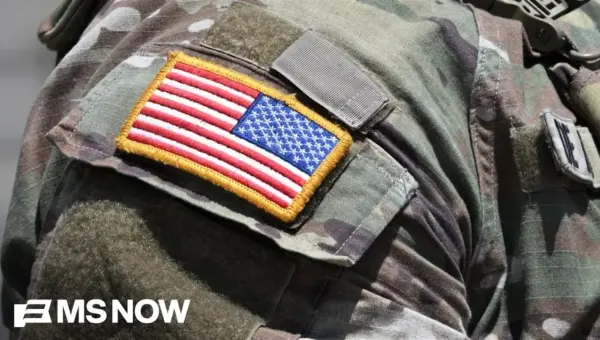
US Pilot Feared Lost in Iran; Search Underway
The U.S. military is conducting a search operation inside Iran for an American pilot whose fighter jet may have been downed. Details are limited, with uncertainty over whether the plane was shot down or suffered mechanical failure. The operation highlights the complexities of rescue missions in hostile territory and occurs amid heightened regional tensions.

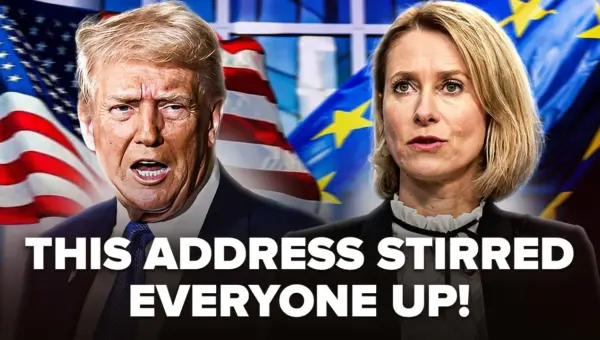
US Policy Shift Stuns Allies, Weakens Global Security
US policy shifts regarding Ukraine, the Strait of Hormuz, and NATO are raising concerns among allies and creating global instability. Critics point to a lack of strategic planning and diplomatic consultation, potentially emboldening adversaries and undermining international security.
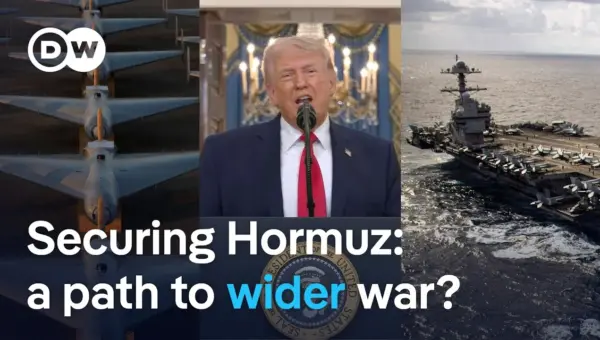
Strait of Hormuz Tensions Risk Wider Middle East War
Efforts to secure the vital Strait of Hormuz risk triggering a wider Middle East war, according to UN warnings and security analysts. The narrow waterway is crucial for global trade, and forcing it open against Iran's objections could escalate regional tensions dramatically. Experts highlight the complex geography, Iran's remaining military capabilities, and the involvement of regional players as key factors in the volatile situation.