Europe Braces for Potential Russia Conflict Within Years
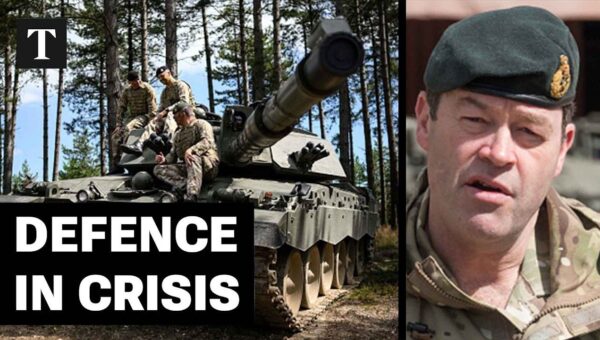
European defense experts warn of an escalating risk of military confrontation with Russia, potentially within the next three to five years. The urgency stems from the evolving nature of warfare, emphasizing the need for rapid modernization and integration of advanced technologies like drones, alongside a crucial focus on national resilience.


Europe Faces Heightened Risk of Conflict with Russia
European nations are confronting an escalating risk of military confrontation with Russia, with some defense officials and analysts warning that a conflict could materialize within a surprisingly short timeframe. Emerging concerns suggest that the window for effective deterrence may be as narrow as three to five years, prompting urgent calls for military readiness and strategic adaptation across the continent.
Urgent Timeframe for Deterrence
The urgency surrounding the potential for conflict is palpable. While specific dates are debated among experts, with some pointing to 2029 or 2030, the consensus leans towards a significant threat emerging within the next three to five years. This compressed timeline necessitates immediate action to bolster defense capabilities and reinforce strategies aimed at deterring Russian aggression. As one defense expert noted, “3 to 5 years for a geographically constrained conflict in some way, shape or form.” This stark assessment underscores the critical need for a swift and decisive response from European governments.
Lessons from Ukraine and Military Modernization
The ongoing conflict in Ukraine has served as a harsh but invaluable teacher, highlighting the evolving nature of modern warfare. There is a clear imperative to rapidly integrate the lessons learned from the battlefield into military doctrine and equipment. A key focus is ensuring that armed forces, particularly land armies, are equipped with the most advanced and integrated systems, with a significant emphasis on drone technology. “My my belief at the moment is the military is fit to fight. I think we need to rapidly adopt the lessons from Ukraine and make sure that for example the army is equipped with the most capable drones and integrated systems to fight,” stated one analyst.
Beyond Hardware: The Importance of Resilience
While technological advancements and hardware are crucial components of military readiness, the discourse also emphasizes the critical role of resilience. Modern warfare is not solely defined by the sophistication of weaponry but also by a nation’s ability to withstand and adapt to prolonged conflict, cyber threats, and societal pressures. This broader understanding of resilience encompasses logistical capabilities, societal cohesion, and the adaptability of command structures. As previously highlighted, “warfare isn’t just about hardware, it’s about resilience.” This holistic approach is vital for ensuring long-term security and stability in the face of potential aggression.
Broader Implications and Strategic Shifts
The heightened risk of conflict with Russia signals a potential paradigm shift in European security. Decades of relative peace in many parts of the continent may be giving way to a new era of geopolitical tension. This necessitates a re-evaluation of defense spending, alliance structures, and diplomatic engagement. The focus on rapid adaptation and modernization suggests a move away from traditional defense models towards more agile and technologically advanced capabilities. The implications extend beyond military preparedness, touching upon economic stability, energy security, and the very fabric of international relations in Europe.
The Path Forward: Readiness and Adaptation
As Europe graps with the immediacy of the threat, the path forward hinges on sustained commitment to military modernization, intelligence gathering, and strategic foresight. The ability to accurately assess and respond to Russia’s intentions and capabilities will be paramount. Continuous adaptation of military strategies, incorporating lessons from ongoing conflicts and embracing technological innovation, will be essential. The coming years will likely see a significant acceleration in defense investments and a strengthening of collaborative security efforts across the European continent as nations strive to ensure their collective security.
Source: Navigating The Risk Of A Russia Conflict (YouTube)

Related Articles


Ukraine’s Drone Factories: A European Game Changer
Ukraine's burgeoning drone production facilities across Europe are transforming it from a recipient of aid into a crucial innovator in global defense. This shift is not only bolstering Ukraine's resilience but also reshaping European military strategies and fostering economic sustainability for the war-torn nation.


Minister Warns: UK Unprepared for War in 3 Years
Minister of State for the Armed Forces, Alun Cairns, warns the UK is unprepared for a potential war within 3-5 years, citing the rapid evolution of warfare driven by drone technology. He stresses the urgent need for modernization and strategic investment to counter emerging threats.

UK Military Readiness Questioned Amidst War Fears
A former top general and a government minister have issued a stark warning about the UK's military readiness, suggesting a potential war within three years is a real possibility. They criticize a lack of clear government signals and investment, which is causing the UK to fall behind European counterparts in defense preparedness and industrial strategy.