Europe Allies Turn Hostile as US Faces Global Isolation
President Trump's aggressive foreign policy and public criticism of allies like NATO have pushed Europe and Canada towards open hostility. This isolation strains global stability, impacts economies worldwide, and prompts traditional allies to form new defense pacts without US involvement.

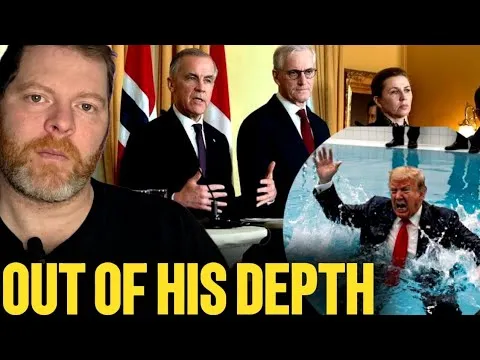
Europe Allies Turn Hostile as US Faces Global Isolation
The United States is facing a growing crisis of trust and isolation on the world stage. Actions by President Donald Trump have pushed traditional allies like Europe and Canada into a position of open hostility. This shift marks a dramatic change in global politics, leaving America increasingly alone.
Trump’s Aggressive Stance Sparks Allied Backlash
The core of the problem lies in President Trump’s approach to international relations, particularly concerning Iran. The transcript suggests Trump initiated an aggressive military action against Iran, expecting a swift victory. He believed the nation would quickly surrender to his demands and grant him control over oil resources. This strategy, however, backfired significantly.
Intelligence reports indicated that Iran might disrupt the Strait of Hormuz, a vital shipping lane for oil. Despite this information, the transcript claims Trump ignored these warnings. He reportedly relied on his instincts rather than the expertise of intelligence professionals with decades of experience. This personal decision-making style has created deep distrust among allies.
NATO’s Role Questioned Amidst Rising Tensions
Trump has publicly criticized NATO, calling it a “paper tiger” for not joining the fight against Iran. He argued that while the military action was largely won with little risk, European nations complained about high oil prices instead of helping secure the Strait of Hormuz. He characterized their hesitation as cowardice.
However, NATO is fundamentally a defensive alliance. Its members are not obligated to join offensive military operations. The transcript points out that the conflict’s main consequence for Europe was rising oil prices, which directly benefited Russia. Russia has profited immensely from increased oil prices, and Trump’s actions, including easing some sanctions on Russian oil, have further boosted Russia’s economy and its military capabilities.
Betrayal and Hostility Replace Trust
Europe and Canada reportedly feel a profound sense of betrayal by the United States’ unilateral actions. This feeling has evolved from disappointment into open hostility. The transcript states that President Trump has, intentionally or unintentionally, made over 300 million Americans enemies of their traditional allies.
Domestically, the situation receives little attention. Many Americans are focused on everyday concerns like gas prices and are unaware of the severe geopolitical consequences. The transcript contrasts this with the reaction in Europe, where the situation is viewed with alarm. The closure of the Strait of Hormuz, blamed on the US and Israel’s “illegal and unpopular war,” has had global repercussions, including a 20% reduction in energy transport and global trade infrastructure. It is estimated to take at least five years to recover pre-conflict levels.
Economic Fallout and Global Instability
The conflict has had severe economic consequences worldwide. Rising fuel prices are expected to cause significant inflation globally. For poorer nations, the strength of the US dollar, combined with higher wheat prices, makes basic food items unaffordable. This situation is predicted to worsen with potential food shortages due to reduced agricultural yields.
The transcript suggests the US is creating a humanitarian crisis, acting like a “super villain” on the global stage. The legislative branch is criticized for not stopping the president’s actions. The constant conflicts and the depletion of US military stockpiles are beneficial for defense contractors like Raytheon and Lockheed Martin but hurt the working class, who face rising costs and potential deployment.
Shifting Alliances and Arctic Defense
In response to perceived US aggression and unreliability, allies are strengthening their own defenses and forming new alliances. Following threats from Trump regarding Greenland, Denmark, Canada, and Scandinavia have formed alliances to protect the Arctic region. Military spending in Canada has increased significantly, with a majority of Canadians now viewing America as an enemy, not just a threat.
This geopolitical escalation is happening while mainstream media focuses on domestic issues. The transcript paints a grim picture: Europe and NATO are watching the US struggle, seemingly waiting for it to fail. The article concludes that America is tied to its president’s actions; if he sinks, the nation sinks with him. The world, it suggests, might be better off without a destabilizing US acting as an aggressor against the global economy. The author, an American, expresses shame over their country’s perceived dishonorable conduct.
Historical Context and Future Scenarios
The current situation echoes past instances where US foreign policy decisions have strained alliances. The criticism of NATO’s role and the mention of Trump belittling war dead from NATO countries, particularly the UK, points to a pattern of disrespect towards allies. This contrasts with the historical role of the US as a security guarantor for Europe and a leader in international alliances.
Two potential future scenarios are outlined for the US engagement in Iran. One involves a protracted military effort with potential ground invasions, leading to increased domestic support for war. The other is a withdrawal, declaring victory despite the reality of the situation and the damage to global infrastructure. Trump could also shift blame to Europe if the operation fails, accusing them of not defending vital shipping lanes.
The transcript suggests that Europe is no longer waiting for the US to lead. They are building up their own defenses and forming partnerships independent of American leadership. This signifies a potential rebalancing of global power, where the US, under its current leadership, is seen as a destabilizing force rather than a stabilizing one. The world is preparing for conflict, while the US is spreading itself thin, potentially alienating the very partners it needs.
Source: The World Watches Us Drown: Europe Prepares for War with America (YouTube)

Related Articles
Ukraine Strikes Russian Oil Refinery, Eyes Iran Threat
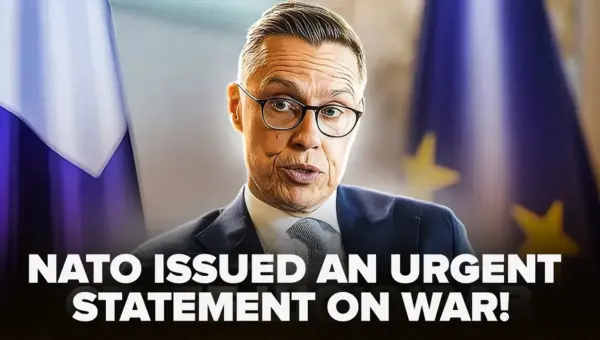
Ukrainian forces struck a key Russian oil refinery, disrupting Moscow's war capabilities. Meanwhile, Finland's president urged continued U.S. support for Ukraine, as Kyiv shares its air defense expertise globally amid growing geopolitical complexities involving Iran and potential sanctions against Hungary.
Iran’s Missile Threat Reduced by 90%, Analyst Says
An analyst reports that Operation Epic Fury has degraded Iran's missile launchers by 90%, despite challenges in targeting hidden sites. The conflict's duration and media coverage are also discussed, with implications for global energy markets and investor confidence.
Iran War Claims Ring Hollow as US Troops Injured in New Attack
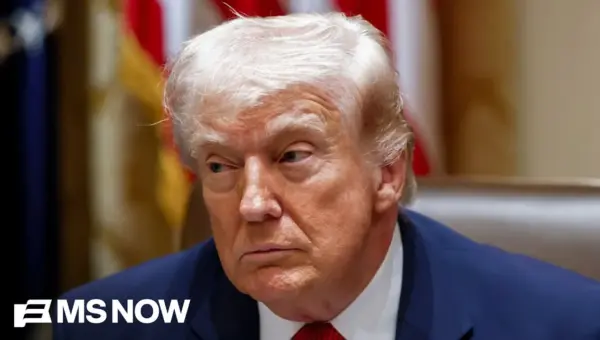
Days after Donald Trump claimed "we've won" the war with Iran, a new attack injured approximately a dozen U.S. troops and damaged aircraft. This incident contradicts Trump's assertions of victory and raises serious questions about the strategy and reality of the ongoing conflict.