EU Summit Focus Shifts: Ukraine Aid, Energy Crisis, and Middle East Conflict
European leaders convened in Brussels amidst escalating Middle East conflicts, which have overshadowed the war in Ukraine and driven up energy prices. The summit addressed Hungary's ongoing blockage of a crucial loan for Ukraine, while also seeking short-term solutions to the energy crisis. Ukraine's President Zelenskyy participated, discussing the repair of a key oil pipeline and offering expertise in drone warfare.

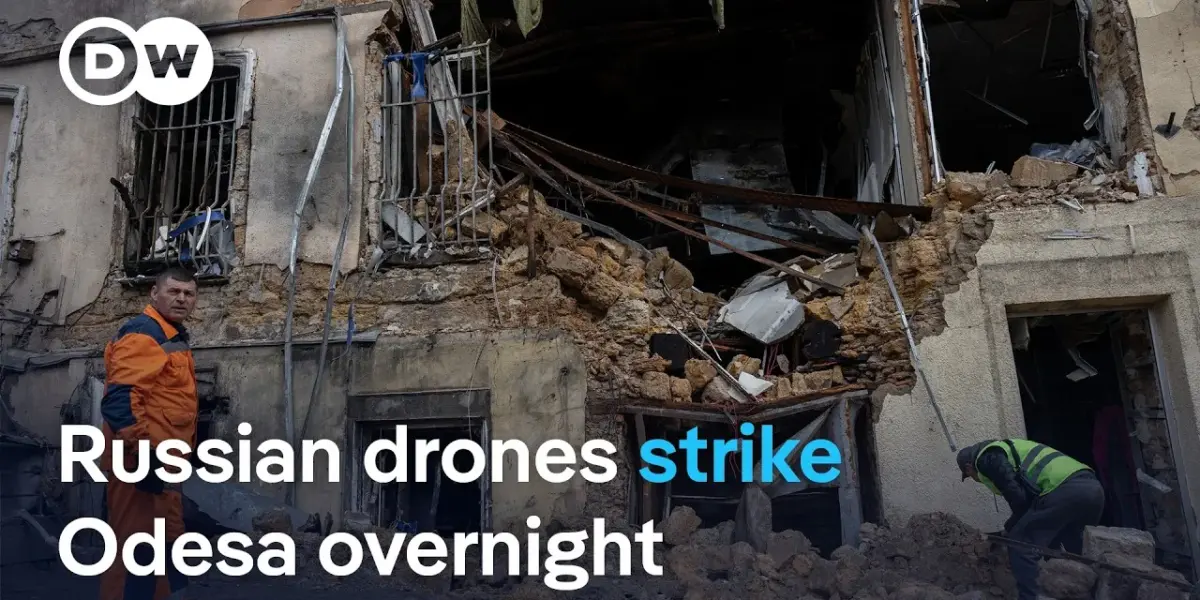
EU Leaders Convene Amid Shifting Global Priorities
European leaders met in Brussels for a critical summit, originally planned to tackle Hungary’s objections to a major loan for Ukraine. However, the agenda was significantly reshaped by the escalating conflict in the Middle East and its impact on soaring energy prices across Europe. The summit now grapples with both the ongoing war in Ukraine and the widening crisis in the Gulf.
French President Urges De-escalation and Civilian Protection
French President Emmanuel Macron expressed deep concern over the Middle East conflict, stating he had spoken with President Trump about the situation. Macron called the escalation “reckless” and supported a call for a halt to bombings and attacks on civilian infrastructure, including vital resources like oil, gas, and water facilities. He emphasized the need for rapid de-escalation and a memorandum addressing attacks against civilians and infrastructure.
Energy Crisis Looms Over EU Discussions
DW correspondent Terry Schultz reported from the EU summit, highlighting the spiraling energy crisis as a major concern. “Everybody would love to see a quick fix to rising energy prices,” Schultz noted, acknowledging the difficulty of finding immediate solutions for 27 countries with diverse energy policies. EU leaders are expected to call on the European Commission to develop a “toolbox” of short-term measures to ease the burden of rising prices. While the long-term goal remains a shift away from fossil fuels, immediate relief is sought through proposals like tax reductions for struggling companies or increased state aid. Changes to emissions policies are also being considered, though these are not simple or instant fixes.
Hungary and Slovakia Block Ukraine Aid
The summit also addressed Hungary’s continued veto of a 90 billion euro loan package for Ukraine, alongside new EU sanctions against Moscow. Despite earlier agreements, including Hungary not having to contribute financially to the loan, both Hungary and Slovakia have blocked its progress. There is a sentiment among some leaders that allowing Hungary’s Prime Minister Orbán further power could create ongoing volatility. The issue of EU sanctions against Russia is a recurring one, with a 19-point agreement on sanctions having been reached previously, but further progress on new measures remains a challenge.
Ukraine’s Pipeline Dispute and Zelenskyy’s Plea
A key point of discussion related to Hungary and Slovakia’s obstruction is the Druzhba oil pipeline. This pipeline is crucial for Russian oil supplies to these countries, which they are permitted due to limited alternatives. Russia damaged the pipeline in January, leading Ukraine to state it cannot facilitate shipments until its own energy infrastructure, also targeted by Russia, is repaired. Ukrainian President Volodymyr Zelenskyy joined the summit via video link, reportedly agreeing to allow EU experts to inspect the damaged pipeline. An EU team is now on the ground in Ukraine, with Zelenskyy estimating the pipeline could be operational by May. This development might offer a potential solution to the loan impasse.
Middle East Conflict Overshadows Ukraine War in News Cycle
Despite continued Russian strikes, such as recent drone attacks on apartment buildings in Odesa, the war in Ukraine has largely been overshadowed by Middle East conflicts in the global news cycle. DW correspondent Nick Connley in Kyiv noted that Ukrainian politicians are acutely aware of this shift. Ukraine is actively highlighting Russia’s military support for Iran, particularly in drone technology, and offering its own expertise in countering these threats. Ukraine has sent teams to Gulf States to assist with intercepting Iranian drones and has reportedly shared its know-how with Israel, which may be seeking Ukrainian experience in dealing with drone attacks.
NATO Divisions and Ukraine’s Defense Concerns
The Middle East conflict is also creating new divisions within NATO, a critical alliance for Ukraine. For now, Ukraine remains relatively secure as long as key NATO members like the UK, Germany, and Scandinavian countries are not directly involved in patrolling strategic areas like the Strait of Hormuz. However, a significant concern for Ukraine is air defense. While Gulf states have received substantial supplies of interceptor missiles, the cost of using these against drones is extremely high. Ukraine is raising alarms about future supply chains, urging European nations to develop their own anti-ballistic systems rather than relying solely on the U.S., questioning U.S. prioritization and availability of missiles in critical situations.
Looking Ahead: Stabilizing Energy and Securing Aid
As European leaders continue their discussions, the immediate focus remains on finding short-term solutions to the energy crisis and navigating the complex political landscape surrounding aid to Ukraine. The ongoing conflict in the Middle East adds another layer of urgency, potentially diverting resources and attention. Key developments to watch will be the European Commission’s proposed energy relief measures, any breakthroughs in overcoming Hungary’s and Slovakia’s objections to the Ukraine loan, and the long-term implications of shifting global priorities on sustained support for Ukraine.
Source: Ukraine War now being overshadowed by Middle East wars | DW News (YouTube)

Related Articles
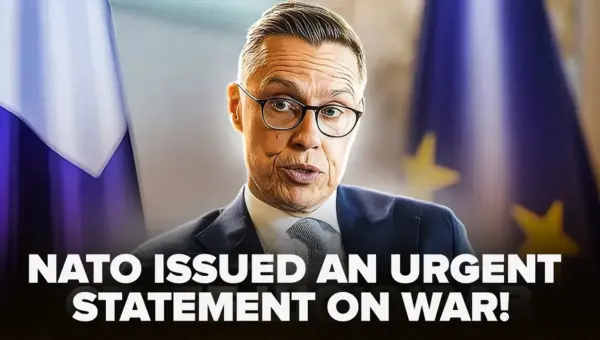
Ukraine Strikes Russian Oil Refinery, Eyes Iran Threat
Ukrainian forces struck a key Russian oil refinery, disrupting Moscow's war capabilities. Meanwhile, Finland's president urged continued U.S. support for Ukraine, as Kyiv shares its air defense expertise globally amid growing geopolitical complexities involving Iran and potential sanctions against Hungary.
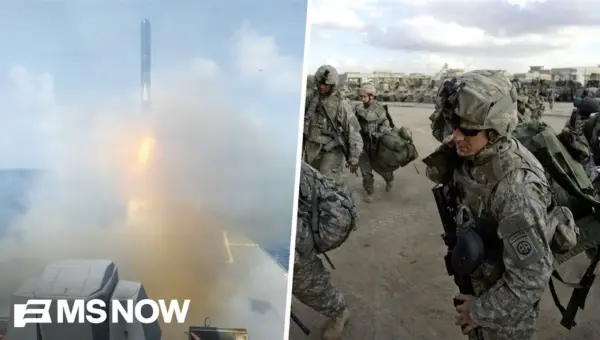
Iran Missile Strikes Injure US Troops, Raise War Concerns
Iranian missile strikes have injured U.S. service members, escalating tensions as the conflict nears one month. The attacks are raising concerns about the effectiveness of U.S. military strategy and the depletion of crucial missile stockpiles. Global oil prices have surged, impacting economies worldwide.
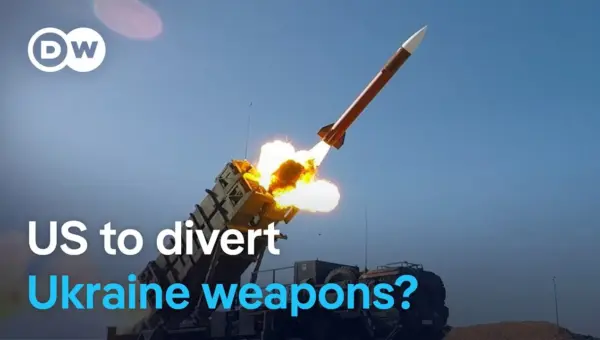
US Weighs Shifting Ukraine Weapons to Iran Amid Missile Shortage
The U.S. is reportedly considering diverting weapons destined for Ukraine to support operations against Iran, driven by rapidly depleted missile stocks. This potential shift raises concerns about Ukraine's defense capabilities and highlights the complex interplay between global conflicts.