EU Sanctions Hit Snag as Western Parts Found in Russian Weapons
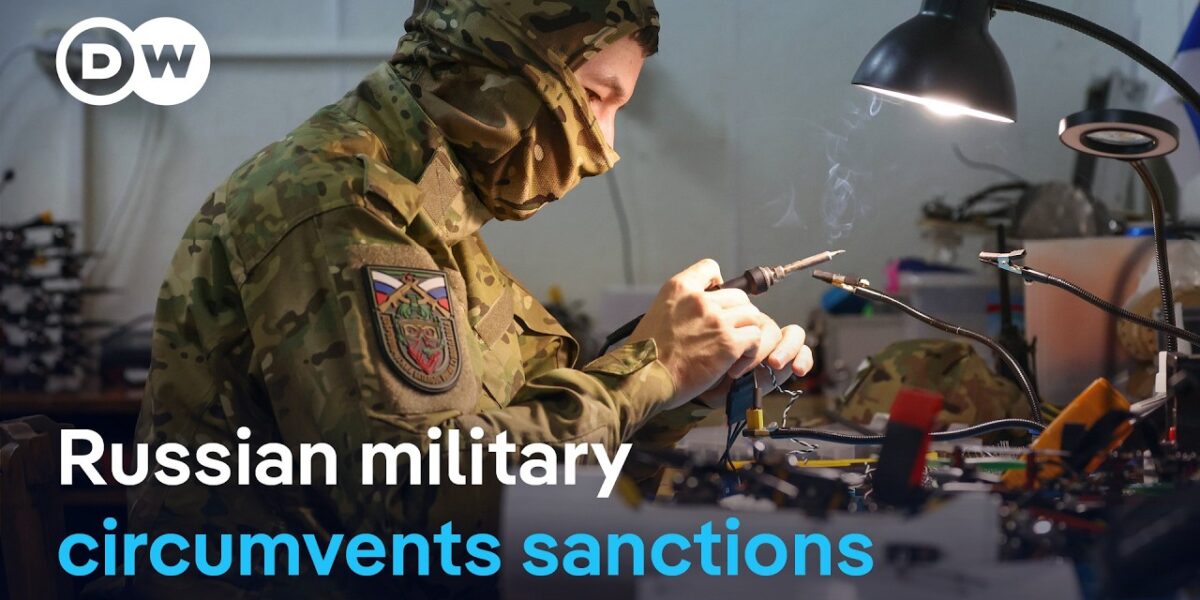
EU sanctions against Russia are facing significant hurdles as Hungary and Slovakia veto a new package and a crucial loan for Ukraine. Investigations reveal Western-made components continue to be found in Russian weapons, highlighting persistent supply chain loopholes despite extensive embargoes.

EU Sanctions Face Obstacles Amidst Western Components in Russian Arms
BRUSSELS – The European Union’s efforts to impose further sanctions on Russia have been stalled, with Hungary and Slovakia vetoing a proposed sanctions package and a crucial loan for Ukraine. The diplomatic deadlock occurred during a meeting in Brussels today, highlighting internal divisions within the EU as the war in Ukraine continues. The blocked sanctions package would have been the 20th imposed on Russia since its full-scale invasion of Ukraine four years ago.
Hungary and Slovakia Block Aid Over Oil Pipeline Dispute
Hungary has declared it will block the sanctions and the loan until Ukraine reopens a pipeline transporting Russian oil through its territory. Ukraine states that a Russian strike in January damaged the pipeline, necessitating repairs. This conditionality has led to accusations of Hungary and Slovakia engaging in a form of blackmail against Ukraine, with Hungary’s Prime Minister Viktor Orbán reportedly using the issue as a domestic political wedge and a means to retaliate against the EU for freezing funds.
Western Technology Fuels Russian Military Capabilities
Despite extensive sanctions, investigations into downed Russian cruise missiles and drones reveal a persistent presence of European-made components. These advanced weapons, used by Russia to strike Ukrainian cities, are assembled in Russia but incorporate sophisticated technology sourced globally, including from European nations. Daria Arabuk, a Ukrainian civilian, shared a harrowing personal account of her grandfather’s death in a Russian missile strike on Kyiv, emphasizing the direct human cost of these weapons.
“He died weeks after the attack,” Daria recounted, her voice heavy with grief, showing the last photograph of her grandfather. “You must not be sold. It’s a business, but a business that kills people.”
Investigative Reports Uncover Supply Chain Loopholes
Investigative journalists have identified specific components from Western manufacturers, including microchips, diodes, and transistors, within Russian weaponry such as the KH101 cruise missile, Iskander K system, and Garan 2 drone. These parts, some produced as recently as 2023 and 2024, indicate that Russia’s supply chain remains active, circumventing existing embargoes. While Ukrainian authorities have recovered over 100 foreign parts from intercepted missiles, primarily from the US, China, and Taiwan, a significant portion of microchips originate from the Netherlands, Switzerland, and Germany.
Circumvention Through Third Countries and Intermediaries
According to sanctions experts, these components are legally exported from the EU to third countries like Kazakhstan, Kyrgyzstan, or China, and subsequently re-exported to Russia. “We don’t think the internal market of say Kyrgyzstan expanded six times. Probably not,” noted one analyst, pointing to suspicious trade flow patterns. Intermediary companies in China, Hong Kong, Turkey, and the UAE are reportedly supplying these high-tech components to Russian entities, including those already on sanctions lists.
European Companies Maintain Compliance Claims Amidst Scrutiny
Major European chip makers, such as Infineon Technologies and Harting Technologies, assert that their sales comply with sanctions and that they explicitly prohibit onward shipment to Russia. Infineon stated that while they implement ‘no Russia’ clauses and explicitly note prohibitions on delivery notes, tracking billions of microchips annually is challenging. Harting emphasized that its products have civilian applications and are not specifically designed for military use.
Calls for Stricter Enforcement and Broader Sanctions
However, critics argue that companies are not doing enough to prevent their products from reaching Russia. There are increasing calls for the EU to implement tougher sanctions and enforce additional embargoes to close loopholes exploited through third countries. Benjamin Hento, a senior economist at the Kyiv School of Economics, acknowledged the difficulty in tracking microchips throughout their lifecycle but stressed that EU leaders must find a way to overcome the deadlock, given the critical importance of aid and sanctions for Ukraine’s continued resistance.
Reconstruction Costs and EU’s Commitment
The EU faces the dual challenge of maintaining pressure on Russia and supporting Ukraine, especially as estimates for Ukraine’s reconstruction needs soar to nearly $600 billion. While the EU maintains that Russia bears primary responsibility for the destruction, efforts to utilize frozen Russian assets for reconstruction loans have faced previous setbacks. The current deadlock further complicates the EU’s ability to provide consistent and robust support to Ukraine, a candidate country for EU membership, underscoring a tough road ahead in navigating solidarity and financial commitments.
Looking Ahead: Unity and Enforcement
The coming days will be critical as EU leaders attempt to resolve the current impasse. The effectiveness of future sanctions packages and aid will hinge on the EU’s ability to present a united front and enhance enforcement mechanisms to prevent the circumvention of existing measures. The ongoing presence of Western components in Russian weaponry serves as a stark reminder of the complex challenges in isolating Russia’s war economy and the urgent need for comprehensive solutions.
Source: European components still found in Russian weapons | DW News (YouTube)

Related Articles

Trump: Iran Strikes Ahead of Schedule, Expects ‘Great Deal for World’
Three U.S. service members have been killed amid escalating conflict with Iran, President Trump confirmed. He stated that strikes are ahead of schedule, with senior Iranian leaders killed, and expressed optimism for a "great deal for the world" despite ongoing talks with Iranian officials.

Trump’s Putin Stance: US Strategy and Global Implications
Analysis suggests Donald Trump's approach to the Ukraine war involves pressuring Kyiv, but US involvement is crucial for resolution. China's influence and the 'MAGA' agenda's geopolitical implications are key factors.


US Strikes Iran: Mounk and Fukuyama Discuss Unpredictable Conflict
Leading political scientists Yascha Mounk and Francis Fukuyama analyze the recent US strikes on Iran, warning of unpredictable outcomes and internal instability. They question the objectives of the "war of choice" and its potential to destabilize the region, while also discussing the shifting global perceptions of Israel.