EU Reconsiders 2035 EV Ban: A Boon or a Setback?
The European Commission is reportedly set to delay its 2035 ban on new combustion engine cars, potentially pushing the deadline to 2040. This move, aimed at supporting the auto industry, sparks debate about the future of EVs and global competitiveness.


EU Reconsiders 2035 EV Ban: A Boon or a Setback?
The automotive world is abuzz with the news that the European Commission is reportedly set to delay its 2035 ban on new internal combustion engine (ICE) vehicles. This significant shift, driven by intense lobbying and concerns over the industry’s transition, raises critical questions about the future of electric mobility. While some hail it as a pragmatic adjustment, others fear it’s a detrimental step backward, potentially impacting global EV adoption and leaving European manufacturers vulnerable to international competition.
The U-Turn on 2035 Targets
Originally slated for 2035, the European Union’s ambitious plan to ban the sale of new petrol and diesel cars has come under immense pressure. Reports suggest the target date may be pushed back to 2040, with a compromise potentially allowing for a 90% reduction in fleet emissions by 2035. This relaxation could also see the inclusion of plug-in hybrids (PHEVs) and extended-range electric vehicles (e-REVs) that can demonstrate reduced emissions, possibly through the use of e-fuels or biofuels. This move, ostensibly to support an automotive industry that some argue didn’t transition quickly enough, has ignited a fierce debate.
Arguments for the Delay
Proponents of the delay argue that the automotive industry, particularly in Europe, faces significant economic challenges. The rapid shift to EVs, they contend, has been difficult for legacy manufacturers heavily invested in ICE technology. The European Commission, caught between supporting its domestic industry and pushing for decarbonization, appears to be opting for a more gradual approach. Some positive aspects of the proposed changes include:
- Incentives for Smaller EVs: A focus on average fleet emissions could encourage manufacturers to produce smaller, lighter, and potentially more affordable electric cars, which have historically been less profitable for European OEMs.
- Support for Fleet Electrification: Increased support for company car schemes could accelerate EV adoption and bolster the crucial used EV market.
- Social Climate Fund: Initiatives like the EU’s Social Climate Fund, aimed at assisting lower-income households with the transition to electric vehicles, could mitigate concerns about affordability.
Concerns Over the Reversal
However, many industry experts and advocates express deep concern. They argue that delaying the ICE ban sends a negative signal globally, undermining the progress made in EV technology and adoption. Key concerns include:
- Misinformation and Hesitation: The delay could embolden naysayers and amplify existing misinformation about EVs, making it harder to convince consumers of their benefits.
- Economic Realities vs. Physics: While economic pressures are real, the fundamental advantages of EVs – lower running costs and superior performance – remain unchanged.
- Loss of Market Share: A slower transition could leave European manufacturers vulnerable to competition from Chinese automakers, who are rapidly advancing in EV technology and production.
- Risk to the UK Market: There are fears that a softening of EU regulations could influence the UK’s own Zero Emission Vehicle (ZEV) mandate, potentially hindering its progress.
The Case for a Technology-Agnostic Approach
The debate highlights a fundamental question: should policy targets focus on specific technologies, like banning ICE vehicles, or on the overarching goal of reducing emissions? Some argue for a technology-agnostic approach, emphasizing efficiency targets rather than outright bans. This perspective suggests that policy should encourage innovation across various powertrains, including advanced e-fuels and e-REVs, as long as they demonstrably reduce environmental impact.
Volkswagen’s Strategy: A Glimpse of the Future?
Volkswagen, a key player in the European market, seems to be navigating this complex landscape. The company is reportedly planning to introduce an all-electric VW Polo, aiming for a price point around £25,000. This move signals a commitment to more affordable EVs, with executives acknowledging that these new electric models offer superior performance and acceleration compared to their ICE counterparts. Volkswagen is also exploring the inclusion of range extenders in its portfolio, particularly for the Chinese market, and is looking for opportunities elsewhere. This suggests a pragmatic approach, balancing the push for electrification with market demands and competitive pressures.
The UK’s Strategic Opportunity
In the UK, the discussion around the EU’s potential policy shift presents both challenges and opportunities. Dr. Andy Palmer, a prominent figure in the EV industry, argues that the UK should hold firm on its ZEV mandate and consider leveraging its position to attract international investment. He suggests that Britain could become a hub for Chinese automakers looking to enter the European and US markets, mirroring historical strategies with Japanese manufacturers. This approach, he believes, would foster competition, lead to better and cheaper cars, and create jobs.
Verdict: A Critical Juncture
The European Commission’s reconsideration of the 2035 ICE ban marks a critical juncture for the automotive industry. While the move may offer short-term relief to some manufacturers, it risks long-term consequences, including a potential loss of competitiveness and a slowdown in global decarbonization efforts. The focus now shifts to how individual markets, like the UK, will respond and whether they can capitalize on the evolving landscape to secure a sustainable future for their automotive sectors. The underlying reality remains: the shift to electric mobility is not a matter of if, but when, and the speed of that transition will define the industry’s future.
Source: EV EU-TURN! UK Under Pressure? PLUS our Predictions of a 'Carpocalypse' in 2026? (YouTube)

Related Articles

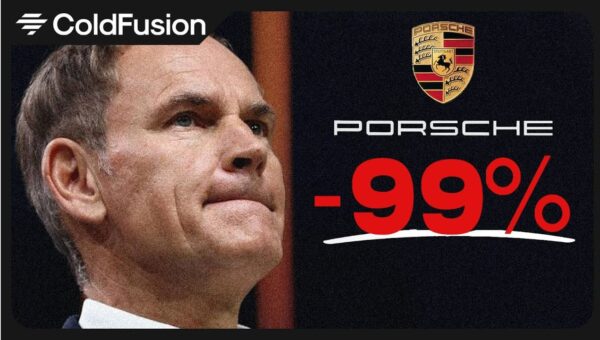
Porsche’s Profit Plunge: A Business Model in Crisis
Porsche's operating profit has plummeted by 99%, signaling a crisis for its long-standing business model. The luxury automaker faces challenges from shifting market demands, intense EV competition, and the high costs of electrification, forcing a strategic recalibration.


Used EVs Offer Strong Value Proposition for Consumers
Consumers are finding significant value in the used electric vehicle market, with some models like older Teslas retaining their value remarkably well. This trend offers a compelling alternative to purchasing new vehicles, highlighting the long-term cost-effectiveness of pre-owned EVs.


Tesla Slashes Prices, Making Model 3 More Accessible
Tesla has introduced a more affordable rear-wheel-drive Model 3, significantly lowering the barrier to entry for its popular EV. This move comes as European EV sales surge, highlighting the growing demand for electric mobility.