EU Rebuke: Ukraine-Hungary Oil Spat Escalates Over Russian Crude
The European Commission has condemned Ukrainian President Zelenskyy's threats against Hungarian Prime Minister Orbán amid a dispute over Russian oil deliveries via the Druzhba pipeline. Hungary's blocking of crucial EU aid to Ukraine, coupled with a recent seizure of Ukrainian cash and gold by Hungarian authorities, has escalated tensions between the two nations.

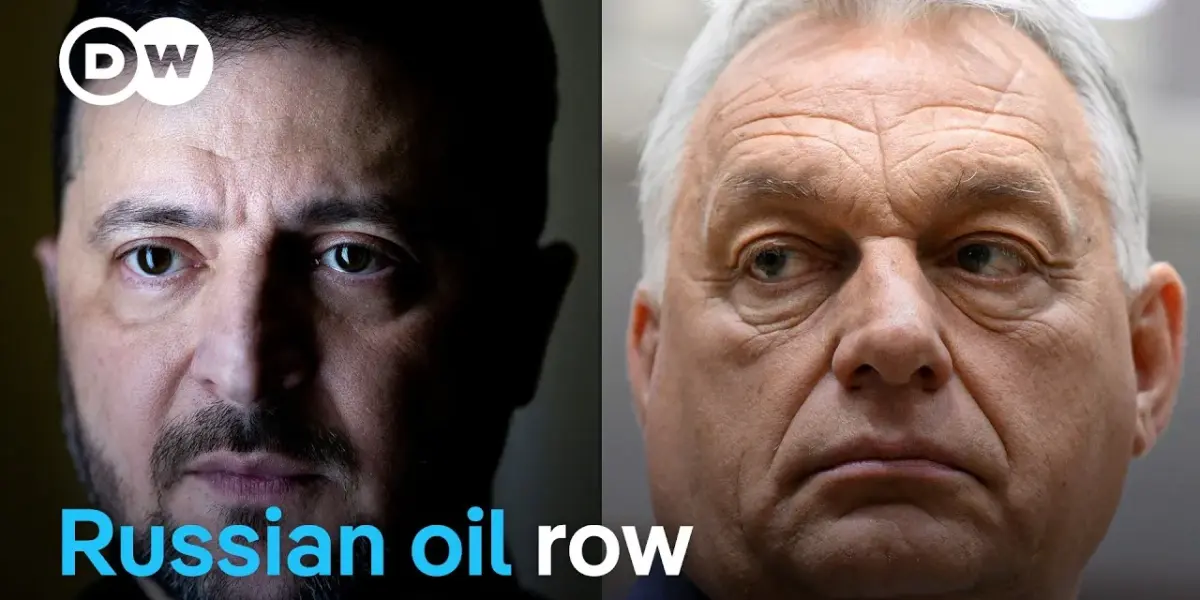
EU Commission Condemns Zelenskyy’s Threats Against Hungary
The European Commission has publicly rebuked Ukrainian President Volodymyr Zelenskyy for issuing what it termed “direct and personal threats” against Hungarian Prime Minister Viktor Orbán. The Commission stated that the Ukrainian president’s suggestion of using “physical force” against the leader of an EU member state was “unacceptable.” This strong condemnation comes amid a deepening dispute between Kyiv and Budapest, primarily centered on Hungary’s continued reliance on Russian oil and its obstruction of a significant EU financial aid package for Ukraine.
The 90 Billion Euro Aid Stalemate
Prime Minister Orbán has been blocking a crucial 90 billion euro loan intended to support Ukraine as it defends itself against the ongoing Russian invasion. President Zelenskyy, in a pointed statement, expressed hope that “one person in the European Union will not block the 90 billion euro and that Ukrainian fighters will receive weapons.” He then added a veiled threat, suggesting that otherwise, Ukraine would “give this person’s address to our guys so they can call him and speak to him in their language.” This rhetoric has drawn a sharp response from Brussels, which aims to maintain unity among member states in supporting Ukraine.
Cash and Gold Seizure Fuels Tensions
Adding another layer of complexity to the deteriorating relationship, Hungarian authorities recently arrested seven Ukrainian nationals. The individuals were reportedly carrying approximately $82 million in cash and gold, traveling in two armored vehicles from Austria to Ukraine. Ukrainian officials claim these individuals were employees of the state-owned Oschad Bank and that the cash transport was part of routine banking operations. Oschad Bank confirmed that Hungarian authorities seized $40 million, $35 million, and 9 kilograms of gold. However, Budapest suspects the detainees of money laundering, and Kyiv has accused Hungary of taking them hostage, further inflaming the situation.
The Druzhba Pipeline Dispute: Russian Oil at the Core
The crux of the ongoing conflict between Kyiv and Budapest lies in Hungary’s access to Russian oil via the Druzhba pipeline, which transits through Ukrainian territory. Deliveries through this vital artery were halted in late January. Ukraine attributes the stoppage to a Russian drone strike that damaged the pipeline’s infrastructure. Kyiv argues that repairing the damage would endanger Ukrainian technicians and that the route remains vulnerable to future attacks. Budapest, however, remains unconvinced, accusing Ukraine of deliberately obstructing the flow of Russian crude oil and threatening retaliatory measures until the supply is restored.
EU’s Difficult Position on Russian Oil
The situation places the European Union in a precarious position. While the EU has officially moved to reduce its dependence on Russian fossil fuels as a sanction against Moscow’s invasion of Ukraine, Hungary has consistently pushed back. Budapest claims that, for economic and infrastructure reasons, Russian oil remains essential. Despite the broader EU trend of phasing out Russian energy, Hungary has made limited efforts to diversify its supply. The EU Commission, therefore, finds itself in the awkward role of sanctioning Russia while simultaneously calling on Ukraine to repair a pipeline that facilitates Russian oil delivery to a member state.
“The commission spokesperson made it very clear that they are not happy about President Zelenskyy’s comments. They called them unacceptable. They said any threat to any EU member state was something that they would not condone.”
Ference Gal, Brussels Correspondent
Potential EU Levers and Future Scenarios
Brussels faces a challenge in pressuring Hungary, as many of the EU funds typically available for leverage are already frozen due to ongoing rule of law concerns in Hungary. Experts suggest the EU might need to offer concessions to Budapest to resolve the pipeline dispute and unblock aid to Ukraine. Potential outcomes include Ukraine successfully repairing the pipeline, leading Hungary to lift its veto, or the EU approving a significant defense loan for Hungary, which could shift Budapest’s stance. The Commission has stated it is actively working on a solution, though the exact path forward remains unclear.
A Complex Geopolitical Energy Landscape
The dispute over Russian oil is occurring against a backdrop of global energy market volatility, exacerbated by conflicts in the Middle East. Dr. Benjamin L. Schmidt, a former European energy security advisor to the U.S. State Department, highlighted that Russia has a history of weaponizing energy resources. He noted that the targeting of the Druzhba pipeline, ostensibly by Russia, could be seen as an attempt to create rifts between European nations at a critical juncture. Schmidt also pointed out that while Ukraine is attempting to be a reliable energy partner for Europe, it faces immense pressure from its own war and geopolitical maneuvering by countries like Hungary.
Looking Ahead: Energy Security and EU Unity
As tensions simmer between Ukraine and Hungary, the focus remains on the EU’s ability to maintain unity and effectively support Ukraine’s defense efforts. The resolution of the Druzhba pipeline dispute and the unblocking of the 90 billion euro aid package will be critical indicators of the EU’s diplomatic strength. Furthermore, the broader implications for European energy security and the ongoing efforts to decouple from Russian fossil fuels will continue to be closely watched in the coming months.
Source: Why Ukraine and Hungary are fighting over Russian oil | DW News (YouTube)

Related Articles
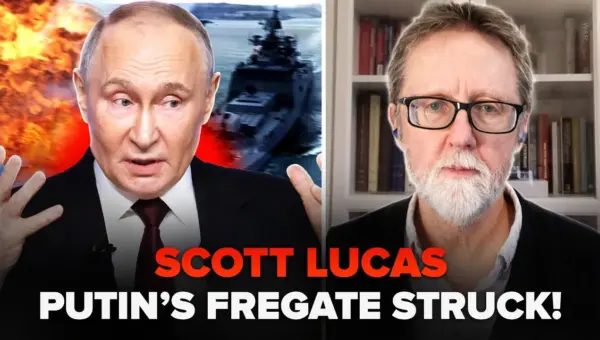
Ukraine Strikes Russian Warship, Offers Drone Tech Amid Global Tensions
Ukraine has struck a Russian warship and is offering its drone interceptor technology globally, positioning itself as a key player in Middle East defense. This comes as global powers navigate complex geopolitical tensions involving Russia, Iran, and the U.S., with Ukraine seeking to leverage its military advancements for future security guarantees.
MH17 Journalist: ‘I Knew Who Did It’ – Russia’s Lies Exposed
Italian war correspondent Lorenzo Cremani shares his harrowing firsthand account of the MH17 crash site and a Russian soldier's confession that exposed Moscow's role. Cremani details Russia's subsequent disinformation campaign and draws parallels to current geopolitical strategies.
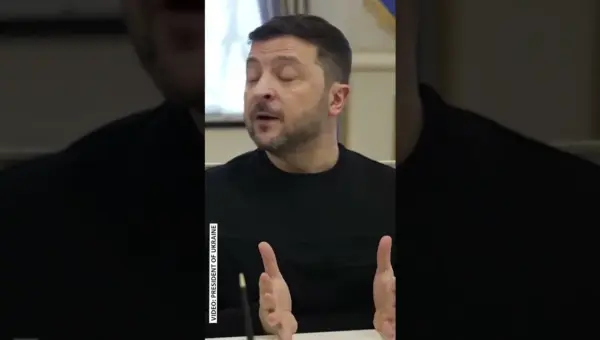
Zelensky’s Bold Stance: Refuses Russian Oil, Warns EU Blocker
Ukrainian President Volodymyr Zelensky has publicly refused Russian oil, citing ethical principles and the ongoing aggression against his country. He also issued a stark warning to any EU official blocking vital weapons aid, threatening to expose their address to the Ukrainian armed forces.