EU Official Rejects Trump’s NATO Criticism Amid Global Crises
EU High Representative Kaja Kallas refuted former U.S. President Donald Trump's criticisms of NATO, calling them "not correct" amid ongoing global crises. She emphasized the interconnectedness of conflicts in Ukraine and the Middle East, stressing the need for continued support for Ukraine and diplomatic solutions.

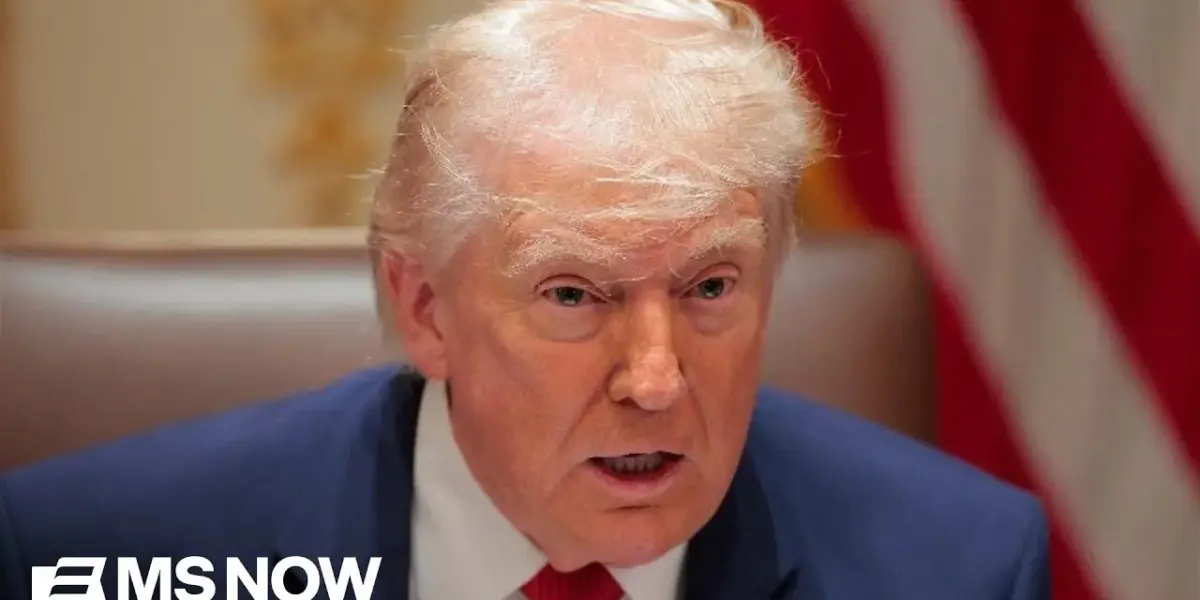
EU Diplomat Defends NATO’s Role Amid Geopolitical Tensions
Brussels – A top European Union diplomat has strongly refuted claims made by former U.S. President Donald Trump regarding NATO’s effectiveness and commitment to its allies. Kaja Kallas, Vice President of the European Commission and EU High Representative for Foreign Affairs, stated that accusations of NATO being unprepared and unsupportive are “not correct.” Her remarks come as the world grapples with escalating conflicts in the Middle East and ongoing war in Ukraine, issues that Kallas sees as deeply interconnected.
Interlinked Conflicts Demand Unified Response
Speaking on the current global situation, Kallas highlighted the complex links between the conflicts in the Middle East and Ukraine. “We want to find off-ramps for these wars,” she explained. European leaders, including Germany’s Defense Minister, have previously warned of the severe economic consequences of these conflicts, calling the situation a “catastrophe for the world’s economies.” Kallas emphasized that these global events require a coordinated approach, stressing that neither conflict can be ignored.
Concerns Over Weapons Diversion to Middle East
Reports have emerged suggesting the Pentagon might divert weapons intended for Ukraine to the Middle East. While the Department of Defense has stated that U.S. forces and allies will have necessary weaponry, Kallas voiced significant concerns about such a move. “It’s definitely important that those promises that have been given to Ukraine regarding the weapons and their defense… are delivered to them,” she asserted. Ukraine faces daily attacks from thousands of drones and missiles, with Russia targeting civilians and infrastructure. Kallas warned that allowing Ukraine to falter would be a grave mistake, especially given Russia’s alleged support for Iran in providing drones for attacks in the Middle East.
Diplomatic Solutions and Pressure on Russia
Kallas outlined a clear strategy: “We need to put pressure also on Russia. We should also see that they don’t have the revenues to fund this war and help with Iran.” She expressed hope that U.S. Secretary of State Antony Blinken, expected at an upcoming summit, would bring clarity on potential diplomatic solutions. “We need to really hear what could be the off-ramp, how we can help also the U.S. to exit and then this war,” Kallas stated, referencing the devastating global economic impact. While direct talks with Blinken had not yet occurred, Kallas confirmed ongoing discussions with regional partners to mediate a diplomatic solution between Iran and the United States, emphasizing that stability in the region relies on such diplomatic efforts.
Trump’s Criticism of NATO Dismissed
Former President Trump recently criticized NATO, calling it “small potatoes” and expressing disappointment that the alliance was not more involved in the Middle East conflict. He argued that the U.S. spends trillions protecting Europe and that NATO allies were not there for the U.S. Kallas directly addressed these remarks, explaining NATO’s established procedures. “In NATO, we have clear procedures. There’s Article 4 where you start the consultations when there is an attack on one member. And then there’s Article 5,” she said. Kallas pointed out that Article 5, the collective defense clause, has only been triggered once in NATO’s history, at the request of the United States after the 9/11 attacks, with all member countries supporting the U.S. in subsequent conflicts. She also noted that many NATO member states are currently assisting Gulf countries with air defense and providing aid to help defend American bases in the Middle East. “So this is not really, I mean, these accusations are not really correct,” Kallas concluded.
Freedom of Navigation and Potential European Actions
Regarding the ongoing disruptions in the Strait of Hormuz, Kallas stressed the necessity of a diplomatic solution. “If you look at the map, it’s clear that this is a very, very narrow. And there has to be freedom of navigation.” The EU is working with partners around the Persian Gulf to ensure ships can pass. While acknowledging the presence of EU ships in the Red Sea to maintain open trade routes, Kallas indicated that military action is not the primary approach. “In terms of sending really ships to the area, like military ships, and right now our ships are in the Red Sea,” she stated, adding that the EU would also need to monitor potential Houthi involvement in the conflict and ensure freedom of navigation through the Red Sea.
Future Outlook
As global leaders continue to navigate the complex geopolitical landscape, the focus remains on de-escalation and finding sustainable diplomatic solutions. The effectiveness of international alliances like NATO and the commitment of member states to collective security will continue to be tested. Europe’s stance emphasizes a preference for diplomatic engagement and economic pressure, while remaining vigilant against further escalation and ensuring the safety of crucial international trade routes.
Source: 'These accusations are not correct': EU diplomat knocks Trump's comments on NATO (YouTube)

Related Articles
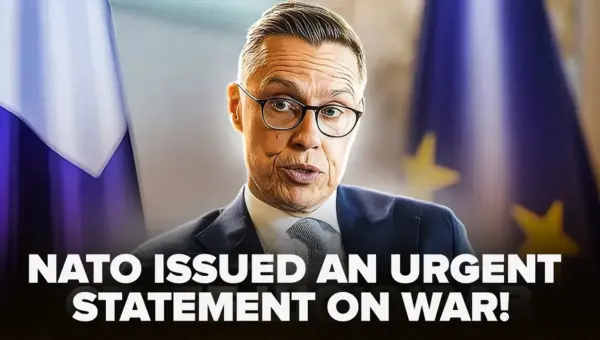
Ukraine Strikes Russian Oil Refinery, Eyes Iran Threat
Ukrainian forces struck a key Russian oil refinery, disrupting Moscow's war capabilities. Meanwhile, Finland's president urged continued U.S. support for Ukraine, as Kyiv shares its air defense expertise globally amid growing geopolitical complexities involving Iran and potential sanctions against Hungary.

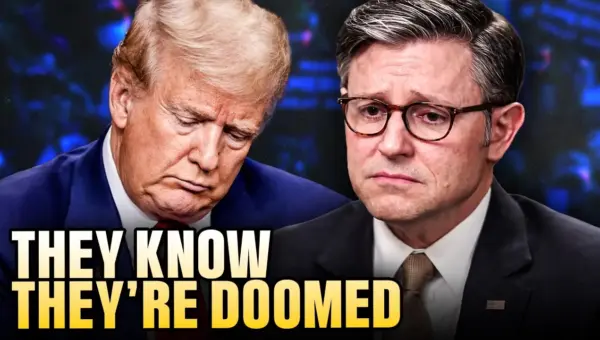
Polls Spell Doom: Republicans Face Voter Backlash
New polling data reveals a sharp decline in public confidence regarding the economic impact of Republican policies, particularly under Donald Trump. A significant majority now feel financially worse off, a trend that is especially pronounced among independent voters. This economic discontent poses a major challenge for the Republican party heading into future elections.
Iran Missile Strikes Injure US Troops, Raise War Concerns
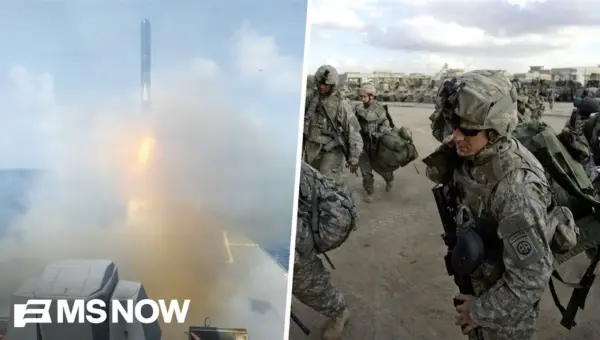
Iranian missile strikes have injured U.S. service members, escalating tensions as the conflict nears one month. The attacks are raising concerns about the effectiveness of U.S. military strategy and the depletion of crucial missile stockpiles. Global oil prices have surged, impacting economies worldwide.