EU Eyes Fuel Cuts Amid Strait of Hormuz Crisis
European Union energy ministers met urgently to address soaring fuel prices and potential supply disruptions caused by tensions in the Strait of Hormuz. Experts suggest measures to reduce demand, while reserves and diplomatic efforts are key to navigating the crisis.

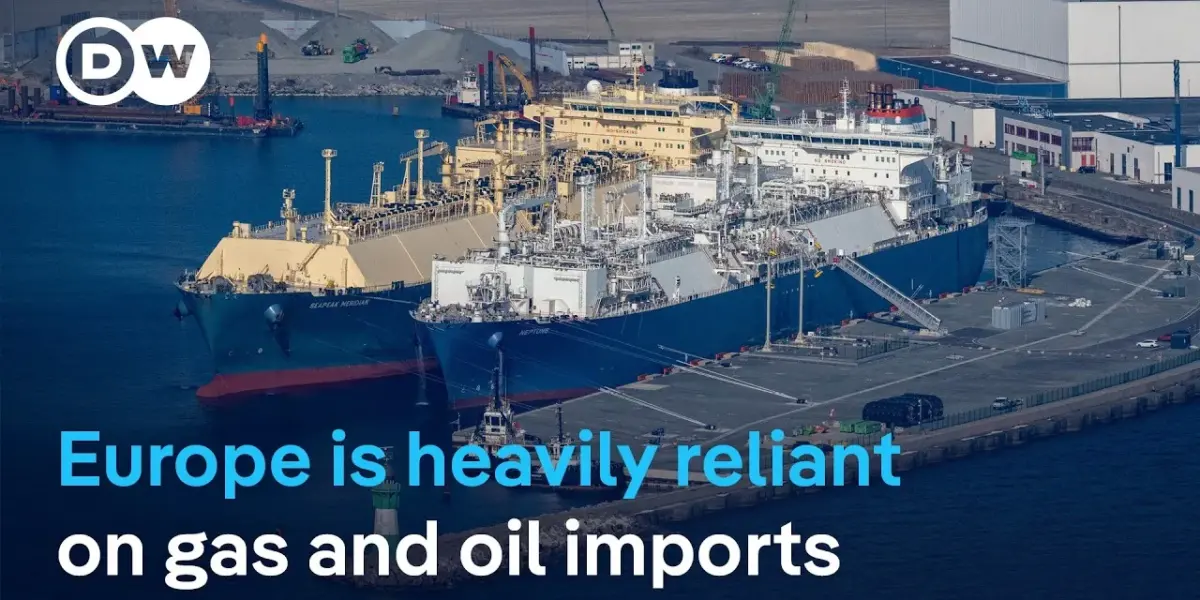
EU Leaders Meet to Address Soaring Fuel Costs
European Union energy ministers convened for an urgent meeting this week to confront a growing energy crisis. The situation has led to significant price hikes for gas and oil across member states. The EU’s energy commissioner warned of potential prolonged supply disruptions, urging countries to take steps to reduce domestic fuel demand.
Oil and Gas Prices Surge Amid Mideast Tensions
The crisis began with rising tensions in the Middle East, particularly concerning the Strait of Hormuz, a vital shipping route for oil. Prices for natural gas in the EU have jumped approximately 70%, while oil prices have climbed by 60%. In just 30 days, these increases have added an estimated 14 billion euros to the EU’s fossil fuel import bill.
“It’s obvious that when we are in a situation that might worsen where indeed demand reduction is necessary, I very much encourage member states to take that into consideration when applying different crisis measures,” the EU’s energy commissioner stated.
Economists Suggest Demand Reduction Strategies
Economists suggest that governments might consider measures to limit fuel consumption. These could range from making public transport free, as some countries have already done, to more restrictive options. Historically, during past crises, measures like restricting car usage based on license plate numbers were implemented.
However, economists often prefer market-based solutions. Letting prices rise naturally encourages consumers to use less fuel. This approach was successfully used by the EU in 2022-2023 after Russia cut gas supplies following its invasion of Ukraine. During that period, government transfers helped consumers cope with high prices, acting as an economic incentive rather than a direct government mandate.
Current Situation Less Severe Than 2022 Gas Crisis
While the current situation is described as precarious, experts note that the price increases are not as extreme as those seen in 2022. At that time, gas prices soared by 600-700%, compared to the current 70% rise in gas and 60% in oil.
The EU relies heavily on imports for its energy needs. Approximately 95% of its oil is imported, with this figure dropping to about 70% when including major non-EU producers like Norway and the UK. Member states are required by law to maintain strategic reserves, holding at least 90 days’ worth of average imports in storage for emergencies.
A small portion of these strategic reserves was released recently. Experts believe these remaining reserves, if used wisely and if further damage to oil infrastructure is prevented, could help the EU navigate the current crisis for the next two to three months.
Comparing Energy Shocks: Pandemic, Ukraine, and Current Crisis
The current energy challenges are being compared to the shocks experienced during the COVID-19 pandemic and Russia’s invasion of Ukraine. However, experts point out key differences.
The pandemic caused a demand collapse because people were physically unable to drive or consume fuel, even though supply was abundant. The situation after Russia’s invasion involved consumers avoiding Russian oil, but the global market still had enough supply, with other countries like China and India stepping in to buy it.
The current crisis is different because consumers want to buy, and producers want to sell, but there is a physical disruption to supply. This makes the oil market tight, and the missing oil is not easily replaced in the long term. The primary solutions involve reducing demand through high prices or government orders, finding alternative supplies, or resolving the blockage in the Strait of Hormuz.
Fear of Escalation Looms Over Markets
A significant factor causing market anxiety is the uncertainty of future events. Fears persist about potential further damage to ships or oil production facilities. There is also concern that Houthi rebels could damage critical pipelines, potentially doubling the impact of current disruptions.
One analyst noted, “This is a war. If Iran doesn’t lose, it wins and the US loses if it doesn’t win. And so that can go on for quite some time and that has markets on edge.”
Jet Fuel Shortage and Low Gas Storage Concerns
Beyond oil, aviation analysts warn of a potential shortage of jet fuel in less than a week, which could significantly impact Europe. This adds another layer of urgency to the energy security discussions.
Adding to the concerns, European natural gas storage levels are critically low. Across the EU, storage is around 28% full, with specific countries like Germany at 22% and the Netherlands at only 6%. These low levels are particularly worrying as Europe heads towards periods of higher energy demand.
US as a Supplier and Diplomatic Efforts
The possibility of European countries buying more oil from the United States has been raised. While the US is a significant global energy supplier and has been a crucial partner for the EU, especially after Russia’s invasion of Ukraine, there are limits to how much additional supply can be provided quickly.
Experts emphasize the need for “vigorous energy diplomacy.” This involves engaging with the US, Middle Eastern partners, and other countries worldwide, similar to efforts made in 2022 to secure Liquefied Natural Gas (LNG) deals with Qatar.
Sanctions Waivers and Alternative Strategies
One controversial suggestion discussed involves waiving sanctions on Russia’s “shadow fleet” of oil tankers. However, many view this as a potentially disastrous move, both morally and for national security, especially while Russia continues its war in Ukraine. Ukraine has been targeting Russian energy infrastructure to limit its revenue.
If such waivers are not pursued, the focus remains on intensive energy diplomacy with Gulf partners. Some analysts suggest the possibility of a joint task force to help clear the Strait of Hormuz. The resolution of the conflict involving Iran is seen as key to overcoming the current crisis.
Looking Ahead: Protracted Crisis Possible
The current situation is being compared to the 1970s oil crisis, but potentially with greater impact. How long the crisis in Iran lasts and how long the Strait of Hormuz remains difficult to navigate will largely determine the severity and duration of the energy challenges facing Europe.
Countries like Saudi Arabia are reportedly exploring ways to move oil to the Red Sea coast as an alternative route. The coming weeks will be crucial in determining Europe’s ability to manage its energy supply and demand amidst these complex geopolitical and logistical challenges.
Source: What measures could EU countries consider to reduce fuel demand? | DW News (YouTube)

Related Articles
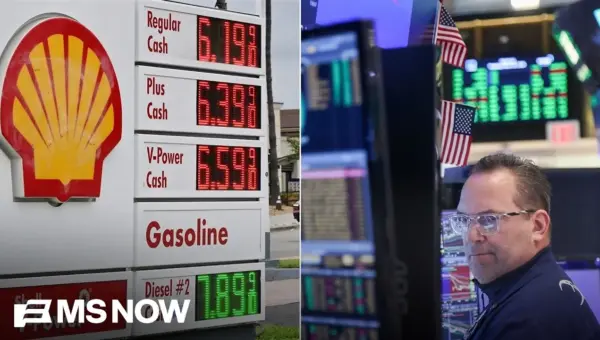
Stocks Surge as Iran War Hopes Rise, But Oil Crisis Looms
Stocks rallied significantly on hopes of an end to the Iran conflict, but experts warn the oil market crisis is far from over. Despite the market's optimism, economists and business leaders are concerned that high oil prices could still trigger a recession and impact consumer costs for months to come.


Trump’s Allies Reject Mideast War Demands, Seek Distance
President Trump's allies are distancing themselves from a Middle East conflict, with Spain and Italy denying U.S. warplanes access. Trump is urging allies to act independently, while his administration's shifting war aims and contradictory policies fuel distrust.


Trump Signals Surrender in Iran Standoff, Critics Say
President Donald Trump is reportedly preparing to withdraw U.S. forces from Iran, marking a significant shift from his initial demands for "unconditional surrender." Critics argue that the operation, which saw shifting objectives from reopening the Strait of Hormuz to abandoning the goal of preventing Iran's nuclear program, has ended with no tangible gains.