EU Approves Mercosur Trade Deal Amidst Legal Scrutiny
The European Union has provisionally applied its landmark free trade deal with Mercosur, despite ongoing legal review by the European Court of Justice. The agreement, finalized after 25 years of negotiations, faces internal EU opposition, particularly from France, over concerns for its agricultural sector.

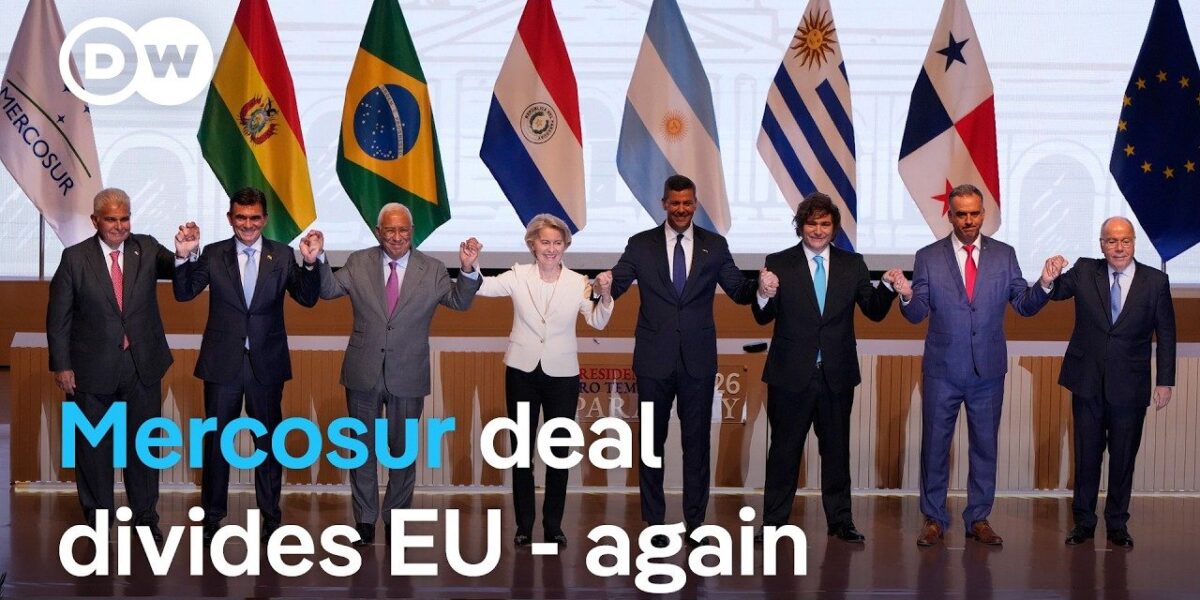
EU Moves Forward with Mercosur Trade Pact Despite Legal Doubts
Brussels – The European Union has decided to provisionally apply its long-anticipated free trade agreement with the South American bloc Mercosur, signaling a significant step forward for the deal after 25 years of complex negotiations. This move comes even as the European Court of Justice (ECJ) undertakes a review of the agreement’s legality, a process that could extend for up to two years. The provisional application allows for the immediate implementation of many of the deal’s provisions, aiming to lower tariffs and stimulate trade between the EU and the Mercosur member states: Argentina, Brazil, Paraguay, and Uruguay.
A Tumultuous Journey to Provisional Application
The path to this point has been anything but smooth, resembling what DW’s Brussels correspondent Tessa Va described as a “soap opera.” The agreement, initially signed in January, faced immediate challenges. While Germany has been a strong proponent, France has voiced significant opposition, citing concerns that the deal could expose European farmers to unfair competition. French President Emmanuel Macron expressed his displeasure, calling the provisional application a “bad surprise” and a “discourteous way of doing business.” He vowed vigilance to ensure that negotiated protections remain in place.
“This came as a surprise and an unwelcome one and for the European Parliament, it’s a discourteous way of doing business,” Macron stated. “In any case, as far as we’re concerned, we will remain vigilant and we’ll ensure that what we have fought hard to negotiate over these past few months is respected.”
The European Parliament’s decision to send the deal to the EU’s top court for review created further uncertainty. “There was a lot of turmoil here in Brussels,” Va reported. However, the European Commission ultimately decided to proceed with provisional application once Mercosur countries began their own ratification processes. This decision was seen as an effort to demonstrate the EU’s commitment and avoid appearing indecisive after years of deliberation.
Understanding Provisional Application
The provisional application means that the trade deal is now in effect, allowing signatory countries to benefit from its terms while the ECJ deliberates. This is not unprecedented for international agreements, providing a mechanism to move forward without waiting for the full, lengthy legal review. “This means that this provision is in place and as we heard it might take to two years for the ruling to come through,” Va explained. “But this is actually not the first time such a provisional application is taking place here for international deals.”
Experts consulted by DW are not anticipating that the ECJ will strike down the entire deal. Instead, they expect potential legal amendments or adjustments to safeguards, particularly concerning protections for European farmers, which has been a key point of contention for France. “What we also see is still these safeguards that have put been put in place. So some of these safeguards could also change, meaning that farmers might find a different regulation for them to protect them better. But this is probably a set deal and here to stay,” Va noted.
Geopolitical and Economic Imperatives Driving the Deal
The renewed push for the Mercosur deal highlights a significant shift in the EU’s trade strategy, driven by a challenging global economic landscape. With sluggish growth in Europe and increasing unreliability from traditional partners like the United States, the EU is actively seeking new trading avenues. “When we look at the economic situation of Europe in recent years, it’s been quite a bleak picture. Growth has been sluggish and longlasting trade partners that we’ve had for years like the United States are partners that we can’t rely on any longer,” Va observed.
This new dynamic has also empowered Mercosur countries, who realize the EU’s growing need for new partnerships. The agreement offers tangible benefits for both sides. For the EU, Brazil’s significant reserves of rare minerals present a crucial alternative to current reliance on China, a country with which the EU faces complex geopolitical rivalries. “Brazil has rare minerals that Europe is very interested in. So for now, they are mainly importing them from China, which is a complicated issue if you also have a rivalry going on with this country,” Va elaborated.
European automakers, particularly German manufacturers, are also looking to the Mercosur market as a vital new outlet for their vehicles. Recent years have seen difficulties in selling cars in the US and China, making the growing middle class in South America an attractive prospect. “European but mainly German car makers are really hopeful to find new markets. They had a hard time selling their cars in the US and in China especially in recent years and there’s a growing middle class in South America that they want to use as a new market,” she added.
Internal EU Divisions and Future Outlook
The deal’s provisional application has starkly illuminated the internal divisions within the EU, particularly between economic powerhouses Germany and France. While Germany champions the deal for its economic potential, France remains concerned about its agricultural sector. This divergence underscores the ongoing challenge of balancing diverse national interests within the bloc’s trade policy.
Despite the legal review and French reservations, the provisional application suggests a strong political will to move forward. The coming years will be crucial in observing how the ECJ ruling impacts the agreement and how effectively the EU and Mercosur can navigate the complexities of this newly forged trade relationship. The potential economic benefits, coupled with shifting geopolitical alliances, indicate that this deal, however contentious, is likely to shape transatlantic trade for the foreseeable future.
Source: Will Europe finally get its act together on a Mercosur deal? | DW News (YouTube)

Related Articles

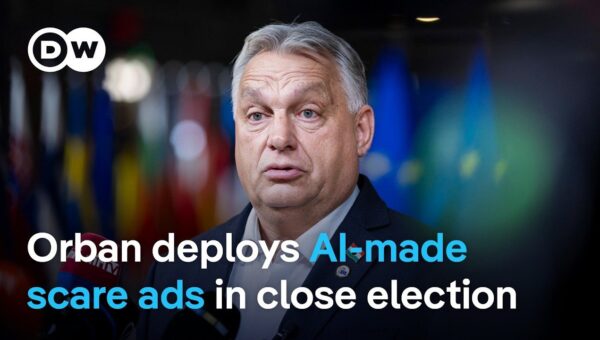
Hungary Election: AI Fuels Orban’s War-Peace Narrative
Hungary's election campaign is increasingly dominated by AI-generated political ads, particularly from Prime Minister Viktor Orbán's party, which is using emotionally charged videos to promote a 'war vs. peace' narrative. Experts warn that AI significantly amplifies misinformation and poses a growing threat to democratic integrity, with regulatory challenges mounting.
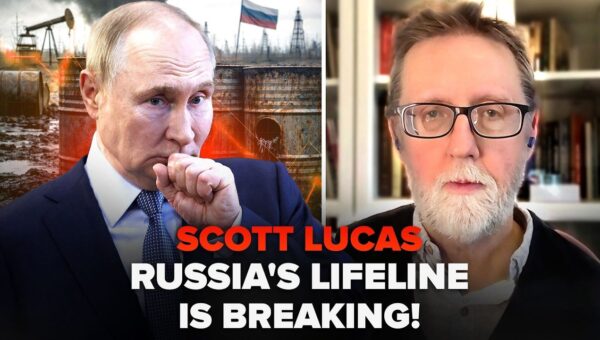
Putin’s War Chest Drained: Russia’s Oil Revenue Plummets
Russia's oil revenues have plummeted to alarming lows due to sanctions and the impending EU embargo, raising questions about the sustainability of its war in Ukraine. Experts express skepticism about swift peace, citing Kremlin demands for surrender and a continued focus on military objectives. The situation is further complicated by internal divisions within the U.S. administration regarding foreign policy and military aid.


China’s Industrial Threat Looms Larger Than Trump’s for Germany
Germany faces a significant industrial threat from China, which is seen as more critical than potential trade issues with the US. While China's economic expansion challenges core German industries, exports to the US and other European nations remain larger than those to China, highlighting a need for balanced trade perspectives.