Estonia’s 17km Ice Road Reopens, Connecting Islands
For three weeks this February, Estonia's Baltic Sea froze over, allowing a rare 17km ice road to connect Saaremaa and Hiiumaa islands. This vital winter route facilitated essential errands, commerce, and supported the island's crucial fishing industry before the ferry resumed normal operations.

Estonia’s Frozen Link: 17km Ice Road Connects Islands
TALLINN, Estonia – For a fleeting period each winter, when the Baltic Sea freezes solid, western Estonia gains an extraordinary new artery: a 17-kilometer ice road connecting the islands of Saaremaa and Hiiumaa. This rare natural phenomenon, which opened for just three weeks this February, provides a vital, albeit temporary, transportation link for islanders, facilitating essential errands, commerce, and maintaining the delicate economic balance of these remote communities.
A Rare Opportunity for Islanders
The emergence of the ice road is a rare occurrence, dependent on specific, prolonged freezing conditions in the Baltic Sea. When declared safe by Estonian authorities, the frozen expanse is treated as a public road, complete with traffic laws and specialized speed limits designed to prevent dangerous vibrations that could compromise the ice’s integrity. For residents like those in Sõru on Hiiumaa, the ice road represents a significant convenience.
“I have a work errand. It’s faster depending on how fast you drive,” shared one islander, highlighting the time-saving aspect of the route. Another noted the improved access to goods: “I need to buy clothes for the kids and things like that.” When asked about the availability of products, they confirmed, “Yes, of course. There’s not much here.” This underscores the limited retail options on the islands and the importance of mainland access, even for basic necessities.
Ensuring Safety on the Ice
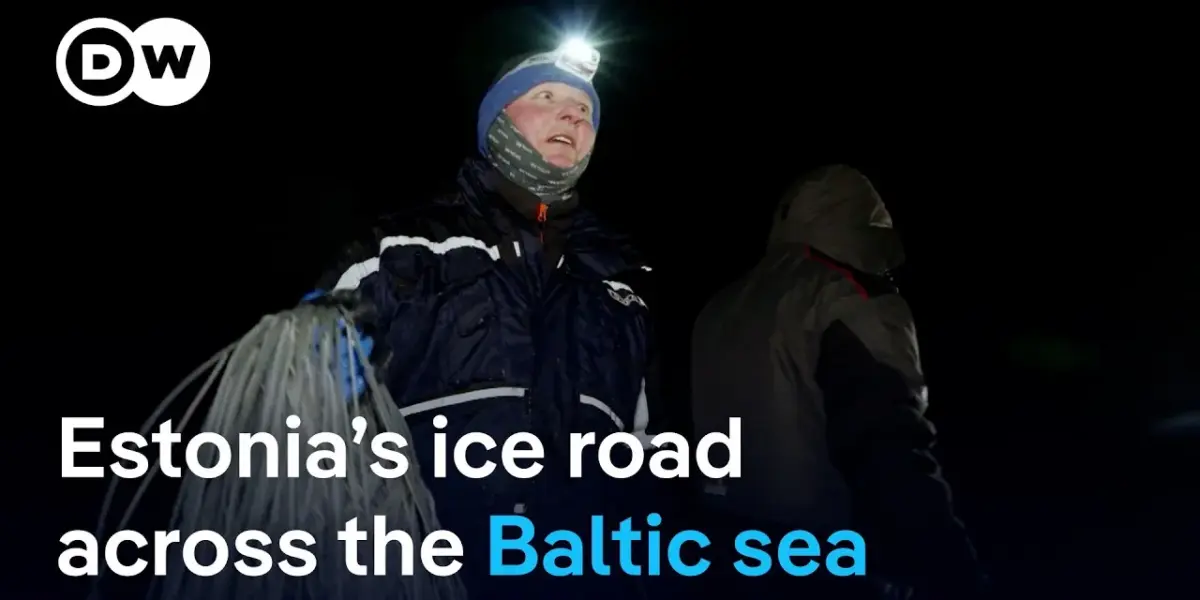
The opening of the ice road is not taken lightly. Safety is paramount, with daily inspections conducted by local authorities and residents. “Every morning, people from Sõru come here and I go there. We inspect the ice, check for cracks, and make sure everything’s under control,” explained an inspector, emphasizing the rigorous monitoring required to keep the route open and safe for travel.
Special speed limits are enforced not just for safety but also to protect the ice itself. Excessive speed can create wave-like vibrations that weaken the frozen surface, posing a significant risk to vehicles and their occupants. The careful management of this natural road ensures it remains a viable, albeit temporary, lifeline.
A Lifeline for Fishing and Commerce
The Baltic Sea is not merely a body of water for the inhabitants of Saaremaa and Hiiumaa; it is the lifeblood of their economy. Fishing and fish processing are cornerstone industries, supporting generations of families. For generational fisherman Imre Ki, the ice road is more than a winter shortcut; it is a critical link that sustains his livelihood and connects his island business to the mainland market year-round.
“We don’t get this ice road very often. It’s been many, many years since the ice has been good enough to drive on. So, after such a long time, it’s pretty great.”
Ki’s sentiment reflects the unique value of this natural phenomenon. The ability to transport fresh catches and processed goods directly to the mainland market without the delays associated with ferry schedules is invaluable for maintaining the quality and profitability of his business. The swift movement of perishable goods ensures that island specialties, such as smoked sprats, reach consumers while they are at their freshest.
Generational Ties and a Fisherman’s Dedication
Imre Ki’s connection to the sea and the ice road is deeply personal, forged over a lifetime. He describes his dedication with a touch of wry humor:
“Only fools do this. Really, apart from me, no one else is out here anymore. Normal people don’t do this. Only fools. I guess I was born into this. My whole life, ever since I was a child, I went along when my parents were fishing and working out here.”
This generational commitment highlights the enduring relationship between the islanders and their challenging environment. The ice road, when available, allows this tradition to continue seamlessly, enabling the timely processing and distribution of the day’s catch. “By the next morning, the catch is already being processed on the island. From here, smoked sprats and other local specialities are transported to markets on the mainland. Imre sets out before dawn to deliver the fresh shipment himself.”
The Return of the Ferry
The three-week window of opportunity provided by the ice road concluded as quickly as it began. As temperatures rose and the ice no longer deemed safe for vehicular traffic, the natural route ceased to function. Normal operations have since resumed, with the ferry once again becoming the primary mode of transport for people and goods across the Baltic Sea between Saaremaa and Hiiumaa. While the ferry provides a reliable year-round service, the brief existence of the ice road serves as a powerful reminder of the unique challenges and opportunities presented by Estonia’s winter climate and its impact on island life.
Looking Ahead
The reopening of the ice road is a testament to the resilience and adaptability of the island communities in western Estonia. As climate patterns evolve, the frequency and duration of such natural routes may become less predictable. Future winters will be watched closely to see how often this extraordinary natural road will facilitate connections, underscoring the ongoing interplay between nature, technology, and human ingenuity in maintaining vital links for remote populations.
Source: Estonia’s 17km ice road offers a vital winter route for islanders and fishermen | Focus on Europe (YouTube)

Related Articles
Russia Targets Estonia With Disinformation in Border City
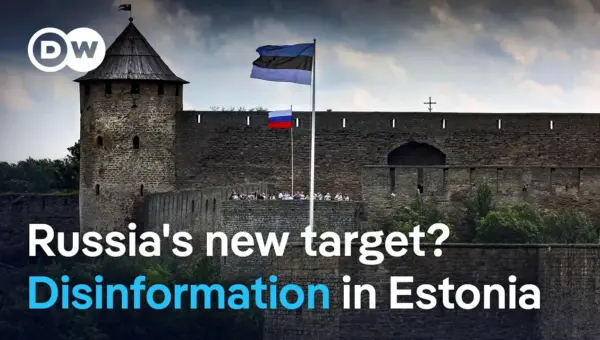
Russia is reportedly conducting a disinformation campaign targeting Estonia's border city of Narva, aiming to sow discord among its Russian-speaking population. The online operation promotes separatist ideas, though residents largely dismiss the claims as fake. Estonian authorities view the campaign as a low-cost effort to undermine trust, with no concrete evidence of direct Russian government involvement.


Ukraine Strikes Russian Baltic Port, Icebreaker
Ukraine struck key Russian Baltic infrastructure, including a unique icebreaker and oil export facilities, while Russia launched massive aerial assaults. These actions highlight a widening conflict encompassing logistics, energy, and diplomacy.
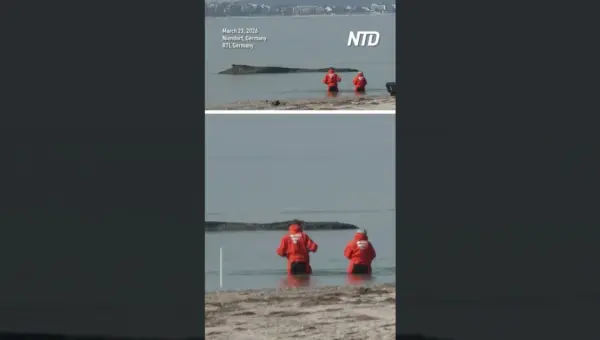
Whale Rescue Fails: Stranded Mammal Dies on German Coast
A whale stranded on a sandbank off Germany's Baltic Sea coast died despite rescue efforts. The incident highlights the challenges of saving large marine mammals and the threats they face from human activity and environmental changes.