Estonia Defense Minister Responds to Trump’s NATO Ultimatum
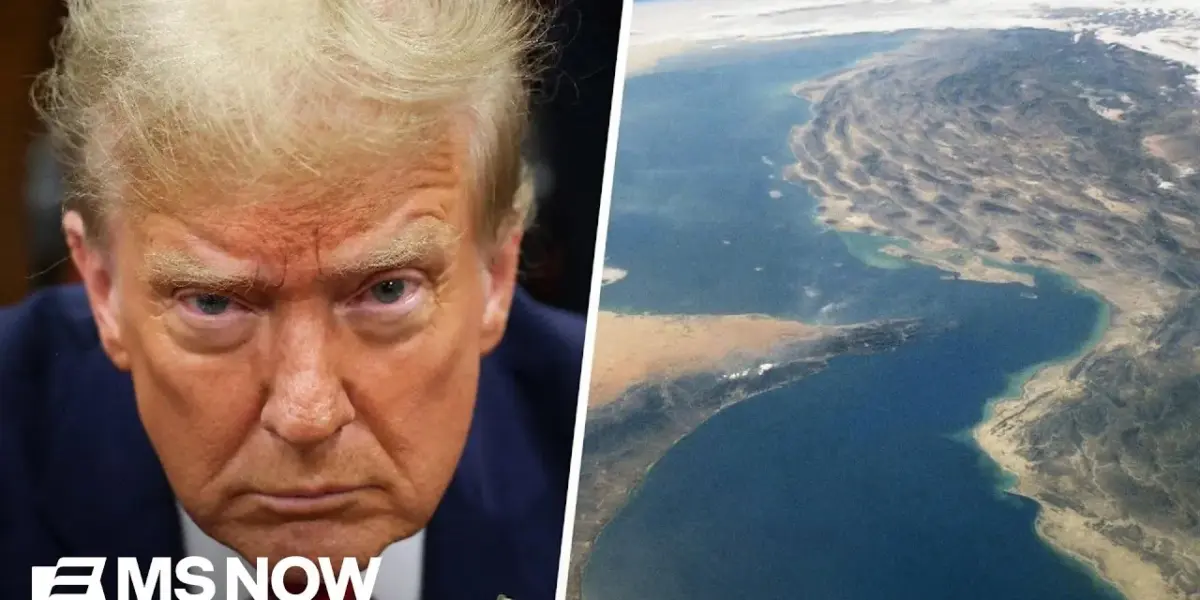
Estonia's Defense Minister Hanno Pevkor addressed Donald Trump's threat to NATO over the Strait of Hormuz, affirming Estonia's strong alliance with the U.S. while awaiting a clear proposal for collective action. Pevkor highlighted how the disruption benefits Russia, fueling its war in Ukraine.

Estonia’s Defense Minister Addresses Trump’s NATO Pressure on Strait of Hormuz
In a candid interview, Estonia’s Defense Minister Hanno Pevkor addressed the recent remarks by former U.S. President Donald Trump, who threatened the future of NATO if member nations did not assist in securing the Strait of Hormuz. Pevkor emphasized Estonia’s long-standing commitment as a U.S. ally, highlighting shared sacrifices in conflicts like Afghanistan and Iraq, while also outlining a measured approach to the complex geopolitical situation involving Iran and the critical shipping lane.
Estonia’s Unwavering Alliance with the U.S.
Responding to Trump’s assertion that NATO allies might not protect the U.S. when needed, Pevkor countered this sentiment by stating, “Estonia has always been a very strong ally also to the United States.” He recalled the joint efforts and significant losses sustained by Estonian soldiers alongside their American counterparts in challenging theaters of operation. “We’ve been together in Afghanistan. We’ve been together in Iraq. We’ve been together in the most toughest regions like Helmand, for instance, and we’ve lost per capita the same amount of people and soldiers as the United States,” Pevkor stated, underscoring a deep-seated commitment to mutual security. He firmly added, “definitely WHEN ONE OF THE ALLIES FEELS THREATENED OR NEEDS HELP, THEN, OF COURSE, ALL THE ALLIES WILL CONTRIBUTE TO each other’s security.”
The Strait of Hormuz: A Collective Concern
The core of Donald Trump’s pressure on NATO revolves around the disruption of shipping through the Strait of Hormuz, a vital chokepoint for global oil and gas transit. Pevkor acknowledged the gravity of this issue, recognizing its impact far beyond U.S. interests. “Strait of Hormuz is definitely an issue for all of us. It’s not only the question of united states and and the farmers of united states which uh we we clearly understand are affected by this,” he explained. The rising oil prices, a direct consequence of the instability, affect European economies as well. “The season is coming so it’s the same also in estonia that the season is coming the oil price is going up and nobody wants to see that,” Pevkor noted. He stressed that addressing this requires a collective approach: “when we want to fight with that and then when we want to be in normal situation again when the oil price is normal then we need to deal with that issue and of course collectively.”
Awaiting a Clear ‘Ask’ from the U.S.
While acknowledging the shared concern, Pevkor indicated that NATO’s direct involvement would depend on a clear proposal from the U.S. administration. “WE HAVE TO SEE IT’S NOT ONLY THE QUESTION OF NATO, U .S. IS ALSO PART OF NATO. WHEN NATO DECIDES TO COLLECTIVELY THAT WE WILL ACT AS NATO, THIS IS ONE THING, BUT WHEN ALLIES WILL DECIDE also together, then this is another option,” he elaborated. The Estonian minister emphasized the need for a defined request: “So let’s see what will be the clear ask from the president of the United States or from the U .S. administration, and then we can make decisions.” He reiterated the overarching goal: “But definitely we are all interested of that, that the Strait of Hormuz will be free for trade.”
Navigating Alliance Dynamics and Broader Implications
The interview touched upon the reservations expressed by some larger NATO members, such as the UK and Germany, who reportedly felt blindsided by Trump’s approach and questioned the alliance’s role in what they perceived as a U.S.-led offensive action. Trump’s stance, suggesting he could act without NATO’s consensus, added another layer of complexity. Pevkor acknowledged that the impact of disrupted trade extends beyond oil, affecting fertilizers crucial for agriculture and potentially leading to food crises. “And to add the fertilizer sand and oil we need to add also the LNG. So that means that All All the energy and also fertilizers are affecting us. As I said, it’s our common concern at the moment,” he stated.
The Unintended Beneficiary: Russia
A significant point raised during the discussion was the geopolitical fallout of the Strait of Hormuz situation, particularly its benefit to Russia. Pevkor articulated a clear concern: “And this has been also here in Washington, one of my messages that actually the one who is benefiting from this situation is actually Russia.” He explained that the elevated oil prices, resulting from the disruption, significantly boost Russia’s budget, providing it with more financial capacity to sustain its war in Ukraine. “They will have a lot of extra oxygen in their budget. So they’ve calculated their budget in this year with the oil price of $40, $50 per barrel. And now it’s doubled. So definitely they will have a lot of new money coming into the budget and they can conduct the war in Ukraine more freely and definitely Russia. Russia is benefiting from this situation,” Pevkor asserted. He concluded this point by linking the resolution of the Middle East crisis to the situation in Ukraine: “So the sooner the situation in Middle East will be settled, the easier it is also for Ukraine.”
Looking Ahead
From Estonia’s perspective, the ongoing conflict in Ukraine remains the paramount concern. Pevkor reiterated the need to support Ukraine effectively, both militarily and in pursuing peace negotiations. The situation surrounding the Strait of Hormuz, while a significant economic and security issue, is viewed through the lens of its broader impact on European stability and, critically, its unintended positive consequences for Russia’s war efforts. As the international community awaits a more defined U.S. strategy and potential NATO collective decision, the intricate web of alliances, economic stability, and ongoing conflicts continues to demand careful navigation.
Source: Estonia Defense Minister reacts to Trump pressuring NATO on Strait of Hormuz (YouTube)

Related Articles
G7 Allies Clash Over Iran War Strategy, Urge Focus on Russia
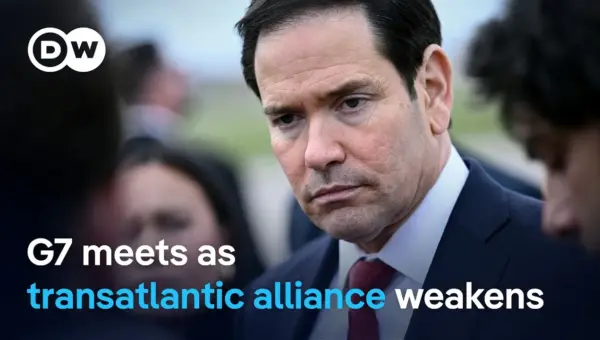
G7 foreign ministers met in Paris, revealing deep divisions over the U.S. war with Iran. European allies urged the U.S. to pressure Russia, linking its actions to the conflict and fearing support for Ukraine will wane.
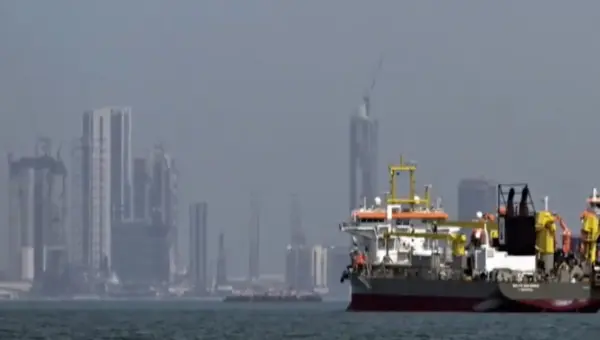
Iran Blocks China Ships, Exposing Beijing’s Weak Grip
Iran's recent decision to block Chinese ships at the Strait of Hormuz is exposing the limits of Beijing's influence in the Middle East. This action is causing delays and cancellations for Chinese manufacturers, turning a perceived geopolitical win into an economic strain.
Rubio: US Can Achieve Iran War Goals Without Troops
Senator Marco Rubio outlined a strategy to counter Iran without deploying U.S. ground troops, focusing on weakening the regime and enhancing maritime security. He also criticized Cuba's economic system and expressed concerns about West Bank violence.