ER Doctor Warns: Hidden Dangers in Your Grill Brush
An ER doctor warns about the hidden dangers of metal wire grill brushes, detailing how detached bristles can cause severe internal injuries. Learn about this and other critical health insights from a pediatric ER physician.

ER Doctor Warns: Hidden Dangers in Your Grill Brush
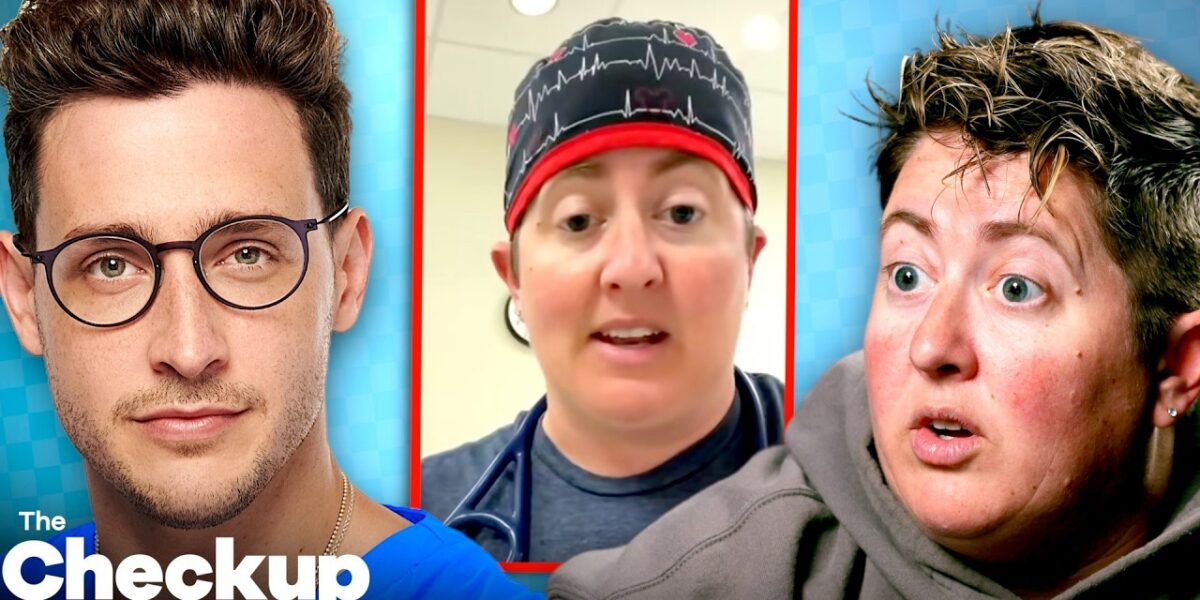
Pediatric Emergency Room physician Dr. Beachgem, a popular online voice known for her candid insights into healthcare and disaster preparedness, shared a critical warning about a common household item: metal wire grill brushes. In a recent interview on the ‘Checkup’ podcast with Dr. Mike, she detailed a harrowing case where a child ingested a piece of a metal grill brush, leading to severe internal complications.
The Hidden Threat of Metal Grill Brushes
Dr. Beachgem explained that the bristles from these brushes can detach during cleaning and become embedded in food. “If you swallow it, it can end up kind of anywhere from your lips, your tongue all the way down,” she stated. The consequences can be severe, with cases reported of bristles lodging in tonsils or intestines, causing significant pain and requiring medical intervention.
She recounted a specific incident where a child presented with ear pain and later developed throat pain and fever. Initial investigations, including imaging, were inconclusive. The child had to seek medical attention multiple times before a CT scan of the neck revealed a lodged piece of metal, likely from a grill brush, causing referred pain to the ear. “It was just lodged kind of down in the tonsil a little bit and referring the pain to the ear, which is wild,” Dr. Beachgem said.
This experience highlights the diagnostic challenges faced in the ER. “The Monday morning quarterback, you know, you had belly pain. But you know, we’re going with the information and the exam we have at the time,” she commented on the difficulty of diagnosing such obscure issues, especially when patients and families may have pre-conceived notions or alternative explanations, such as a bee sting in the case of the child with ear pain.
Dr. Beachgem emphasized that consumers should opt for alternative grill cleaning methods. “Do not use grill brushes with metal wires,” she strongly advised, recommending safer alternatives like bristle-free brushes or alternative cleaning tools to prevent such dangerous incidents.
Pediatric ER: A Unique and Rewarding Field
Dr. Beachgem’s passion for pediatric emergency medicine stems from the inherent resilience of children. “Kids get better,” she stated, contrasting it with the often chronic nature of adult illnesses. She finds joy in seeing young patients recover, often quickly, from serious conditions. This positive outlook, combined with the fast-paced, procedure-based nature of the ER, suits her personality and ADHD. “I have ADHD. So you need quick moving. Quick moving,” she explained.
She described her work environment as dynamic, where she often engages in activities like blowing bubbles or utilizing a facility dog to comfort young patients. This approach aims to make the ER experience less intimidating for children. The goal in pediatric care, she noted, is unified: “Everyone’s goal is to get the kid feeling better.”
Navigating Healthcare Systems and Training
The conversation also touched upon the challenges within the healthcare system. Dr. Beachgem expressed concern about for-profit healthcare models that may prioritize profit over patient care, although she feels fortunate to work in an academic-based hospital that allows her to focus on patient well-being without productivity pressures.
She also reflected on the evolution of medical training. While acknowledging the demanding schedules of her own residency, she advocates for a more balanced approach for current trainees. “I want them to be able to learn in a safe environment,” she said, emphasizing the importance of resident well-being to prevent burnout and medical errors, contrasting it with the past where “we don’t care if you’re dying” attitudes prevailed.
Disaster Preparedness and Personal Resilience
Dr. Beachgem is also a proponent of disaster medicine, particularly focusing on the often-overlooked needs of children in emergency planning. “A lot of hospitals have disaster plans that just don’t include kids,” she observed, noting that children represent a significant portion of the population and are frequently an afterthought in preparedness initiatives.
Her personal resilience was evident as she shared her experiences with repeated flooding at her home in Florida due to hurricanes. After enduring multiple floods, including significant storm surges, she and her family undertook a major renovation to elevate their home 12 feet to comply with flood codes and prevent future damage. This experience, shared on social media, contributed to her online following and resonated with audiences who appreciated her authenticity.
Social Media and Authenticity in Medicine
Dr. Beachgem initially gained traction on social media by discussing COVID-19 and combating misinformation. She found that sharing her personal experiences, including the challenges of living through natural disasters, fostered a deeper connection and trust with her audience. “When people get to know you a little bit as a person, they trust you more,” she stated, differentiating her approach from a purely informational, detached medical persona.
Key Health Takeaways
- Avoid Metal Grill Brushes: To prevent serious internal injuries, do not use metal wire grill brushes for cleaning. Opt for safer, bristle-free alternatives.
- Seek Prompt Medical Attention: If you suspect ingestion of foreign objects or experience unexplained pain, especially after activities like grilling, consult a healthcare professional immediately.
- Pediatric Recovery is Remarkable: Children often demonstrate significant resilience and recover well from illnesses and injuries, making pediatric medicine a rewarding field.
- Prioritize Well-being in Training: Modern medical training should balance rigorous learning with the well-being of residents to prevent burnout and ensure quality care.
- Prepare for Disasters with Children in Mind: Emergency preparedness plans must explicitly include the needs of children, as they are often inadequately addressed.
- Authenticity Builds Trust: Healthcare professionals sharing personal experiences and authentic insights can foster greater trust and engagement with the public.
This article is based on an interview with Dr. Beachgem on the ‘Checkup’ podcast. It is intended for informational purposes only and does not constitute medical advice. Always consult with a qualified healthcare provider for any health concerns or before making any decisions related to your health or treatment.
Source: An ER Doctor's Warning On Grill Brushes, Trampolines, & Unvaxxed Kids | Dr. Beachgem (YouTube)

Related Articles


Unusual Eating Habits & Health Risks Explored
Exploring unusual behaviors from "My Strange Addiction," this article examines the health risks and scientific validity behind practices like snorting food, perineum sunning, eating toenails, extended breastfeeding, semen facials, and vabbing. Medical experts weigh in on potential dangers and offer evidence-based advice.


German ‘Adventure Playground’ Sparks Outcry Over Unfenced Railway Proximity
A newly opened "adventure playground" in Gearsleben, Germany, has ignited a fierce debate over child safety due to its unconventional design: a live railway track runs immediately adjacent to the play area, completely unfenced. Despite clear safety regulations and an investment of €70,000, the local municipality has defiantly adopted a "no risk, no fun" stance, drawing criticism from safety advocates and national media.


Medieval Injuries: What History Gets Wrong About Wounds
A medical expert breaks down the brutal injuries depicted in "A Knight of the Seven Kingdoms," revealing what historical dramas often get wrong about wound survivability and the life-saving impact of modern medicine.