Epstein’s Deal: Trump’s Past Tied to Russian Oligarch
A former President's deposition sheds light on Donald Trump's rift with Jeffrey Epstein, pointing to a lucrative real estate deal involving a Russian oligarch as the primary cause, rather than Epstein's sex trafficking activities. The revelations raise questions about financial impropriety and foreign influence.

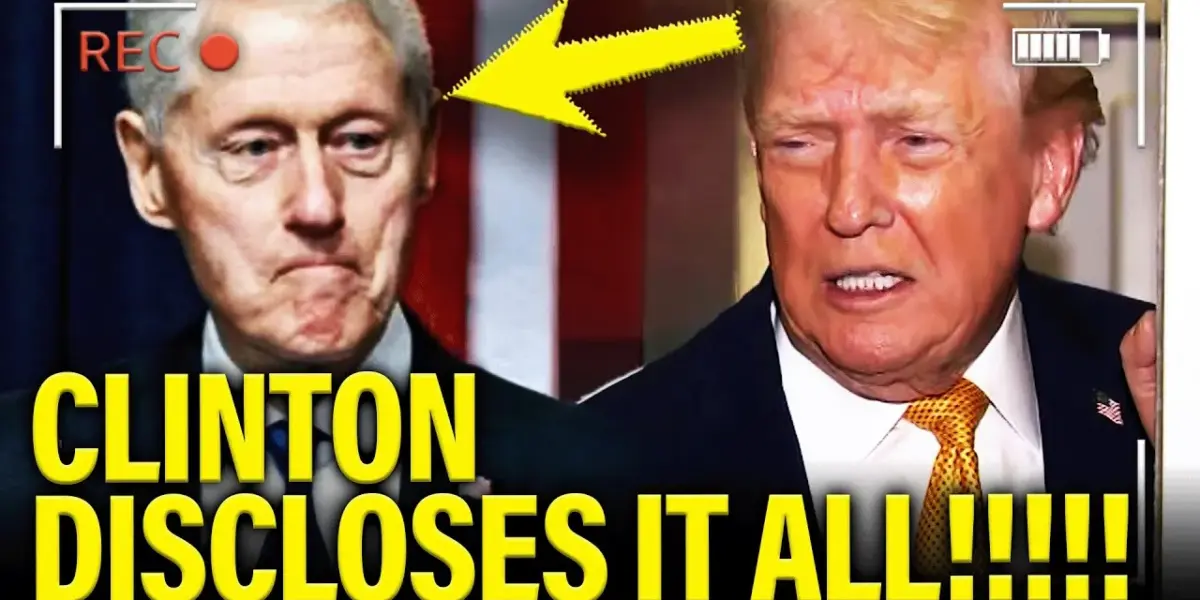
Epstein’s Deal: Trump’s Past Tied to Russian Oligarch
A deposition involving former President Bill Clinton has resurfaced a complex and potentially damaging chapter from Donald Trump’s past, centered around a real estate transaction involving Jeffrey Epstein and a Russian oligarch. This revelation, discussed on the Midas Touch Network, suggests that the fallout between Trump and Epstein was not related to Epstein’s sex trafficking activities, but rather to a lucrative property deal that soured.
The Genesis of a Dispute
The controversy stems from a property in West Palm Beach that Jeffrey Epstein introduced to Donald Trump around 2003-2004. At the time, Epstein was reportedly planning to acquire the oceanfront estate at 515 North County Road in Palm Beach for approximately $7 million less than its eventual sale price, during a foreclosure sale. Epstein, who was friends with the property’s owner, a nursing home magnate named Abe Gossman, sought Trump’s advice on redesigning the property. However, Trump himself ended up purchasing the estate for $41.35 million in a bankruptcy auction.
This move apparently blindsided Epstein, who felt Trump had “scooped” the deal from under him, especially after he had sought Trump’s input. The situation escalated, leading to potential litigation and a significant rift between the two men. Michael Wolff, Trump’s former biographer and someone who was also considered to be Epstein’s biographer, recounted that Epstein explicitly stated the falling out was not about Epstein’s sex trafficking or the alleged use of Mar-a-Lago for such activities. Instead, Epstein pointed to this real estate transaction as the sole reason for his dispute with Trump.
The Flip and the Oligarch
The situation took another turn in 2008 when Donald Trump sold the very same property for approximately $95 million to a Russian oligarch named Ryelov. This sale, which more than doubled Trump’s investment in just four years with seemingly minimal renovations, raised further questions. Epstein, who had been informed about the deal, reportedly believed that Trump and Ryelov might have been in on the transaction together from the beginning. He speculated that this deal could have been a mechanism for Russian money to enter the U.S. and was part of Epstein’s broader dealings.
The substantial profit Trump made on the sale, coupled with his own past bankruptcies, led Epstein to question how Trump could afford such an all-cash purchase. He also wondered if there were any initial Russian links or assistance in acquiring the property, hinting at potential improprieties beyond the surface-level transaction. Epstein’s suspicions, as relayed by Wolff, suggested he feared Trump might have been cooperating with criminal investigations due to worries about Epstein suing him over this deal and potential other undisclosed issues.
Clinton’s Deposition and Misinterpretations
The recent deposition of former President Bill Clinton brought these past events to the forefront. When questioned about conversations with Donald Trump regarding Jeffrey Epstein, particularly concerning underage girls, Clinton reportedly stated that their falling out had nothing to do with such matters. According to the Midas Touch Network’s analysis of Clinton’s testimony, Trump indicated that the severance of their relationship was due to a “transaction” and “financial stuff.”
However, the narrative surrounding Clinton’s deposition was immediately contested. Following the deposition, some Republican figures, including members of the MAGA movement, held a press conference and, according to the analysis, misquoted Clinton. They allegedly claimed Clinton exonerated Trump, stating he was unaware of any wrongdoing by Trump concerning underage girls. This interpretation contrasts with Clinton’s reported statement that Trump characterized Epstein as a “fun guy” or “good guy” but that their relationship ended over the real estate deal.
Why This Matters
This incident highlights several critical points. Firstly, it underscores the complex and often murky financial dealings that can occur in high-stakes real estate and business. The alleged involvement of a Russian oligarch in the sale of a property acquired through Trump raises persistent questions about foreign influence and financial transparency in the U.S. real estate market, particularly concerning properties owned by prominent figures.
Secondly, the controversy surrounding Bill Clinton’s deposition and its subsequent interpretation reveals the highly politicized nature of information dissemination. The alleged misrepresentation of Clinton’s testimony serves as an example of how facts can be twisted to fit a particular political narrative, aiming to exonerate one figure while potentially deflecting from deeper inquiries.
Thirdly, the renewed focus on Trump’s past relationship with Jeffrey Epstein, even if the fallout was financial, is significant. While the transcript emphasizes that the dispute was not about Epstein’s sex trafficking, it does not absolve Trump of his past association with Epstein, a figure now inextricably linked to egregious criminal activity. The questions Epstein himself reportedly harbored about Trump’s involvement in the real estate deal and potential improprieties continue to cast a shadow.
Implications, Trends, and Future Outlook
The revelations from Clinton’s deposition and the analysis provided suggest a continuing trend of scrutinizing the financial and personal histories of powerful individuals. As more documents related to Jeffrey Epstein’s network are released, the tendrils of his influence are expected to reach further, potentially ensnaring more individuals in government and business, both domestically and internationally.
The narrative presented suggests that the focus on the real estate transaction may be a crucial avenue for understanding the full scope of Epstein’s operations and his connections. The fact that Epstein himself considered this deal a primary point of contention, and that it involved a Russian oligarch, adds layers of complexity that warrant further investigation.
For Donald Trump, this resurrected controversy adds to a long list of questions surrounding his business practices and associations. While the immediate dispute with Epstein might have been financial, the association with a convicted sex offender and the questions about the funding of a multi-million dollar real estate deal remain points of public interest and potential scrutiny.
The analysis concludes by contrasting two potential narratives for the Trump-Epstein falling out: one of moral outrage over Epstein’s conduct with women, and another, more plausible according to the analysis, involving a “dirty deal” or financial impropriety. The speaker urges the audience to use common sense and their knowledge of Trump’s history, which includes bankruptcies, lawsuits, and a reputation for bending the truth, to discern which narrative is more likely. This suggests that the financial aspect of the real estate transaction, and its potential links to foreign interests, is the more compelling and telling story.
Historical Context
The relationship between Donald Trump and Jeffrey Epstein, though reportedly strained by a real estate deal around 2008, dates back much further. Both were prominent figures in New York society in the 1980s and 1990s. Trump has previously acknowledged knowing Epstein but has sought to distance himself from him, particularly after Epstein’s arrest and conviction for sex offenses. The details emerging from Clinton’s deposition and Epstein’s own accounts to Michael Wolff provide a specific, albeit contentious, explanation for the breakdown of their association, shifting the focus from Trump’s alleged awareness of Epstein’s criminal activities to a business dispute over a significant real estate transaction that involved a Russian buyer.
“The fallout had nothing to do with underage girls or anything like that. That’s not what the issue was ever. What Donald Trump said was that there was some transaction that took place. There was some issue over over financial stuff and that’s ultimately what caused the relationship to sever Trump and Epstein.” – Paraphrased from Bill Clinton’s deposition testimony as presented in the analysis.
The ongoing release of Epstein’s documents, and the scrutiny of individuals connected to him, continues to bring to light previously obscured aspects of powerful networks and their dealings. The real estate transaction involving Trump, Epstein, and a Russian oligarch stands as a stark example of the complex intersections of wealth, influence, and potentially illicit financial flows that continue to be unraveled.
Source: Trump’s DARK PAST Surfaces as Clinton REVEALS HIS SECRET!! (YouTube)

Related Articles


Trump’s Iran Policy: A Rash Approach Lacks Strategic Depth
Richard Spencer of The Times criticizes former President Trump's Iran policy as rushed and lacking a strategic plan beyond weakening the regime. The approach, influenced by allies, prioritized immediate action over long-term consequences, according to a Times Radio discussion.
UK Minister Dismisses Trump Claims on Starmer and Iran Strikes
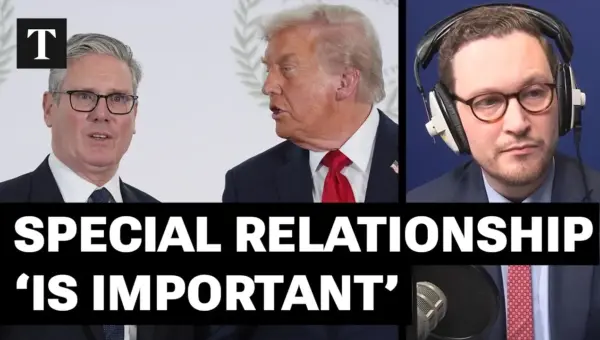
A senior UK minister has dismissed former US President Donald Trump's claims that Labour leader Keir Starmer is jeopardizing US-UK relations with his stance on Iran strikes. Chief Secretary to the Treasury, Darren Jones, affirmed the strength of the special relationship, stating it is not threatened by political differences.


Trump Explodes Over Keir Starmer Name Drop, Fuels UK-US Rift Fears
Donald Trump reportedly erupted in anger upon hearing the name of UK Labour leader Keir Starmer, according to The Sun's Harry Cole. Trump allegedly accused Starmer of 'pandering to Muslims' over his stance on Iran, raising fears of a breakdown in UK-US relations.