Epstein’s Chilling Trump Prediction Fuels War Fears
Chilling iMessages from Jeffrey Epstein suggest a disturbing prediction of Donald Trump's potential to initiate an attack on Iran to project strength when cornered. The analysis contrasts this with Trump's 'peace president' rhetoric, highlighting recent troop deaths and raising questions about leadership and foreign policy decision-making.

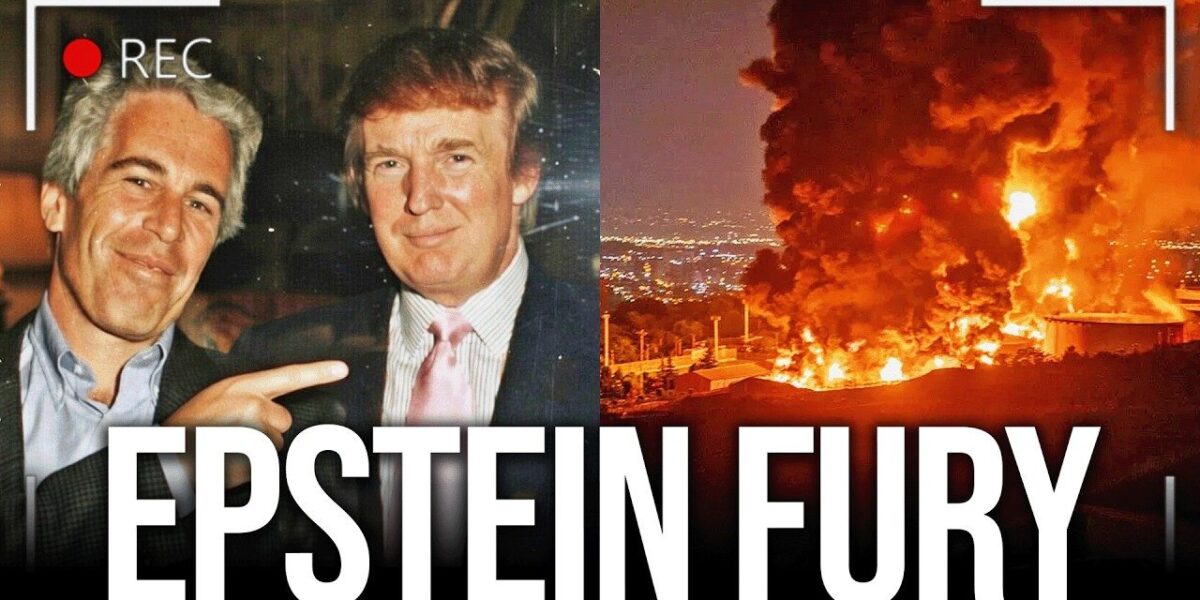
Epstein’s Chilling Trump Prediction Fuels War Fears
Recent revelations unearthed from the Jeffrey Epstein files have cast a disturbing shadow over Donald Trump’s presidency and foreign policy decisions, particularly concerning Iran. The leaked communications, specifically iMessages from Epstein himself, suggest a prescient, albeit alarming, understanding of Trump’s potential reactions under pressure. These messages, purportedly sent in 2018, paint a picture of Trump as a figure who might resort to extreme, even self-destructive, actions to maintain power or project an image of strength.
Epstein’s Alarming Insight into Trump’s Psyche
One of the most striking passages from the Epstein iMessages reads: “you guys need to understand that he is psychotic and would not blink twice at encouraging an attack on us so he can leap to the country’s defense mindset if I go down I’m taking everyone with me.” This chilling prediction suggests that Epstein believed Trump, when cornered, might initiate an attack to portray himself as a heroic leader defending the nation. The iMessages further elaborate on this, with Epstein speculating about Trump’s family being endangered and criticizing the Mueller investigation’s approach to him, stating, “No, no organized crime leader has a 1 million man army.” He also warned that “rats go crazy before the cage closes” and that “The Republicans are beginning to understand. I wouldn’t be surprised to see him do things that might encourage a real problem.”
The implications of these messages are profound, especially when juxtaposed with recent events. Epstein’s specific concern about a potential attack on Iran is particularly noteworthy. He wrote, “We only had 2,000 troops there. If he were to bomb Iran, they would be slaughtered.” This prediction seems to eerily foreshadow the recent military operations against Iran, which have resulted in the confirmed deaths of US troops. The transcript highlights the frustration and anger felt by those who had warned against trusting Trump’s promises of “no new wars” and “no regime change,” only to see a scenario unfold where US service members have died.
The Irony of Trump’s War Rhetoric
The analysis draws a stark contrast between Trump’s campaign promises and his administration’s actions. Repeatedly on the campaign trail, Trump vowed to be a “peace president,” promising to avoid new wars and regime change operations. However, the transcript points to instances where his administration has engaged in actions that have led to conflict and the loss of American lives. The author expresses dismay at how supporters are allegedly “twisting themselves into absolute pretzels” to defend these actions, framing Trump as the “peace president” and “master negotiator” despite evidence to the contrary.
The narrative also touches upon the broader political landscape, with references to figures like Tulsi Gabbard and Kamala Harris, who had previously expressed concerns about Trump’s approach to Iran and the potential for war. The transcript suggests a pattern of political rhetoric that prioritizes power and image over genuine policy or national security, leading to a sense of disillusionment among those who believed Trump’s promises.
The Epstein Connection and Unanswered Questions
Beyond the geopolitical implications, the Epstein files also bring to light the alleged connections between Epstein and figures within the Trump administration, such as Howard Lutnick. The transcript mentions a DOJ-removed, then re-added photo showing Lutnick on Epstein’s island, and questions the veracity of Lutnick’s statements about his limited interactions with Epstein. This raises further questions about the extent of Epstein’s influence and the potential for compromised individuals within powerful circles.
The context provided by the transcript points to a broader pattern of what the author perceives as “rising authoritarianism” and a disregard for truth and accountability. The frustration stems from a feeling of being right about Trump’s perceived unreliability, yet being unable to prevent the negative consequences that have unfolded, including the loss of life and continued chaos.
Why This Matters
The revelations from the Epstein files, coupled with the current geopolitical climate surrounding Iran, serve as a critical case study in the intersection of personal psychology, political rhetoric, and international conflict. Epstein’s alleged prediction about Trump’s potential to initiate an attack under duress, if true, raises profound questions about the decision-making processes within the highest levels of government. It underscores the importance of scrutinizing the character and past behaviors of leaders, especially when they wield the power to engage in military action.
Furthermore, the transcript highlights a recurring theme in modern politics: the disconnect between campaign promises and actual governance. The analysis suggests that a significant portion of the electorate may be swayed by rhetoric that appeals to emotion rather than substantive policy. The current situation, where the US has experienced troop deaths in relation to Iran, directly challenges Trump’s narrative of being a “peace president” and prompts a re-evaluation of his foreign policy legacy.
Implications, Trends, and Future Outlook
The ongoing revelations from the Epstein files are likely to continue fueling skepticism and debate surrounding Donald Trump and his administration. The apparent pattern of alleged deception and the unsettling insights into his potential psychological state, as described by Epstein, could significantly impact public perception and future political discourse. The trend of leaders making bold promises that are later contradicted by their actions is a concerning one, and the Epstein case adds a layer of complexity by suggesting potential psychological motivations behind such actions.
Looking ahead, the situation in the Middle East remains volatile. The transcript implies that the decision-making process leading to military actions may have been influenced by factors beyond pure strategic necessity, including the desire to project strength or respond to perceived threats in a dramatic fashion. This raises concerns about the predictability and stability of US foreign policy under leaders who may be prone to impulsive or ego-driven decisions. The continued scrutiny of Epstein’s connections and the information emerging from his files will undoubtedly play a role in shaping public opinion and potentially influencing future elections.
Historical Context and Background
The discussion draws parallels to past foreign policy missteps, particularly referencing the lead-up to the Iraq War. The sentiment expressed is that history is repeating itself, with a lack of critical analysis and a willingness to engage in conflict based on questionable premises. The transcript also touches upon the broader historical context of US involvement in the Middle East, highlighting a recurring cycle of intervention and unintended consequences. The reference to “no World War II like you said,” “no war like with Iran like you said,” and “no boots on the ground like you said” indicates a pattern of shifting goalposts and unfulfilled promises that resonate with past political debates.
The Epstein saga itself has a long and disturbing history, involving allegations of sex trafficking and connections to powerful individuals across various sectors. The emergence of his iMessages in the context of political events adds a new, and deeply concerning, dimension to this ongoing narrative. The fact that these messages were allegedly sent in 2018, and appear to predict actions that have since transpired, makes them particularly chilling and relevant to the current political climate.
The transcript concludes with a call for accountability and a plea for voters to be more discerning in their choices, urging them to look beyond superficial promises and consider the substance of a candidate’s character and past actions. The frustration is palpable, stemming from a sense that the country has been led down a path of conflict and instability by individuals who, according to the analysis, may be driven by self-interest and a disregard for the consequences of their decisions.
Source: Trump Rocked by INSANE Epstein Prediction (YouTube)

Related Articles
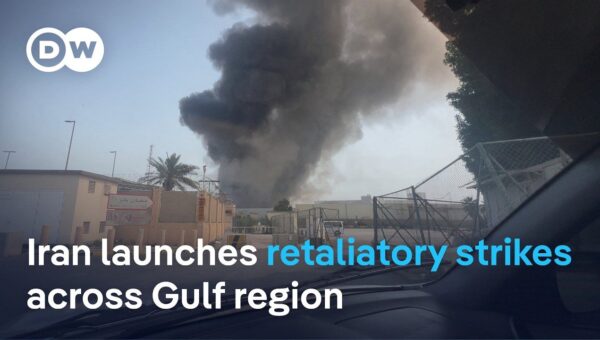
Iran Strikes Neighbors: Gulf Relations Suffer Amid Retaliation
Iran's retaliatory strikes have reverberated across the Gulf, damaging relations with neighboring countries and impacting civilian infrastructure. Experts warn that these actions jeopardize fragile diplomatic progress and violate the sovereignty of U.S. allies in the region.
Trump Addresses Iranians Amid Escalating Regional Conflict
President Trump addressed the citizens of Iran directly amidst escalating conflict, urging them to seize the moment for freedom following the death of Supreme Leader Ayatollah Ali Khamenei. The move comes as the region grapples with intense airstrikes, retaliatory attacks, and the first U.S. casualties of the ongoing military campaign.

Trump Ignores Fallen Soldiers, Flaunts Statues Amidst Crisis
In the wake of tragic soldier deaths and escalating Iran tensions, Donald Trump's alleged focus on statues over fallen heroes draws sharp criticism. The incident highlights concerns over leadership, accountability, and the manipulation of information in times of crisis.