Epstein Survivor Details Grooming and Abuse in New Revelations
A survivor of Jeffrey Epstein's abuse, Reena O., has shared her harrowing experiences, detailing the calculated grooming tactics and subsequent sexual abuse she endured. The ongoing release of the Epstein files has reopened deep emotional wounds, prompting her to speak out about the manipulation and the long road to recognizing her trauma as abuse.

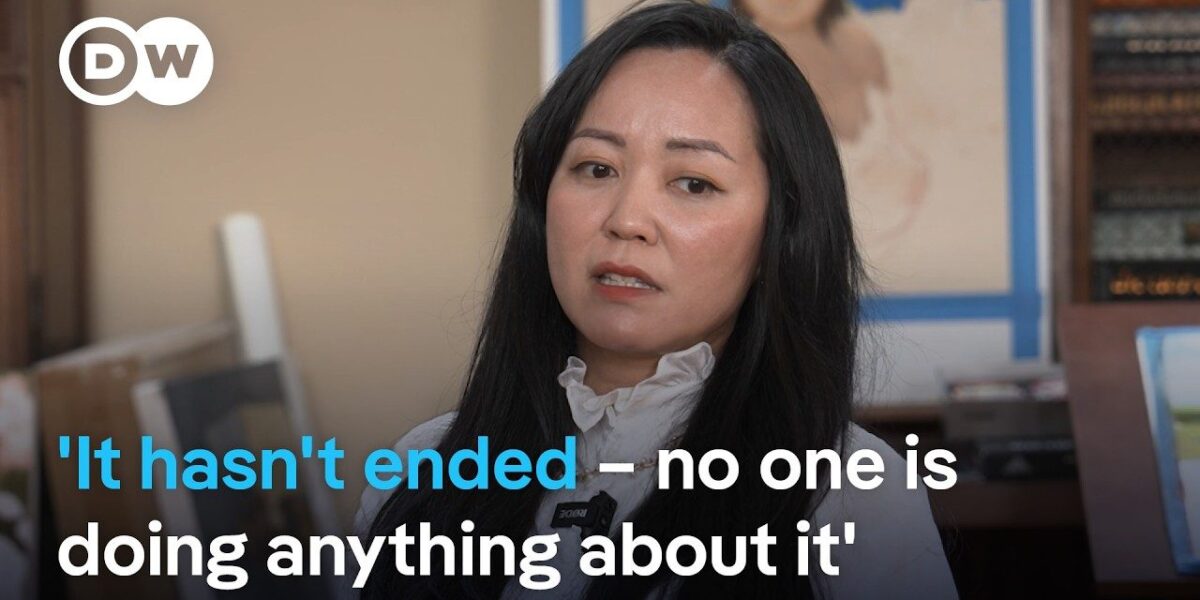
Epstein Files Spark Renewed Trauma for Survivors
The ongoing release of documents connected to financier Jeffrey Epstein has reignited public attention and brought renewed distress to those who experienced his abuse. While the revelations offer a disturbing glimpse into a vast network of powerful individuals, for survivors like Reena O., the news is a painful reopening of deep wounds. Living with her family in rural New Jersey, Reena, an artist, has been advised by her therapist to limit her engagement with the escalating media coverage, yet she has chosen to speak out about her experiences.
A Calculated Introduction and False Promises
Reena O. was 21 years old and navigating a difficult period in her life when she was introduced to Jeffrey Epstein by a friend named Lisa. At the time, Epstein presented himself as a benefactor, offering mentorship and financial support for her art education. He lured her in with promises of a lavish lifestyle, boasting a private island, a private jet, and an opulent townhouse.
Recalling their first meeting, Reena described a seemingly professional encounter in Epstein’s study. “He had this big study room… and we sat down on… the sofa and he asked me, you know, like, what’s your name?” she recounted. She mentioned she was an artist, and Epstein showed a keen interest in her portfolio, specifically a sculpture she had created in high school. The following day, she received a call from his secretary, inviting her back. It was then that Epstein offered her a scholarship to art school, stating, “I think you’re really talented. I think you should be in school.” He emphasized the importance of a college degree for success in the art world.
The Onset of Abuse and Manipulation
What began as seemingly legitimate professional interactions soon escalated into a pattern of abuse. Reena explained that each time Epstein was in New York, she would receive a phone call, and the abuse would commence immediately. “I just thought, you know, this is just what I have to do, I guess, to to go to school,” she admitted, adding that she was too emotionally broken at the time to fully comprehend what was happening to her.
The initial meetings, which she perceived as professional, later became clear as manipulative tactics. “I didn’t realize until I started reading about all the other things he did like later on that they weren’t professional appointments, you know, like I was in a massage room. This is not normal,” she stated. She described a scene where a certified massage therapist was giving Epstein a full-body massage, which seemed routine. However, Epstein then directed her to attend classes, dictating her course of study and selecting the school himself. “He really knew like how to like begin controlling me,” Reena reflected.
The manipulation intensified as Epstein began to involve her in increasingly intimate situations. He took her into his bedroom, showing her his personal belongings, and later asked her to take a bath with him. The sexual abuse, she noted, occurred on numerous occasions, which she compartmentalizes into “seasons” as she struggles to recall specific dates without documentary evidence. The experience left her feeling “dirty” and “ashamed,” especially given a history of childhood sexual abuse that she hadn’t fully processed.
“I was sexually abused when I was a very small child… I didn’t know that was sexual abuse.”
The Path to Recognition and Healing
The renewed public attention on Epstein’s activities, initially sparked by resurfaced testimonies in 2018 from younger victims in Florida, was a catalyst for Reena’s own journey toward recognizing her experience as abuse. At first, she didn’t identify as a victim, believing that her age (21) at the time of the abuse meant she was an adult and therefore not subject to the same definition of victimhood as the teenagers. However, the inadequate sentence Epstein received for his initial arrest spurred her to speak out.
Speaking out triggered her trauma, leading to a mental breakdown and hospitalization. It was through conversations with other women who had similar experiences with Epstein that she began to identify their shared ordeal as sexual abuse. “I was mortified, you know, when I found out. Um, and it really took a mental toll on me for the last seven years,” she revealed.
Ghislaine Maxwell’s Role and Epstein’s Devaluation Tactics
Central to Epstein’s network was Ghislaine Maxwell, whom Reena met and found unsettling. “I didn’t like her,” Reena stated. “She was very snobby and she was very suspicious of me and I could tell like something was wrong.” Reena believes Maxwell was complicit, managing Epstein’s “sex addiction” and financially benefiting from him while maintaining her accustomed lifestyle. Maxwell’s involvement, Reena suggests, was driven by a desire for financial gain and the preservation of her privileged existence.
Reena also highlighted Epstein’s pattern of devaluing his victims once they reached a certain age. He would tell them, “You’re too old,” particularly after they turned 18. Reena herself experienced this when, at 22, Epstein remarked on her age. This tactic, she believes, was part of his control mechanism, reinforcing his power over those he exploited.
Art as a Tool for Advocacy and Healing
In her recovery, Reena has found solace and a means of processing her trauma through art. “Creating art helps her heal. It helps me um stay in the present and not disassociate um for my recovery and mental health. It art helps ground me,” she explained.
Her art has evolved into a powerful form of advocacy, particularly for victims of human trafficking. She has created a collection of artwork focusing on the plight of indigenous children who are trafficked globally. Citing statistics that indicate millions of humans, including half a million indigenous women and children in North America alone, go missing each year, Reena expresses a profound sense of urgency. “No one’s doing anything about it,” she lamented. Her series of portraits of indigenous children in their native environments is a heartfelt plea for global attention and protection. “I want the world the whole world to fall in love with these images and protect them. And that’s why there’s such an urgency. We need to protect them. I I want to live in a world where this doesn’t happen anymore,” she passionately stated.
Looking Ahead
As the Epstein files continue to be scrutinized, the focus remains on accountability and the broader societal implications of the abuse network. Survivors like Reena O. are finding their voices, using their experiences to advocate for change and bring attention to ongoing issues of exploitation. The revelations serve as a stark reminder of the importance of believing survivors and the critical need for robust systems to prevent and address human trafficking and sexual abuse.
Source: Epstein survivor speaks out: 'We have evidence that it was a lot worse than we had ever imagined' (YouTube)

Related Articles


Ghislaine Maxwell’s Legal Maneuvers Hint at Trump Clemency Plot
Ghislaine Maxwell's legal strategy, including her bid to block 90,000 documents and claims of poverty, raises suspicions of a coordinated effort to secure a pardon from Donald Trump. The inconsistencies in her legal claims fuel speculation of a deliberate delay tactic to benefit from potential political intervention.


Trump FBI Accused of Halting Epstein Probe in 2019
Newly released emails from the Jeffrey Epstein files indicate that the Trump administration's FBI ordered the NYPD to halt their 2019 investigation into Epstein. Further correspondence references a "murder" investigation into Epstein's death, contradicting the official suicide ruling and fueling demands for transparency.

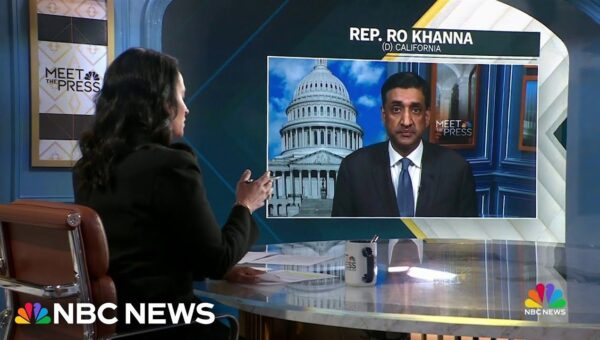
Khanna Urges Trump to Testify Voluntarily in Epstein Probe
U.S. Representative Ro Khanna is calling on former President Donald Trump to voluntarily testify in the Jeffrey Epstein probe, citing Bill Clinton's recent deposition as a new precedent. Khanna believes Trump should follow Clinton's lead in answering all questions from investigators.