Epstein Scandal: ‘No Seeming End in Sight’ as Royal Family and UK Institutions Face Deepening Scrutiny
The Jeffrey Epstein scandal continues to cast a long shadow over the British Royal Family and key UK institutions, with recent revelations indicating 'no seeming end in sight' to the crisis. New reports detail Metropolitan Police officers allegedly acting as 'bouncers' at Epstein's mansion, while former Prime Minister Gordon Brown calls for broader investigations into Prince Andrew's jet usage. Parliament is also launching an inquiry into UK trade envoys, ensuring the scandal's deep and damaging impact will resonate for years.

Epstein Scandal: ‘No Seeming End in Sight’ as Royal Family and UK Institutions Face Deepening Scrutiny
The reverberations of the Jeffrey Epstein scandal continue to shake the foundations of the British establishment, with recent revelations and escalating investigations suggesting there is “no seeming end in sight” to the crisis. What began as a scandal centered on Prince Andrew’s controversial association with the disgraced financier has now expanded to envelop institutions such as the Metropolitan Police and even parliamentary oversight of government roles, threatening to inflict long-term damage on the Royal Family and public trust.
Joe Mayes, a UK politics reporter for Bloomberg, articulated the pervasive nature of the crisis, stating, “You cannot put a cap on where this goes, who gets questioned by the police, what those disclosures, investigations reveal. There’s no seeming end in sight to this.” This sentiment underscores the growing consensus that any hope for a “quick fix” to the situation is entirely unfounded, pointing instead to a protracted period of scrutiny that could span “many years.”
Royal Protection Officers and the Epstein Mansion: A New Front in the Scandal
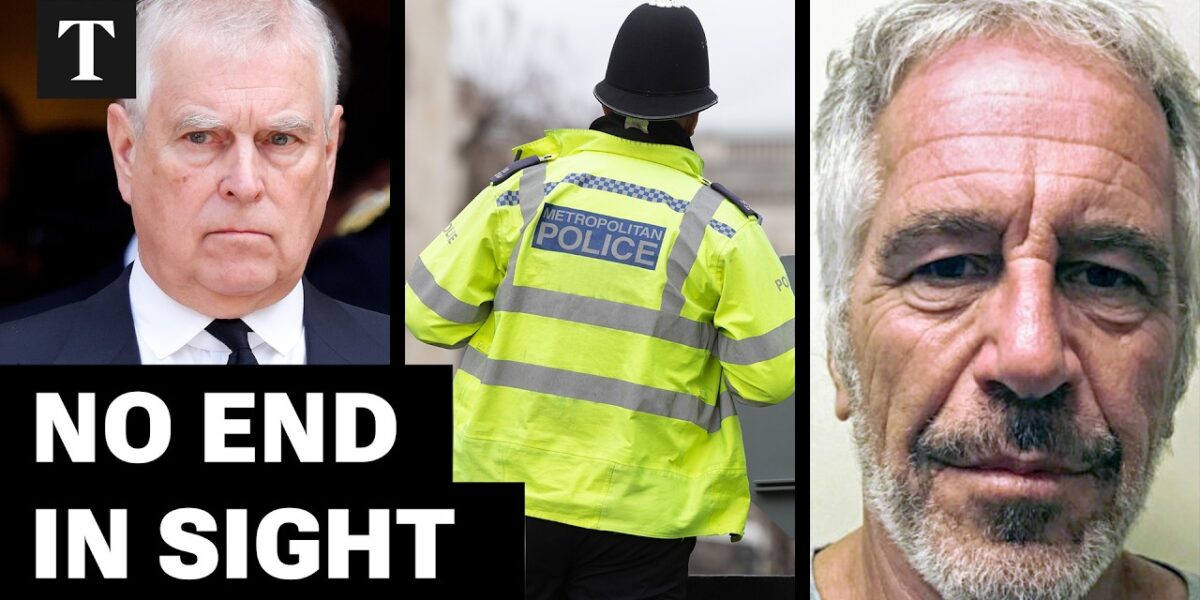
A particularly damaging development emerged from a recent report in The Sunday Times, which detailed how two Metropolitan Police Royal Protection officers, tasked with escorting Prince Andrew to New York in 2010, allegedly found themselves deployed as ‘bouncers’ outside Jeffrey Epstein’s Manhattan townhouse. These officers, whose primary duty was to ensure the safety of a senior member of the Royal Family, reportedly protected guests at a party that included high-profile figures such as journalist Katie Couric and director Woody Allen.
The core of the embarrassment, as highlighted by Mayes, stems from the apparent chain of command during the incident. “What the embarrassment comes in where it was Epstein’s staff… giving them the instructions seemingly and kind of coordinating with him and his private people as how it should be done,” he explained. This revelation raises serious questions about the professional conduct of the officers and the blurring of lines between royal protection duties and private security for an individual who was, even then, a convicted sex offender.
In response to these allegations, the Metropolitan Police confirmed on Friday that they are initiating inquiries into the close protection officers. The investigation aims to ascertain whether these officers were aware of any potential criminal activity that might have been occurring at Epstein’s residence. This internal probe signifies a critical juncture, as it delves into the potential complicity or negligence of law enforcement officials at a time when they were in close proximity to a known criminal enterprise.
The implications for the Met Police, an institution already grappling with significant public trust issues and internal controversies, are considerable. Any findings that suggest a failure of duty or a lack of vigilance on the part of royal protection officers could further erode confidence in the force’s integrity and its ability to uphold the law impartially, regardless of the individuals involved.
Gordon Brown’s Crusading Role and Calls for Expanded Probes
Adding further momentum to the expanding investigations is the proactive stance taken by former Labour Prime Minister Gordon Brown. Brown has, in recent times, adopted a remarkable role as a public service advocate, leveraging his extensive knowledge and experience to push for deeper inquiries into the Epstein affair.
His latest intervention involves writing lengthy letters to six different police forces, urging them to investigate Prince Andrew’s use of private jets for flights in and out of Britain. Brown’s argument is that these flight records could potentially unlock further details and connections pertinent to the wider Epstein network and its activities within the UK. This move by a former head of government provides significant weight to the calls for comprehensive scrutiny, suggesting that the scandal’s reach extends far beyond the immediate events in New York.
Mayes acknowledged Brown’s efforts, noting that he is “effectively providing an immense public service of providing documents and using his knowledge from when he was prime minister to help further these inquiries.” Brown’s involvement underscores the gravity of the situation and the perceived need for a thorough, unsparing examination of all facets of the scandal, irrespective of who might be implicated.
The former Prime Minister’s actions signify a growing determination within some quarters of the political establishment to ensure that no stone is left unturned. His focus on flight logs points to a strategy of tracing movements and associations that could reveal the full extent of Epstein’s operations and the involvement of his associates, both within the UK and internationally.
Parliamentary Scrutiny: Trade Envoys Under the Microscope
The scandal’s tendrils are also reaching into the heart of British parliamentary oversight. The Business and Trade Select Committee is set to launch an inquiry into the role of UK trade envoys. While the committee has judiciously stated its focus will be on the *role* of trade envoys rather than specifically on Prince Andrew, who served as a UK Special Representative for International Trade and Investment for a decade, the connection is unmistakable.
This parliamentary inquiry represents another significant avenue through which the scandal’s impact will be felt across British politics. By examining the institutional framework of trade envoys, the committee aims to shed light on a part of government that has historically operated with a degree of opacity. As Mayes observed, “the role of a trade envoy is still quite unclear” to many, even those who have covered politics extensively.
The inquiry will likely explore questions of accountability, transparency, and the potential for such roles to be exploited or misused. While careful not to prejudice any ongoing criminal proceedings, the committee’s work could reveal systemic vulnerabilities and lead to reforms aimed at enhancing oversight and ethical standards for individuals representing the UK abroad, particularly those with royal connections.
This multi-pronged approach – involving police investigations, calls from former political leaders, and parliamentary inquiries – illustrates the broad and deepening impact of the Epstein scandal. It signals that the issue is not merely a matter for the Royal Family to manage internally, but a significant challenge for British governance and its institutions.
The Broader Implications: Damaging and Protracted
The cumulative effect of these ongoing investigations and revelations is profoundly damaging. The lack of a “quick fix” means that the Royal Family, already navigating a period of transition and evolving public sentiment, will face sustained negative headlines and public scrutiny for an indefinite period. Prince Andrew’s association with Epstein has already led to his withdrawal from public duties and significant reputational harm to the monarchy. Each new development rekindles the controversy and places further strain on the institution.
Beyond the monarchy, the scandal tests the integrity of British institutions. The Metropolitan Police’s internal inquiry, for instance, comes at a time when the force is under immense pressure to reform and rebuild public trust. Any perceived shortcomings in their handling of matters related to Epstein or Prince Andrew could exacerbate existing concerns about policing standards and accountability.
Similarly, the parliamentary inquiry into trade envoys highlights broader questions about the use of public office and the standards expected of those representing the UK internationally. It forces a re-evaluation of how such roles are appointed, monitored, and held accountable, especially when occupied by members of the Royal Family or other prominent figures.
The consensus among political observers is that these issues will continue to dominate public discourse for the foreseeable future. “We’re going to have on our front pages, on our broadcasts for weeks, months, still years to come, a discussion of these issues,” Mayes predicted. This prolonged exposure ensures that the Epstein scandal remains a potent symbol of accountability failures, privilege, and the enduring quest for justice, continually challenging the British establishment to confront uncomfortable truths and demonstrate genuine reform.
Source: Epstein Scandal Has ‘No Seeming End In Sight’ For British Royal Family | Joe Mayes (YouTube)

Related Articles

Reform UK’s Euphoria Curtailed by By-Election Setback
Reform UK's ambitions have been tempered by a recent by-election loss in Gorton and Denton, suggesting a plateau in their support. While the party still holds significant appeal, factors like candidate perception and broader voter consolidation against them pose challenges. The result prompts a strategic re-evaluation for Reform and has implications for the wider political landscape.

Green Party Wins Historic By-Election in Labour Heartland
The Green Party has achieved an historic victory in the Gorton and Denton by-election, securing 40% of the vote and pushing Labour into third place. This result signals a potential realignment of voters and a significant challenge to Keir Starmer's leadership.

Green Party Stuns UK Politics in Shock By-Election Win
The Green Party has achieved a stunning victory in the Gorton and Denton by-election, a seat traditionally held by Labour for nearly a century. The result signifies a major upset, with Labour's vote share collapsing and highlighting deep voter dissatisfaction. Reform UK also saw gains but failed to secure the win, while Conservatives and Liberal Democrats experienced significant declines.