Epstein Files Subpoena Signals New Era for Congressional Oversight
A bipartisan coalition in the House Oversight Committee has successfully subpoenaed Florida Attorney General Pam Bondi as part of the ongoing Jeffrey Epstein investigation. This move signals a significant push for transparency and accountability, potentially setting new precedents for congressional inquiries into powerful figures.

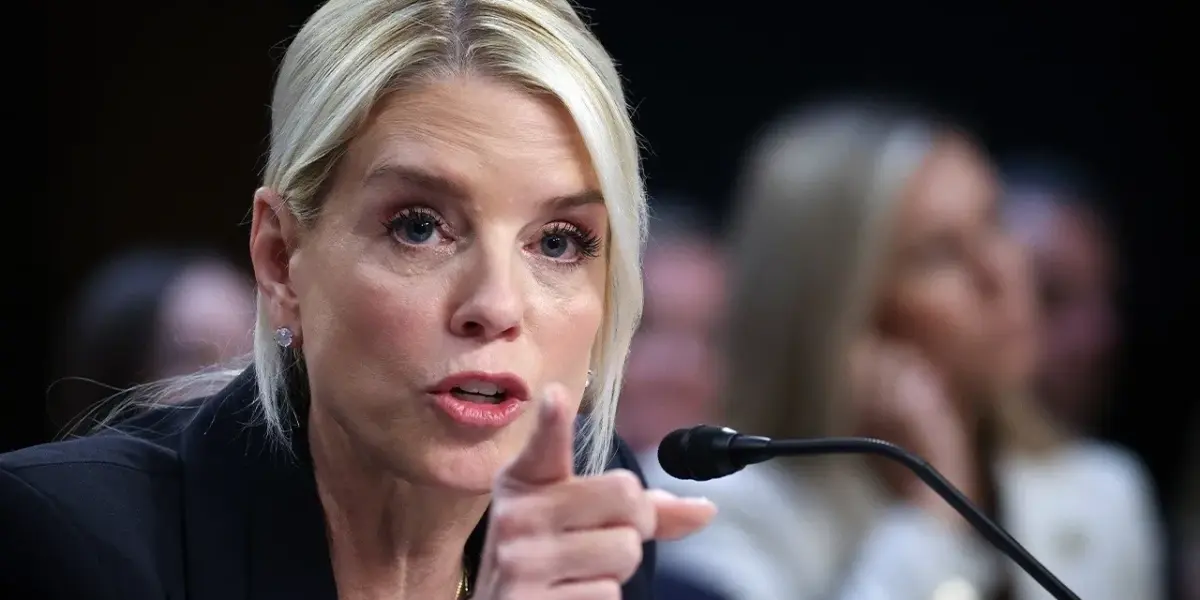
House Committee Subpoenas Pam Bondi in Epstein Investigation
In a significant development for the ongoing investigation into the Jeffrey Epstein and Ghislaine Maxwell scandals, the House Oversight Committee has issued a subpoena for Pam Bondi, the Florida Attorney General. This move, spearheaded by a bipartisan coalition including Representative Robert Garcia and Representative Nancy Mace, signals a determined effort to uncover buried information and hold key figures accountable.
A Bipartisan Push for Answers
For months, Democratic members of the committee, alongside some Republican allies, have been requesting Bondi’s testimony. The delay, reportedly from Committee Chairman James Comer, has finally been overcome through a united effort, securing a subpoena that will compel Bondi to appear before the committee. Congressman Garcia highlighted the importance of this development, stating, “The fact that Pam Bondi, the AG who’s been responsible for hiding and deflecting and lying about the Epstein files will now be in front of the committee doing the Epstein investigation is really really important.”
Scope of Inquiry: Unanswered Questions Abound
The committee has a lengthy list of critical questions for Attorney General Bondi. These include:
- Why the Epstein investigation files were initially on her desk.
- The rationale behind labeling the investigation a “hoax.”
- Reasons for attempting to prematurely end the investigation.
- Whereabouts of missing documents and the status of the remaining files.
- Allegations of files being manipulated or removed.
- Reports of surveillance on members of Congress.
Garcia emphasized the seriousness of these inquiries, noting, “The Democratic members have serious questions about this investigation. And I’m glad that the attorney general will now be forced to appear in front of us.” The congressional subpoena is described as a robust and legally binding instrument, with no apparent avenue for non-compliance.
Setting Precedents: From Bondi to Former Presidents
The issuance of this subpoena is not an isolated event. It follows a trend of increased congressional scrutiny, including the recent appearance of Kristi Noem before the Judiciary Committee. However, concerns linger about potential filibustering and partisan attacks from witnesses. Garcia expressed confidence in the committee’s ability to navigate such tactics, stating, “I’m sure she’s going to try to deflect and to attack back, but I think we’ve got a very skilled group of committee Democrats and oversight Democrats that are going to just ask the right questions and we will make sure that we get answers and get those on the record. She will be under oath.”
Furthermore, the committee’s actions have set a new precedent regarding the testimony of high-profile political figures. The willingness to subpoena former President Bill Clinton and potentially former First Lady Hillary Clinton, despite their alleged lack of direct involvement, has opened the door for compelling testimony from other significant figures. Congressman Garcia indicated that a similar precedent is being established for former presidents, stating, “We’re going to have Donald Trump come and testify. And look, it should it should happen now, but we will 100%… And now we have a congressional new president sent to be able to bring in former presidents and we’re going to do it.” The committee plans to pursue testimony from Donald Trump regardless of his current or future political status.
The Bipartisan Appeal of the Epstein Case
The investigation into Epstein’s network appears to be one of the few issues that transcends partisan divides. Polls indicate strong public interest and support for accountability across both Republican and Democratic parties. This bipartisan appeal is seen as a driving force behind some Republicans’ willingness to engage, even when it might be politically challenging. “The issue around Jeffrey Epstein and his crimes, including accountability and justice for the survivors is actually very very popular,” Garcia observed. “It’s something that all of us across the country, whether you’re Republicans or Democrats, it’s I mean, it’s polling with Republicans in like in the 70th percentile. It’s actually the single most bipartisan issue that’s popular amongst both parties.”
This broad public support is particularly significant given its impact on Donald Trump’s political standing. The Epstein scandal is reportedly one of his most unpopular issues, with opposition from both parties being immense. This suggests that Republicans may be increasingly willing to prioritize accountability over party loyalty when it comes to this specific investigation.
Unanswered Questions and Future Outlook
Despite the subpoena for Pam Bondi, the core questions about the Epstein files remain. The committee is particularly focused on understanding the whereabouts of the remaining files, the extent of redactions, and the potential involvement of a “White House cover-up” aimed at protecting “billionaires and co-conspirators.” Success for the committee would mean obtaining clear explanations for these issues and gaining access to the withheld information.
The investigation is far from over. With the potential to call former presidents and other implicated administration officials like Kevin Warsh and Howard Lutnick, the House Oversight Committee appears poised to supercharge its efforts, especially if they gain majority control. The current strategy of “picking off” a few Republicans for support is expected to continue, but the ultimate goal is to leverage majority power to ensure full transparency and accountability in the Epstein investigation.
Why This Matters
The subpoena of Pam Bondi and the broader implications for compelling testimony from high-profile figures, including former presidents, mark a critical juncture in congressional oversight. It underscores a growing public demand for transparency and accountability, particularly concerning allegations of sex trafficking and cover-ups involving powerful individuals. The bipartisan nature of public sentiment around the Epstein case suggests that politicians may increasingly find it politically advantageous, or at least less damaging, to support thorough investigations. This could reshape the dynamics of future congressional inquiries, potentially making it harder for powerful figures to evade scrutiny and easier for committees to obtain crucial information, regardless of party affiliation. The pursuit of answers in the Epstein case is not just about uncovering past wrongdoings; it’s about establishing a precedent for robust and independent oversight in the future.
Historical Context
The Jeffrey Epstein scandal, which came to light in the mid-2000s, has continued to cast a long shadow, implicating numerous wealthy and influential individuals. The initial investigations and subsequent legal proceedings have been criticized for their perceived leniency towards Epstein and his associates. The involvement of state attorneys general, such as Pam Bondi, in handling or overseeing aspects of the investigation adds another layer of complexity. The current congressional push represents a renewed effort to scrutinize the handling of these cases, seeking to expose any potential obstruction, cover-ups, or systemic failures that may have allowed the full truth to remain concealed.
Implications, Trends, and Future Outlook
The trend towards more aggressive congressional oversight, exemplified by this subpoena, is likely to continue. The increasing willingness of committees to subpoena powerful figures, including those with presidential ties, suggests a shift in the balance of power between Congress and the executive branch, and potentially between Congress and former presidents. The bipartisan public support for accountability in the Epstein case also indicates that politicians will be increasingly responsive to public pressure on such matters. This could lead to more investigations being initiated and pursued with greater vigor, irrespective of partisan leanings. The future outlook suggests a more transparent and accountable political landscape, where the pursuit of justice for survivors of abuse and exploitation might finally take precedence over political considerations.
Source: BREAKING: PAM BONDI DEALT BAD EPSTEIN NEWS (YouTube)

Related Articles


Speaker Johnson Evades War Powers, Congress Abdicates Oversight
Speaker Mike Johnson's evasive press conference on military actions in Iran has ignited debate over Congress's constitutional role in war powers and oversight. Critics argue this abdication of duty, coupled with an unclear strategy, risks repeating historical failures.

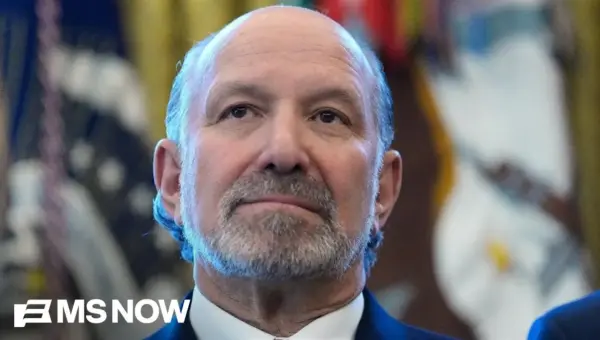
Rep. Garcia Blasts Commerce Sec. Lutnick Over Epstein Ties
Rep. Robert Garcia has sharply criticized Commerce Secretary Howard Lutnick over his Epstein ties, stating the committee was prepared to subpoena him. Garcia also called for Donald Trump's testimony and criticized Republican priorities in the House Oversight Committee's investigation.


Epstein Survivor Reena O Reveals Abuse, Fights Trafficking
Reena O, a survivor of Jeffrey Epstein's abuse, has bravely shared her story, detailing the grooming and exploitation she endured as a young artist. She now uses her art for healing and advocates fiercely against human trafficking, aiming to protect vulnerable children worldwide.