Epstein Files, Iran War: Trump’s Dark Past Fuels Current Crises
As the Iran conflict escalates, allegations of Donald Trump's involvement in the Epstein scandal resurface, fueling claims of a deliberate cover-up. The intertwined narratives raise critical questions about transparency, accountability, and the integrity of political processes.

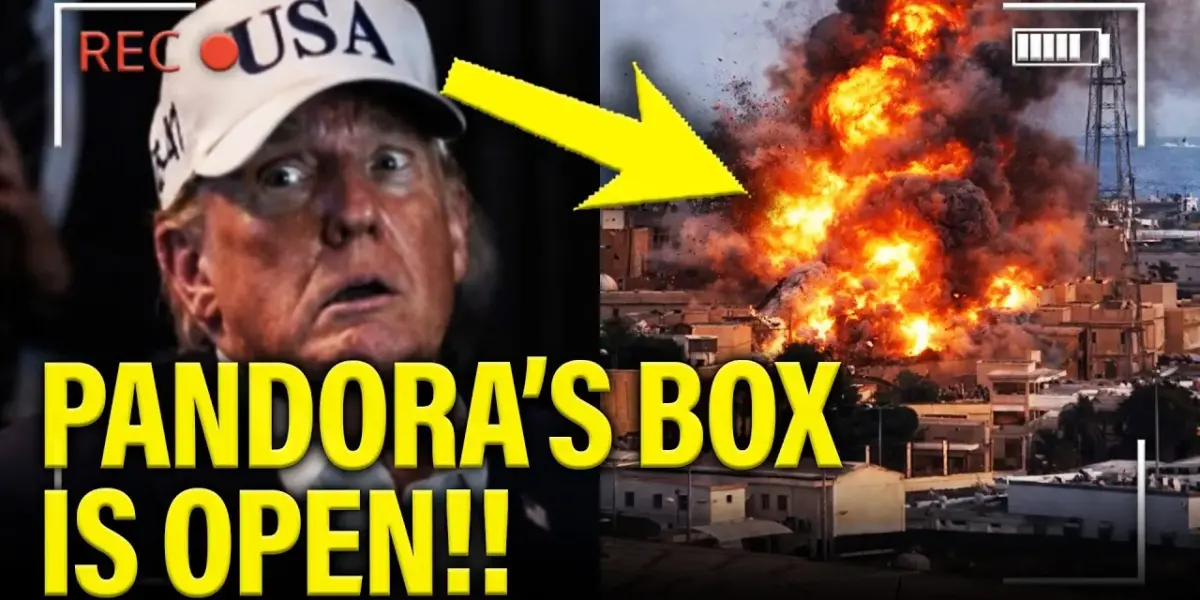
Epstein Files, Iran War: Trump’s Dark Past Fuels Current Crises
In a turbulent geopolitical climate, the specter of Jeffrey Epstein’s dark legacy is increasingly intertwined with contemporary political events, particularly concerning former President Donald Trump. Allegations of evidence suppression and a deliberate cover-up surrounding Trump’s involvement with Epstein have resurfaced, amplified by the escalating conflict in Iran, which is now being controversially dubbed the “Jeffrey Epstein war” by some observers.
The Iran Conflict: A Distraction or a Cover-Up?
The narrative presented suggests that the current war in Iran, initiated by Donald Trump, serves as a massive distraction from the ongoing revelations concerning the Epstein files and Trump’s alleged complicity. This perspective posits that the Trump administration deliberately misled Congress and the public about the imminent threat posed by Iran, with statements to the press being demonstrably false. The urgency with which Trump is reportedly attempting to justify the war, even making frantic calls to journalists, is framed as a symptom of severe paranoia. This paranoia is further evidenced by his refusal to leave Mar-a-Lago over a weekend when the United States was at war, despite national security protocols requiring his presence in Washington D.C. and the use of sensitive compartmented information facilities (SCIFs) at his private residence, which reportedly violated security rules.
The Clinton Depositions and Shifting Narratives
A significant point of contention revolves around the depositions of Bill and Hillary Clinton in relation to the Epstein files. The transcript highlights a perceived inconsistency in the MAGA movement’s approach to these depositions. Initially, there was an alleged push to keep the depositions private, with concerns raised about MAGA members, such as Lauren Boebert, taking unauthorized photos and videos during the proceedings. This led to the Clintons’ request for public depositions to ensure an accurate record. However, following the depositions, several MAGA figures, including James Comer and Nancy Mace, publicly declared that Bill Clinton had “exonerated” Donald Trump. This claim is directly contradicted by reports that Clinton stated his fallout with Epstein stemmed from a real estate transaction. The transcript elaborates on this transaction, detailing how Trump outbid Epstein for a mansion in 2004, later selling it for a substantial profit to a Russian oligarch, a deal that allegedly led to accusations of impropriety and money laundering from Epstein.
Zorro Ranch and Allegations of DOJ Complicity
Further complicating the narrative is the reporting, including by The New York Times, that Trump’s Department of Justice (DOJ) intentionally obstructed investigations into Epstein’s Zorro Ranch in New Mexico. The ranch, a site reportedly associated with sex trafficking and potential body disposal, was the subject of a “stand-down” order from the Trump DOJ to state officials in 2019 and 2020, preventing any searches or investigations. This inaction is presented as a deliberate cover-up. The subsequent sale of the ranch to Don Huffines, a MAGA politician with ties to Russia and a history of promoting normalized US-Russia relations, further fuels suspicions. The ongoing construction to convert the Zorro Ranch into a Christian retreat raises concerns about the potential destruction of evidence.
Public Perception and International Fallout
The transcript points to a significant segment of the American public that believes Donald Trump was involved in Epstein’s crimes, with a YouGov poll indicating over 50% holding this view. This perception is exacerbated by the ongoing withholding of terabytes of documents and delayed release of depositions. Internationally, the war in Iran is being framed by some as a conflict driven by the “Epstein class” – individuals who will not suffer the consequences, while ordinary citizens bear the brunt. Senator Chris Murphy is quoted as highlighting the disproportionate impact on middle-class families. Furthermore, Iranian officials have reportedly used Trump’s alleged connection to Epstein and his history of sexual misconduct allegations to portray the U.S. as a nation run by “predators,” a narrative that could further inflame anti-American sentiment.
The “Clinton Rule” and Calls for Transparency
The deposition of Bill Clinton has inadvertently set a precedent, referred to as the “Clinton rule,” which proponents argue should compel Donald Trump and others connected to Epstein to testify voluntarily. Democratic lawmakers are pushing for further depositions, including that of Commerce Secretary Howard Lutnick, and are advocating for the release of all withheld FBI interviews and documents related to Trump. The selective release of information and the continued withholding of potentially incriminating evidence are seen as deliberate attempts to shield Trump from accountability. The transcript also touches upon allegations of sexual abuse made against Trump by a minor, with three FBI interviews related to these allegations reportedly being hidden by the Justice Department.
Why This Matters
The confluence of the Iran conflict and the resurfacing Epstein allegations raises profound questions about accountability, transparency, and the integrity of governmental processes. The narrative suggests a pattern of alleged obstruction of justice and the use of geopolitical events as diversions from domestic scandals. The public’s trust in institutions is further eroded when credible allegations of cover-ups and the deliberate withholding of information come to light. The implications extend to foreign policy, where the perception of the U.S. as a nation led by individuals with questionable pasts can have significant diplomatic and strategic ramifications. The ongoing calls for transparency and the establishment of precedents for accountability, such as the “Clinton rule,” are crucial in navigating these complex issues and ensuring that no one is above the law, regardless of their political standing.
Implications, Trends, and Future Outlook
The trend towards intertwining high-profile scandals with major geopolitical events suggests a growing sophistication in political maneuvering, where distractions are strategically deployed. The future outlook hinges on the continued pursuit of transparency by journalists, lawmakers, and the public. The potential for further revelations from the Epstein files, coupled with the ongoing war in Iran, could create a volatile political environment. The “Epstein class” narrative, if it gains broader traction, could redefine public discourse around wealth, power, and accountability. The effectiveness of legal and congressional oversight mechanisms will be tested, particularly in the face of partisan divides that can impede investigations. The possibility of a “never-ending war” in Iran, as suggested, coupled with unresolved questions about Trump’s past, paints a picture of prolonged instability.
Historical Context and Background
The Epstein scandal itself is rooted in a history of alleged sex trafficking and exploitation involving powerful individuals. Jeffrey Epstein, a financier with connections to the elite, was arrested in 2019 on charges of sex trafficking. His death in jail while awaiting trial, ruled a suicide, added another layer of controversy. The subsequent release of court documents, including the Epstein files, has gradually revealed more about his network and the alleged complicity of various public figures. This ongoing saga is set against a backdrop of increasing political polarization in the United States, where accusations of corruption and cover-ups have become a persistent feature of the political landscape. The Iran conflict also has a long and complex history, marked by decades of tension and proxy conflicts between the U.S. and Iran.
Source: 🚨Trump SUFFERS as DARK PAST SURFACES during WAR!! (YouTube)

Related Articles
Trump: A Pawn in Middle East Power Plays?
A report suggests Donald Trump's administration was pushed into military action against Iran by Israeli and Saudi leaders. This analysis questions the autonomy of U.S. foreign policy and its susceptibility to external influence, painting a grim picture of potential long-term consequences.
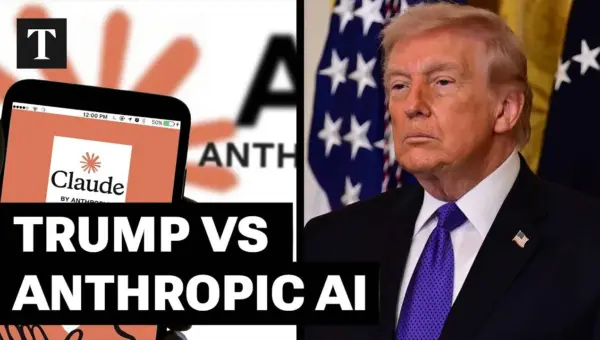
Trump Clashed With AI Firm Over Iran Attack Data
Reports indicate the US military used Anthropic's AI for Iran attacks, potentially violating company terms and Trump's objections. The controversy highlights AI's role in warfare and ethical debates.
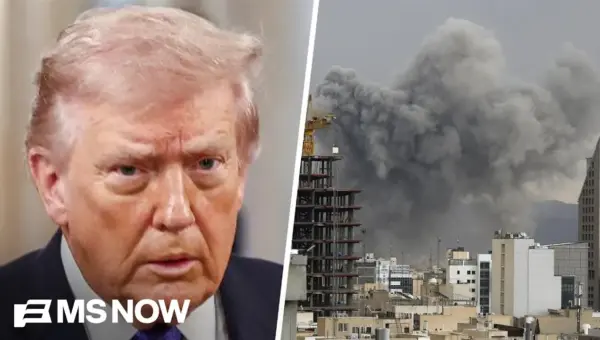
Retired General Slams Trump’s Iran Policy as ‘Political Mess’
Retired General Barry McCaffrey has condemned President Trump's approach to Iran as a "political mess," citing a lack of congressional authorization and diplomatic engagement. While commending the effectiveness of recent military strikes, McCaffrey emphasized the critical need for de-escalation and a return to nuclear talks.