Epstein Files Hint at Trump’s Iran War Motivation
Leaked communications allegedly from Jeffrey Epstein's files suggest he predicted Donald Trump might initiate a conflict, potentially involving Iran, to distract from mounting pressure. These messages, purportedly exchanged with Steve Bannon and Ehud Barak, are drawing parallels to recent geopolitical events and raising questions about a potential cover-up.

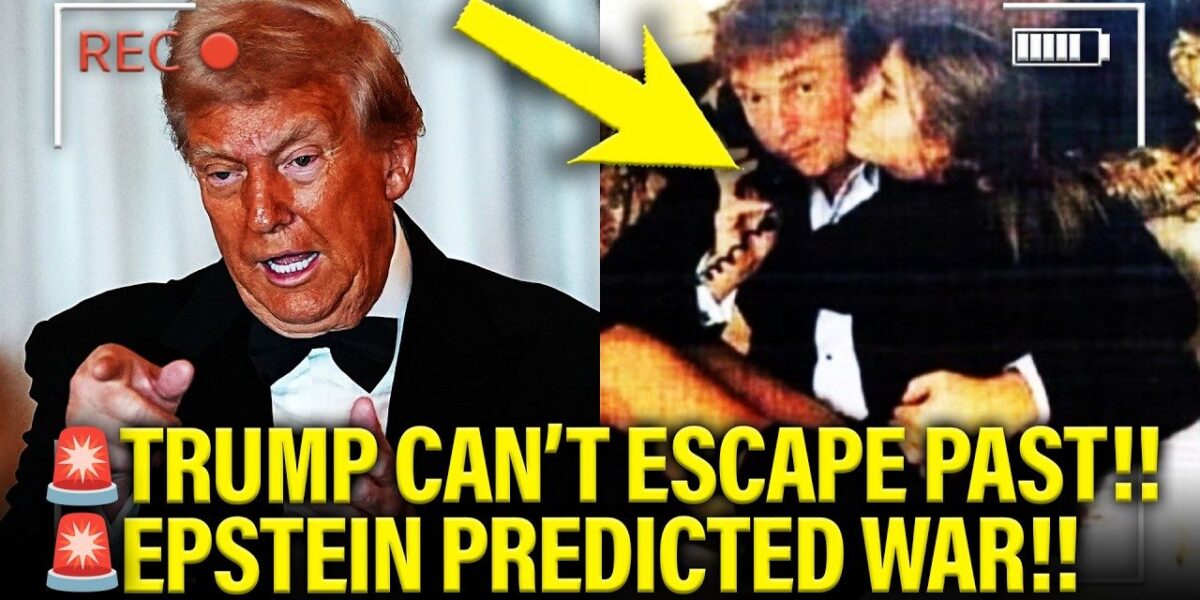
Epstein’s Alleged Prediction of Trump’s War Strategy Surfaces
Newly surfaced communications allegedly from Jeffrey Epstein’s private files suggest a startling prediction: that former President Donald Trump, when cornered, might initiate a conflict, potentially involving Iran, to divert attention from his own past entanglements. These messages, purportedly exchanged between Epstein and Steve Bannon around December 20, 2018, are now at the center of intense scrutiny as the Epstein files are gradually being unsealed and scrutinized by the public and legal entities.
The core of the claim is that Epstein foresaw Trump using a manufactured crisis, such as a military confrontation, as a means to rally public support and shift focus away from damaging revelations. The transcript references specific Bates numbers, EFA0121133 and EFA0121134, pointing to text messages where Bannon and Epstein discuss a “total diversion” strategy.
“Cornering a rat. Never a good idea,” Epstein reportedly wrote to Bannon, in what is interpreted as a commentary on Trump’s potential reaction to being under pressure. He further speculated, “I would not be surprised to see him do things that might encourage a real problem so he can rush to the country’s defense.” The messages also mention potential scenarios involving trading Kurdish support to Turkey for Saudi Arabia’s cooperation, or even orchestrating his family’s departure before a significant destabilizing event.
The “Epstein War” Narrative and its Origins
The current geopolitical events, particularly the escalation of tensions with Iran, are being framed by some as “Operation Epstein Fury” or the “Jeffrey Epstein War.” This narrative posits that the recent military actions are a direct consequence of the ongoing release and investigation into the Epstein case, which allegedly implicates high-profile individuals. The claim is that Trump and the Department of Justice have been involved in a cover-up related to Trump’s past associations with Epstein.
The source of many of these documents, it is claimed, originated from a hack by an Iranian hacker group, Handala, targeting the emails of former Israeli Prime Minister Ehud Barak. Barak, like Trump, had past associations with Epstein, and their communications allegedly reveal discussions about Middle Eastern policy, including Syria and Iran, dating back to 2013.
Epstein and Barak’s Alleged Policy Discussions
The leaked emails purportedly show Epstein advising Barak on messaging to the Kremlin and coordinating with Israeli intelligence contacts. A significant portion of the discussion revolves around the Syrian civil war and the potential for a Russian-led peace plan. Epstein allegedly outlined a strategy that involved replacing Syrian President Bashar al-Assad with a leader amenable to both Russia and the West, a scenario that some observers believe bears a resemblance to subsequent geopolitical developments.
In one message from May 20, 2013, Epstein discusses a meeting with former Norwegian Prime Minister and UN envoy, Thorbjørn Jagland, who was scheduled to meet with Putin. Epstein reportedly stated, “Putin asked that I meet with him in St. Petersburg, the same time as his economic conference. I told him no. If he wants to meet, I will need to set aside real time and privacy.”
Another message from Ehud Barak to Epstein, dated May 22, 2013, touches upon “Syria. CW background of Iran’s elections and nuke program, global terror, North Korea, etc.” Epstein’s alleged response, also from May 2013, provides a detailed, albeit grim, assessment of the Syrian conflict, warning of the potential for wider regional war, the use of chemical weapons, and the increasing influence of extremist groups. He also highlights the strategic importance of Iran’s nuclear program.
“Israel cannot simply wait until it’s too late. They’re giving the freaking road map here of of Donald Trump just took over Epstein’s role,” one interpretation of the messages suggests. The implication is that Trump’s subsequent foreign policy actions, particularly concerning Iran, mirrored the strategic considerations laid out by Epstein in these communications.
Allegations of a Cover-Up and Delayed Information Release
Adding another layer to the controversy, the article points to the handling of deposition transcripts related to the Epstein case, specifically those involving Bill and Hillary Clinton. It is alleged that the Republican-controlled House Oversight Committee deliberately delayed the public release of these transcripts, which were purportedly meant to be released promptly. This delay, according to the narrative, was intended to allow the Trump campaign to disseminate a narrative of exoneration before the full context of the depositions became public.
The article claims that the released statements from the committee misrepresent what Bill Clinton stated in his deposition. Contrary to claims of exoneration, it is asserted that Clinton actually discussed his falling out with Epstein over a real estate transaction and Epstein’s suspicions of money laundering involving Russian oligarchs. This alleged discrepancy is presented as part of a broader effort to control the narrative surrounding the Epstein investigation.
Broader Implications and Environmental Concerns
Beyond the immediate focus on the Epstein case and alleged predictions, the transcript touches upon significant environmental policy changes made by the Trump administration. It highlights the elimination of the 2009 endangerment finding, which established greenhouse gases as a risk to public health, thereby undermining the EPA’s authority to regulate climate-warming emissions. Furthermore, it notes the loosening of restrictions on coal-burning power plants, allowing for increased emission of hazardous pollutants.
These environmental policy shifts are presented as a “total giveaway to the fossil fuel industry” with negative global implications for climate change mitigation efforts. Environmental groups are reportedly already mounting legal challenges against these changes.
What’s Next?
The unfolding situation surrounding the Epstein files and their alleged connection to geopolitical events remains a developing story. As more documents are released and investigations progress, the veracity of these predictions and the extent of any alleged cover-ups will likely become clearer. The public and policymakers will be closely watching for further revelations that could impact both domestic politics and international relations, alongside the ongoing legal battles over environmental regulations.
Source: WHOA! Epstein PREDICTED Trump’s WAR ON IRAN to HIDE PAST!!! (YouTube)

Related Articles
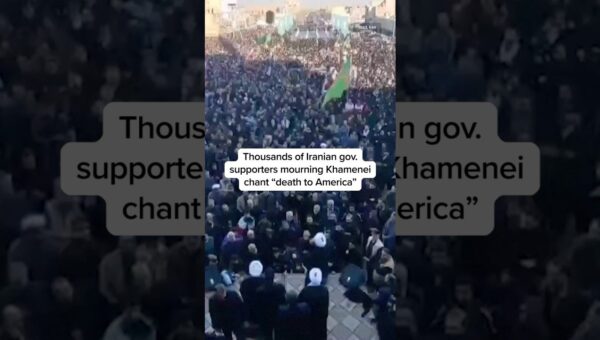
Thousands Mourn Khamenei, Chant ‘Death to America’ in Iran
Thousands gathered in Yazd, Iran, to mourn Supreme Leader Ayatollah Ali Khamenei following reported U.S. and Israeli strikes. The mourning ceremony was marked by chants of "Death to America," highlighting deep-seated anti-American sentiment amid geopolitical tensions.

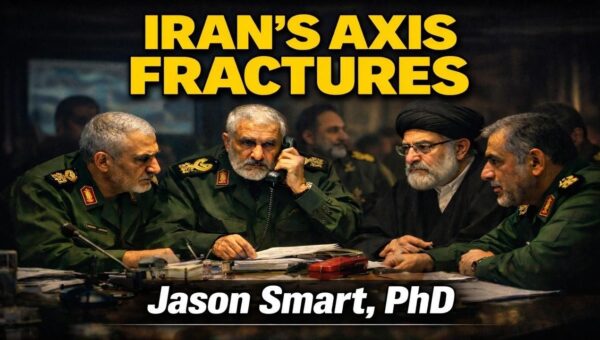
Iran’s Regime Under Siege: Attacks Cripple Leadership, Impact Russia
Iran's regime is reportedly facing critical blows from targeted attacks, crippling its leadership and severing a vital military supply line to Russia. This dual pressure is significantly impacting Russia's war efforts in Ukraine, while internal dissent grows within Iran.
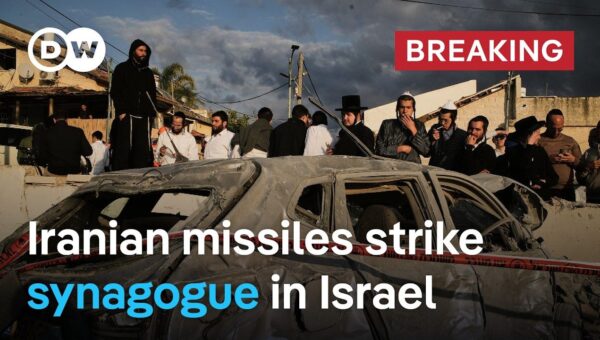
Iran Missile Strike Kills 9 in Israel, Netanyahu Vows Escalation
Nine people were killed and 28 wounded in a devastating Iranian missile strike on a synagogue in Beit Shemesh, Israel. Prime Minister Benjamin Netanyahu has vowed to intensify strikes on Tehran, as analysts discuss the escalating conflict and Iran's capacity for sustained resistance.