Epstein Files Fallout: Trump’s Political Tightrope Amidst Economic Woes and Shifting Political Landscapes
The ongoing release of Jeffrey Epstein's documents continues to spark debate, but economic concerns may overshadow the scandal's impact on Donald Trump. Media analyst Alex Michaelsson discusses the divided response within the right and the broader implications for political accountability.

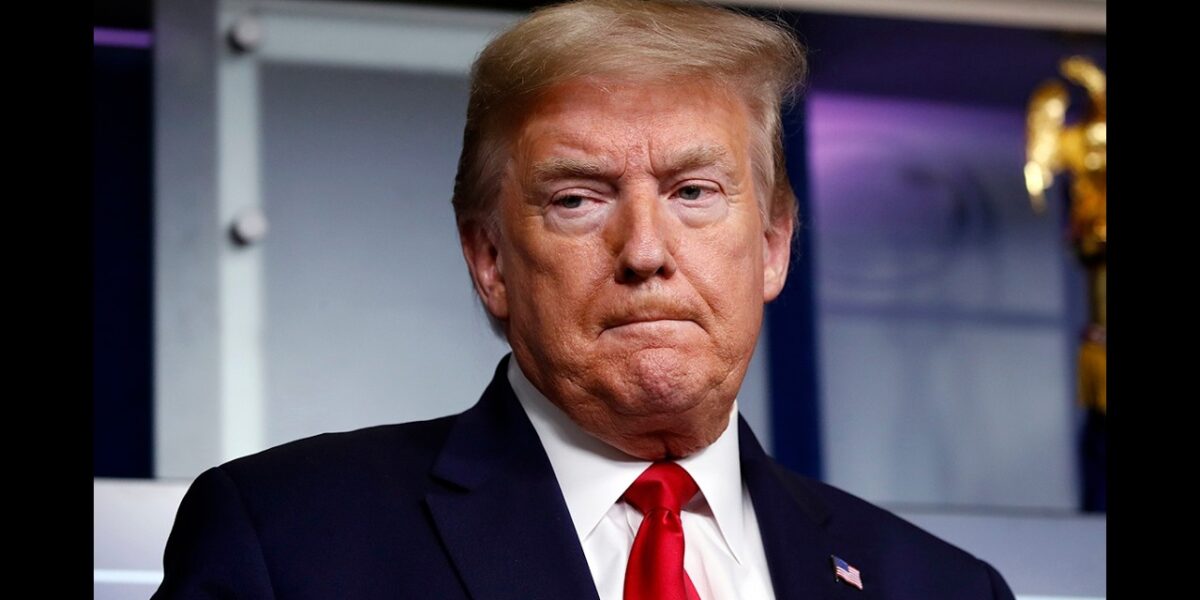
Epstein Files Continue to Cast Shadow, But Economic Concerns Loom Larger for Trump
The ongoing release of documents related to Jeffrey Epstein’s sex trafficking ring has ignited widespread discussion and scrutiny, particularly concerning individuals named within the files. While the Epstein case continues to dominate headlines and fuel political debate, its direct impact on former President Donald Trump remains a subject of intense speculation. According to insights from media figures like Alex Michaelsson, host of CNN’s ‘The Story Is,’ the political fallout from these files is not uniform, with some on the right expressing concern while others prioritize defending Trump.
Navigating the Epstein Files: A Divided Response on the Right
Michaelsson observes a clear division within right-leaning circles regarding the Epstein files. “There are some folks on the right who are really concerned about the Epstein files and have called out President Trump for it,” he stated. However, he also noted, “other folks who I think find it in their professional best interest to defend President Trump no matter what. They’ll pretty much say whatever he wants them to say.” This dichotomy suggests that loyalty and political expediency play significant roles in shaping the discourse surrounding the sensitive revelations.
Crucially, Michaelsson emphasized that as of now, “there is no smoking gun that implicates the president in any sort of criminal conspiracy.” While acknowledging concerns raised by those on the left, he maintains that the most significant potential threat to Trump’s political standing remains economic. “The issue that is the biggest potential problem for President Trump is the economy. And the cost of living. That is what most people deal with on a day in dayout basis. And that is an issue that nobody, Republican or Democrat, can lie to people about. Because when they go to the store and they see the prices, the price is what the price is, not what some politician tells you the price is.” This assertion highlights the enduring power of tangible economic realities over complex, and as yet unproven, allegations.
The Specter of Hiding: Trump’s Calculated Engagement with Media
The question of why Trump continues to subject himself to intense media scrutiny, especially concerning the Epstein files, was also explored. Michaelsson posited, “He knows the media better than any other president ever has. He knows the media better than most people could imagine. And so he understands that if he is subjecting himself voluntarily to this media narrative, it has to be for a reason.” This suggests a strategic calculation, implying that Trump may believe he can weather the storm or that the potential damage from the files is significant enough to warrant a proactive, albeit risky, engagement with the narrative.
However, the journalistic standard of relying on verifiable facts remains paramount. “Based off of the way we do things, we have to do it based off of facts and things that you can prove,” Michaelsson reiterated. He drew a parallel to the Russia investigation, where years of speculation ultimately yielded limited provable charges against Trump. This historical context underscores the importance of distinguishing between allegations and established facts, a nuance that can be easily lost in the fervor of public debate.
Epstein Files: Nuance and the ‘Scarlet Letter’ Effect
The Epstein files have brought to light numerous names, leading to varying degrees of public and political reaction. Michaelsson highlighted the case of Casey Wasserman, head of LA28, the organizing committee for the 2028 Los Angeles Olympics. Wasserman’s name appeared in emails exchanged with Ghislaine Maxwell, Epstein’s associate. While Wasserman’s emails were described as “flirty,” there was no evidence presented of him interacting with Epstein directly or engaging in any illicit activities.
Despite the lack of direct evidence of wrongdoing, Wasserman’s association with Epstein led to calls for his resignation, forcing him to sell his talent agency. Similarly, Steve Hilton, a candidate for California governor, was mentioned in an email regarding a potential meeting with Woody Allen. These instances illustrate how mere association, even without concrete proof of criminal conduct, can lead to significant professional and political repercussions. Michaelsson described this as the “Epstein files have become like a scarlet letter,” prompting politicians to react swiftly, often without delving into the specifics of each case.
The disparity in reactions was further underscored by contrasting cases. While some individuals faced intense scrutiny for relatively minor associations, others with more serious accusations, like Prince Andrew or even Deepak Chopra (mentioned in emails seeking “Israeli young women”), have faced different levels of consequence. This points to the complex and often inconsistent application of accountability when it comes to the Epstein revelations.
Global Reactions vs. American Inertia
A striking observation made during the discussion was the divergent global response to individuals implicated in the Epstein scandal compared to the approach within the current U.S. administration. “We’re seeing foreign governments basically like people who are engaged in in the UK government or in Northern Europe. I mean, this is having such a massive effect on people who were in any way implicated with Epstein and they’re all, you know, anybody who was involved is getting ousted from their positions and we’re seeing that all over the world. And yet for this administration, it doesn’t seem to be having any impact whatsoever,” Michaelsson noted.
He further elaborated on the perceived lack of accountability, citing the case of former President Trump, who was not charged in relation to the events that led to his impeachment and subsequent investigations. This stark contrast with international responses, where figures like Prince Andrew face potential legal reckoning, raises questions about the threshold for accountability for high-profile officials in the United States. The discussion also touched upon the investigation into Special Counsel Jack Smith, who is probing Trump, juxtaposing it with the lack of charges against Trump himself.
The Intertwined Nature of Accountability and Political Power
The conversation drew a parallel between the inability to hold individuals accountable in the Epstein case and the perceived failure to hold powerful politicians accountable for their actions. “This is the same story of, you know, our inability to hold this criminal cabal of pedophiles to account is not dissimilar to our inability to hold the ruling class politicians to account when they’ve done something wrong,” it was argued.
The argument was made that Trump, with his ability to influence the release of Epstein files and his administration’s control over potential prosecutions, is positioned at the nexus of these accountability issues. The dismissal of co-conspirators by figures like Pam Bondi was contrasted with evidence suggesting their existence, as uncovered by individuals like Ro Khanna and Thomas Massie. This situation, coupled with Trump’s own evasion of prosecution in multiple indicted cases, led to the conclusion that Trump “does not value this idea of holding a certain tranche of people, a certain elitist tranche of people to account.”
Political Danger for Trump: The ‘Elite’ Double Standard
For Donald Trump, the handling of the Epstein files presents a unique political danger, particularly with his MAGA base. The core of this danger lies in the perception of a “different set of justice for people in power.” As Michaelsson explained, “The way that they’re seeing this play out kind of makes that point.” This sentiment has been articulated even by figures who have publicly broken with Trump, such as Marjorie Taylor Greene.
This perceived double standard is further linked to the issue of affordability. The argument that Trump would fight for his base and deliver on promises is undermined if the “rich folks who clearly did something wrong get[ting] pardoned because they know the president or they’re rich” are seen to be escaping consequences. This creates a disconnect between the populist rhetoric and the perceived reality of unequal justice, a narrative that can significantly damage Trump’s standing with his core supporters. The example of pardoning a former leader with drug convictions while campaigning on fighting narcotics further illustrates this potential disconnect.
California Gubernatorial Race: A Complex Primary Landscape
The discussion then shifted to the upcoming California gubernatorial race, a contest Michaelsson has been closely following. The state’s jungle primary system presents a unique challenge, with the potential for two Republicans to advance to the general election, leaving no Democratic candidate on the ballot.
The recent Democratic convention in San Francisco revealed a lack of coalescing behind any single candidate. Eric Swalwell came closest to securing the party’s endorsement with 23% of the vote, highlighting the fragmentation within the party. While Swalwell shows some traction, particularly with anti-Trump voters, billionaire climate change activist Tom Steyer is heavily investing in his campaign, spending $27 million of his own money and running prominent TV ads. Steyer is attempting a populist appeal, positioning himself as a champion of the working class while also engaging with labor unions.
Congresswoman Katie Porter, a familiar face to many, has seen her poll numbers dip following the release of videos depicting her interactions with a staffer. Despite the “Trump era” political environment where scandals often seem to fade quickly, Porter’s situation has seemingly resonated, possibly because it visually reinforces pre-existing perceptions of her. Michaelsson noted that Porter has historically had a strained relationship with the Democratic establishment, including significant clashes with Nancy Pelosi and a lack of endorsements from her congressional colleagues when she ran for Senate.
While the likelihood of two Republicans advancing is estimated at around 12%, Michaelsson stressed that this is not an insignificant probability and could have far-reaching consequences for down-ballot races.
Gavin Newsom’s Presidential Ambitions and Media Dominance
The conversation also delved into the political trajectory of California Governor Gavin Newsom, whose presidential aspirations are widely discussed. His strategy of mirroring Trump’s communication style on Twitter and his successful opposition to Trump’s initiatives have garnered attention. However, some progressives are wary of him securing the nomination, preferring a more progressive candidate.
Newsom recently stated that his son’s desire for him to spend more time with family is a factor weighing on his potential presidential run, offering a possible public exit strategy. Michaelsson suggested that it’s too early to determine if Newsom has “peaked too early,” given the uncertainty surrounding the field of candidates and the timeline for the primary process.
Newsom’s upcoming book tour, strategically planned to include stops in key primary states, is expected to provide him with significant national exposure. His media appearances across various platforms are projected to reach an enormous audience, solidifying his name ID and potentially positioning him as a frontrunner. This level of visibility, Michaelsson noted, is unparalleled for most governors considering a presidential run.
Kamala Harris: The Path to Redemption or Retirement?
The discussion turned to Vice President Kamala Harris, who, like Newsom, is often polled as a potential contender. Her past presidential run, which ended in withdrawal, and her current position as Vice President create a complex dynamic.
Michaelsson suggested that Harris’s book title, “107 Days,” might serve as an implicit justification for her previous unsuccessful presidential bid, hinting at an incomplete campaign narrative. Traditionally, the Democratic Party has been hesitant to renominate candidates who have previously lost a presidential bid, with Adlai Stevenson being a notable exception from a much earlier era.
However, Harris possesses 100% name recognition, a significant asset. The ultimate decision on the primary state order could also play a crucial role. If South Carolina, with its significant Black female voting bloc, goes first, it could provide a substantial boost to Harris’s campaign. Conversely, if other states lead the primary calendar, the landscape could shift.
While Harris chose not to run for Governor of California, her ambition for the presidency remains evident. Michaelsson concluded that if Harris perceives a viable path to the nomination, she is likely to run. However, if she foresees significant embarrassment or a lack of opportunity, she might opt out. The timing of both Newsom’s and Harris’s book tours and speaking engagements, occurring concurrently, suggests a strategic jockeying for position within the Democratic party as potential future presidential candidates.
Conclusion: A Shifting Political Terrain
The conversation underscores the intricate and often unpredictable nature of contemporary American politics. The Epstein files, while significant, are juxtaposed against more immediate concerns like the economy, which may hold greater sway with the electorate. The California gubernatorial race highlights the complexities of primary systems and the challenges of party unity. Meanwhile, the presidential ambitions of figures like Gavin Newsom and Kamala Harris are unfolding against a backdrop of shifting political strategies and a media environment that amplifies their every move.
As the midterms approach and the nation looks towards future elections, the interplay of scandals, economic realities, and strategic political maneuvering will continue to shape the political landscape. The ability of candidates to navigate these multifaceted challenges will ultimately determine their success in an increasingly complex and polarized environment.
Source: Trump PANICS as Epstein UPDATE consumes him (YouTube)

Related Articles


Trump’s Shifting Iran Stance: From Dealmaker to War Talk
President Trump's rhetoric on Iran has undergone a significant shift, contrasting his past calls for diplomacy with recent threats of military action. This shift follows a period of escalating tensions, withdrawal from the Iran nuclear deal, and renewed indirect negotiations.

Trump Hails Iran Strikes as ‘Great Thing for Our Country’
President Donald Trump described the recent strikes in Iran that killed the country's supreme leader as "a great thing for our country." In a call with MS NOW, Trump also called celebrations in both Iran and the U.S. "fantastic."

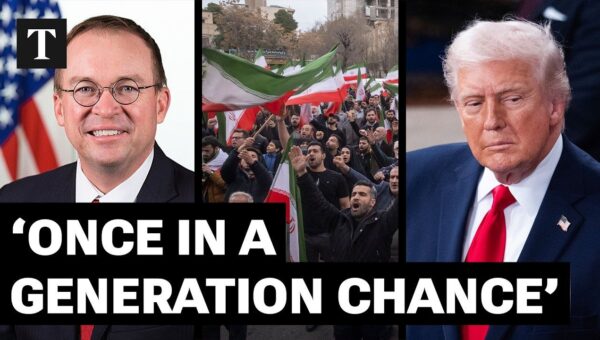
Trump Saw Iran Strike as ‘Too Good to Pass Up,’ Says Ex-Chief of Staff
Former White House Chief of Staff Mick Mulvaney revealed that the Trump administration viewed the strike on Iran not as a planned initiative, but as a unique opportunity that was "too good to pass up." He discussed the confluence of factors leading to the decision and drew parallels to past interventions, suggesting a preference for targeted actions over prolonged conflicts. The potential economic impact, particularly on oil prices, was also a key consideration.