Epstein Files Erupt: Cover-Up Allegations Shake DOJ, Trump Implicated
Missing Epstein files implicating Donald Trump have reappeared online, sparking accusations of a DOJ cover-up. Congressman Roana argues public pressure forced the release and calls for a special master to ensure transparency. The development highlights the ongoing fight for accountability in high-profile cases.

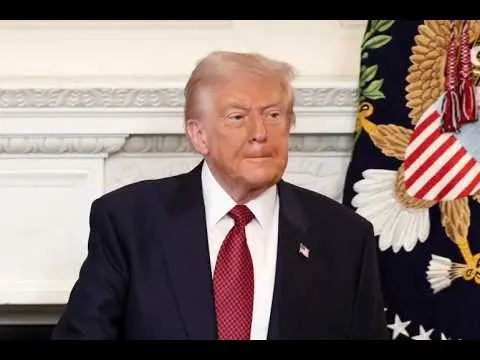
Epstein Files Erupt: Cover-Up Allegations Shake DOJ, Trump Implicated
A recent development in the long-standing Jeffrey Epstein case has brought renewed scrutiny to the Department of Justice (DOJ) and cast a shadow over prominent figures, including former President Donald Trump. Documents previously reported as missing from the Epstein files, which reportedly implicate Trump, have been unexpectedly re-released online. This sudden reappearance has ignited accusations of a deliberate cover-up and sparked calls for greater accountability.
DOJ Admits Mistake Amidst Public Pressure
The DOJ has stated that the documents in question were initially withheld due to an error, claiming they were mistakenly categorized as duplicative. However, under intense public scrutiny and pressure from investigative reporting, the department has now admitted these documents were not duplicative and required public release. This includes previously undisclosed prosecution memos and FBI interviews detailing serious allegations made by a woman who claims she was raped as a minor by Donald Trump.
Congressman Roana, speaking on the matter, emphasized the role of public outcry in forcing the DOJ’s hand. “This shows that public pressure works, that public calling them out forces them to get past their cover up,” he stated. He highlighted that the re-release is a direct result of persistent efforts by journalists and lawmakers who have continued to demand transparency.
The Cover-Up as the Real Story
The focus, according to Congressman Roana, is less on the veracity of the allegations themselves and more on the alleged actions of the DOJ. “It’s not even necessarily about the accusations, as it usually isn’t. It’s usually the cover up that gets these people,” he explained. The selective suppression of documents that directly implicate a figure like Donald Trump, only to have them surface under duress, fuels these suspicions of a coordinated effort to shield individuals from accountability.
Calls for a Special Master and Broader Accountability
In light of the DOJ’s admitted errors and the ongoing concerns about the handling of the Epstein files, there are growing calls for the appointment of a special master. This independent official would be tasked with meticulously reviewing the vast trove of documents to ensure all relevant information is brought to light and that no further information is improperly withheld. Congressman Roana advocates for this measure, stating, “They made enough mistakes that Judge Angleberger or Jed Burman should say we need a special master to go through his documents and release them.”
The strategy to achieve accountability, as outlined by Roana, involves sustained vigilance, building broad coalitions, and leveraging public pressure. He draws parallels to past successes, such as forcing former Inspector General Pam Bondi to testify before an oversight committee, which he argues was instrumental in her eventual departure from her role. The tactic is to create situations where officials, including those aligned with Donald Trump, face questioning not just from political opponents but also from within their own party, thus eroding their support and forcing concessions.
Coalition Building and the Shifting Political Landscape
The congressman stressed the importance of building diverse coalitions, including working with Republicans who may be willing to break ranks with the Trump-aligned faction. This approach, he believes, has been key to achieving incremental victories against what he terms “Trump’s lawlessness.” The recent defection of five Republicans on a vote, which he views as directly linked to the subsequent release of documents, is cited as evidence that this strategy is effective.
This strategy is also being applied to other critical issues, such as the ongoing conflict in Iran. Despite the failure of a recent War Powers Resolution, proponents are not deterred. They highlight the strong bipartisan vote as a foundation for future efforts and emphasize the need to cut off funding for what they deem an “illegal war.” The immense financial cost of these military actions is contrasted with the potential for domestic investment in areas like education and healthcare, a point that resonates with the “America First” base, even if the political establishment appears disconnected from it.
Democrats’ Path to Reclaiming the Narrative
Congressman Roana posits that Democrats have a clear opportunity to regain political ground by embracing moral clarity. He advocates for a platform that champions accountability for “corrupt elites,” opposes foreign wars, and prioritizes domestic investment in jobs, healthcare, and childcare. This, he argues, is the most effective way to win back voters who may have been disillusioned by the perceived betrayals of the Trump administration, particularly concerning issues like foreign entanglements and unfulfilled promises to the working class.
Navigating International Tech Competition
In a separate discussion point, the congressman addressed the complex issue of exporting advanced technology to China. He expressed support for selling certain Nvidia chips, specifically the H200, while opposing the export of more cutting-edge technology that offers a significant lead. His rationale is to maintain U.S. market share and security by ensuring China remains dependent on American technology, even if it means exporting slightly older generations of chips. The concern is that a complete embargo could push China to develop indigenous alternatives, potentially diminishing U.S. influence and competitive advantage in the long run.
Why This Matters
The re-emergence of the missing Epstein files, coupled with allegations of a DOJ cover-up, highlights a critical tension between the pursuit of justice and the potential for political interference. It underscores the vital role of investigative journalism and public pressure in holding powerful institutions accountable. The focus on the alleged cover-up rather than the accusations themselves points to a broader concern about transparency and the integrity of the justice system when powerful individuals are involved. Furthermore, the discussion around coalition building and the potential for shifting political alliances suggests a dynamic landscape where bipartisan cooperation, even on contentious issues, may be achievable through persistent advocacy and strategic engagement.
Implications, Trends, and Future Outlook
This development signals a potential turning point in the public’s perception of the DOJ’s handling of sensitive cases. The trend of public pressure yielding results suggests that transparency will remain a key battleground. The implications for Donald Trump and other figures potentially implicated are significant, as renewed scrutiny could lead to further investigations or legal challenges. The congressman’s emphasis on coalition building and leveraging Republican dissent points to a growing trend of seeking cross-party cooperation on issues where traditional partisan divides may be less rigid. Looking ahead, the fight for accountability in high-profile cases will likely continue, with media, public advocacy groups, and a segment of lawmakers acting as watchdogs against potential institutional obfuscation.
Historical Context and Background
The Epstein case itself is a complex web of allegations involving powerful individuals, child trafficking, and sex abuse. The initial investigations and subsequent legal proceedings have been marked by controversy, including the controversial plea deal granted to Epstein in 2008. The ongoing release of documents, often through legal mandates and public pressure, is part of a broader historical pattern where information about powerful networks and their alleged wrongdoings is gradually uncovered, often against institutional resistance. The current situation echoes past instances where government agencies have been accused of suppressing information or obstructing justice, particularly when high-profile figures are involved.
Source: Trump hit with BRUTAL UPDATE as MISSING Epstein files revealed (YouTube)

Related Articles

Trump’s Economy Crumbles Under War and Tariffs
New job numbers reveal a devastating loss of 100,000 jobs in February, a sharp contrast to economist expectations and a blow to the administration's economic narrative. Escalating geopolitical tensions and tariffs are cited as major contributors to this downturn, impacting key sectors and financial markets.

US Strikes Iran School: ‘Moral Abomination,’ Calls Analyst
A devastating airstrike on an Iranian girls' elementary school, reportedly by U.S. forces, has killed at least 165 people, mostly children. Analysts are condemning the incident as a "moral abomination and tactically stupid," citing an aggressive military ethos and potentially flawed targeting processes. The war's growing civilian toll is fueling domestic opposition and raising serious questions about U.S. strategy and objectives.
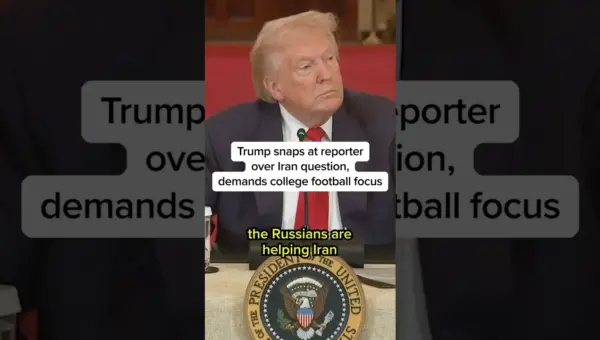
Trump Pivots to Football, Dismisses Reporter’s Iran Query
President Donald Trump publicly admonished a reporter at a White House event, dismissing a question about Russia reportedly aiding Iran in targeting the U.S. as "stupid." Trump demanded the focus remain on celebrating college football champions instead. The exchange highlights the President's communication style and his deflection of sensitive foreign policy inquiries.