Epstein Files Controversy Escalates: Clinton Accuses Trump Administration of Cover-Up Amid Calls for Full Transparency
Hillary Clinton has accused the Trump administration of orchestrating a cover-up regarding the Jeffrey Epstein files, alleging deliberate delays and selective redactions to shield the former president and others. Donald Trump, conversely, claims full exoneration and dismisses Clinton's accusations as politically motivated, while the controversy intensifies with congressional demands for full transparency and high-profile testimonies from figures like the Clintons themselves.

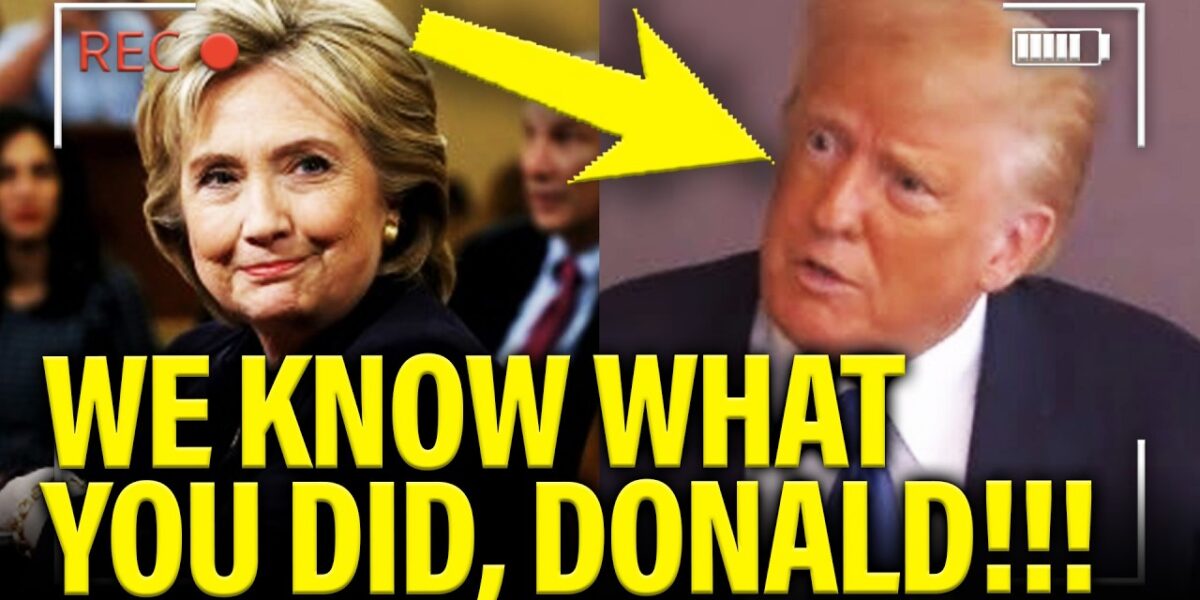
Epstein Files Controversy Escalates: Clinton Accuses Trump Administration of Cover-Up Amid Calls for Full Transparency
The long-simmering controversy surrounding the Jeffrey Epstein files has reached a new fever pitch, with former Secretary of State Hillary Clinton leveling serious accusations against the Trump administration. Speaking from Berlin during an international policy forum, Clinton alleged that the Justice Department under Trump deliberately orchestrated a cover-up, slowing the release of crucial documents and selectively redacting information to shield the former president and others from scrutiny. This sharp escalation comes as Donald Trump himself claims full exoneration from the files, insisting he has nothing to hide.
The latest salvo in this highly politicized saga follows the Department of Justice’s release of millions of pages of material linked to investigations into Jeffrey Epstein, the disgraced financier who died in federal custody in 2019, and his longtime associate Ghislaine Maxwell, currently serving a 20-year prison sentence for her role in facilitating Epstein’s abuse of underage girls. While this disclosure represents one of the largest releases of investigative records in recent U.S. history, it has failed to quell widespread skepticism, with critics across the political spectrum questioning whether key materials, potentially millions more documents, remain withheld.
Trump Claims Exoneration, Denounces Clinton’s Motives
Responding to the ongoing scrutiny and Clinton’s emerging allegations, Donald Trump has vehemently asserted his innocence. “I have nothing to hide. I’ve been exonerated. I have nothing to do with Jeffrey Epstein,” Trump declared. He characterized the investigation into the files as an attempt by his political adversaries to find wrongdoing, only to discover the opposite. “They went in hoping that they’d find it and found just the opposite. I’ve been totally exonerated,” he reiterated, also claiming that Jeffrey Epstein was actively working against his election with a “sleazebag” author.
Trump dismissed Clinton’s accusations as politically motivated, suggesting she suffers from “Trump derangement syndrome” and is attempting to deflect attention from her own vulnerabilities. He maintained that his administration’s document releases demonstrate a commitment to openness, rather than concealment, and emphasized that he severed ties with Epstein decades ago. The White House, under Trump, had previously amplified this message, asserting cooperation with congressional subpoenas and claiming to have released more material than any previous administration in similar circumstances, though critics note the Justice Department’s hands were tied while the investigation of Ghislaine Maxwell was underway.
Clinton Alleges Obstruction and Selective Transparency
Hillary Clinton painted a starkly different picture, accusing the Trump administration of intentional obstruction. “There’s something about this administration’s attitude toward this which I think really leads us to conclude they have something to hide,” Clinton stated, contrasting it with her own willingness to be transparent. She highlighted the perceived deliberate slowness and selectivity in the release of documents, arguing that the Justice Department’s justifications for redacting millions of pages – citing sensitive medical data, graphic material involving minors, or information that could jeopardize ongoing investigations – do not fully explain the extensive gaps.
“Get the files out,” Clinton urged, demanding full transparency. She described what she views as a pattern of obfuscation, leading to legitimate public suspicion. At the core of her contention are claims, circulated online and echoed by some lawmakers who have reviewed unredacted materials, that Trump’s name appears repeatedly in the documents, potentially thousands of times. Clinton argued that only a complete, unfiltered release will clarify the truth and dispel misinformation, emphasizing that being mentioned in investigative files does not equate to wrongdoing, but transparency is paramount.
“If I have to do it behind closed doors, they’re not going to like what I have to say because I have very strong opinions about what it is they’re hiding and who they are protecting,” Clinton warned, signaling her intent to speak out forcefully if forced into private testimony.
The Broader Context: The Jeffrey Epstein Scandal and Its Aftermath
To understand the intensity of the current dispute, it is crucial to recall the gravity of the Jeffrey Epstein scandal. Epstein, a wealthy financier, was arrested in July 2019 on federal charges of sex trafficking minors in Florida and New York. His death by suicide in a federal jail cell a month later, while awaiting trial, ignited a firestorm of skepticism and conspiracy theories that persist to this day. The circumstances of his death, combined with his extensive network of powerful and influential acquaintances across politics, business, and entertainment, fueled public demand for accountability and full disclosure.
The release of documents related to Epstein and his co-conspirators, particularly Ghislaine Maxwell, has been a slow and arduous process, often driven by court orders and public pressure. These documents include deposition testimonies, flight logs from Epstein’s private jets, and other records detailing his illicit activities and the individuals who frequented his properties. The sheer volume and sensitive nature of the information make the process of redaction and release complex, balancing public right-to-know with privacy concerns and the integrity of ongoing investigations.
Congressional Scrutiny and Calls for Deeper Transparency
The controversy has intensified within Congress, where the House Oversight Committee has been actively investigating the handling of the Epstein case. Lawmakers from both parties have pressed the Justice Department for additional disclosures, including internal memos explaining past prosecutorial decisions, particularly why certain investigative paths were not pursued in earlier stages of the Epstein inquiry.
Republican Representative Thomas Massie of Kentucky, a co-author of the Transparency Law, has publicly called for the release of internal communications detailing these decisions. Other lawmakers argue that without such documentation, the public cannot fully evaluate whether justice was administered fairly. This push highlights a fundamental tension between the executive branch’s prerogative to manage investigations and the legislative branch’s oversight responsibilities, particularly when public trust is at stake.
The Clintons Drawn into the Inquiry
Adding another layer of political intrigue, the Clintons themselves have been drawn into the inquiry. While neither Hillary nor former President Bill Clinton has been accused of wrongdoing by Epstein survivors, their names do appear in portions of the records, reflecting social and professional overlaps within elite political and philanthropic circles. The oversight committee initially moved to hold the Clintons in contempt of Congress after they declined to testify, a move that was later shelved when the couple agreed to appear.
Hillary Clinton is scheduled to testify one day before her husband, in what promises to be one of the most high-profile congressional hearings in recent memory. Clinton has insisted that these hearings should be public rather than conducted behind closed doors. “Sunlight is the best disinfectant,” she declared, emphasizing that she and her husband are prepared to answer questions openly. She has framed her position as one of equal treatment under the law, suggesting that selective enforcement or scrutiny risks undermining public trust.
International Dimensions and Broader Implications
The political fallout extends beyond American borders. Andrew Mountbatten-Windsor, formerly Prince Andrew, has faced mounting calls from some U.S. lawmakers and from supporters of Epstein survivor Virginia Giuffre to testify before Congress about his relationship with Epstein. Andrew has consistently denied any wrongdoing and reached an out-of-court settlement with Giuffre in 2022 without admitting liability. Giuffre died by suicide last year.
For Hillary Clinton, the core issue is not partisan advantage but fundamental transparency. She argues that the administration’s reluctance to release certain categories of documents, particularly internal memos about prosecutorial decisions, creates an appearance of impropriety. In her telling, the focus on summoning the Clintons to testify is an attempt to divert attention from Trump’s own proximity to Epstein and the alleged cover-up.
Institutional Trust in a Polarized Era
The broader American public, meanwhile, remains divided and fatigued by the seemingly endless revelations and political sparring. Epstein’s 2019 death, officially ruled a suicide, sparked widespread skepticism and fueled conspiracy theories that persist today. The scale of the newly released files has only intensified debate about accountability among powerful figures who crossed paths with him, and whether indeed he did die by suicide. This enduring skepticism underscores a deep-seated erosion of institutional trust.
In the end, the dispute over the Epstein files is about more than just names appearing in documents. It is about the integrity of the justice system, the handling of sensitive investigations, and whether transparency can prevail in an era defined by deep political polarization and distrust. With high-profile testimony imminent and political stakes soaring, the coming weeks may prove decisive in determining whether this controversy subsides or deepens further, leaving an indelible mark on American politics and public confidence in its institutions.
Source: Clinton FLIPS THE SCRIPT on Trump with EPSTEIN REALITY CHECK (YouTube)

Related Articles

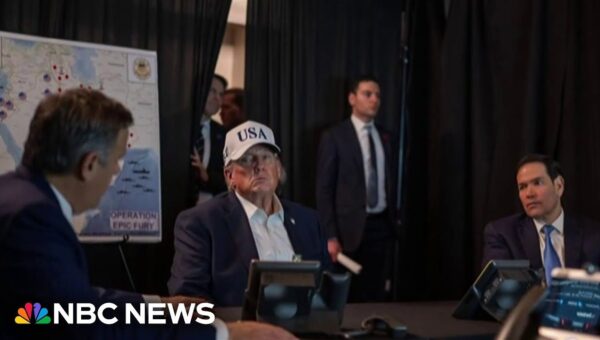
Trump: Iran Strikes Ahead of Schedule, Expects ‘Great Deal for World’
Three U.S. service members have been killed amid escalating conflict with Iran, President Trump confirmed. He stated that strikes are ahead of schedule, with senior Iranian leaders killed, and expressed optimism for a "great deal for the world" despite ongoing talks with Iranian officials.
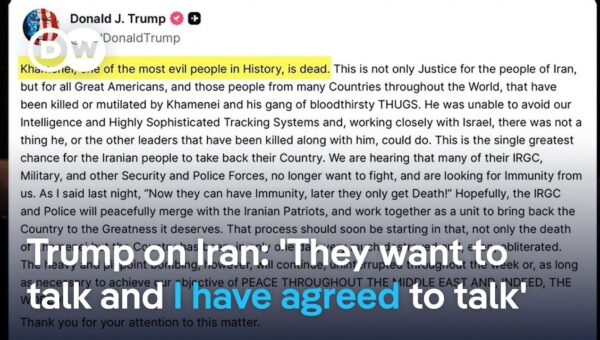
Trump Agrees to Talks with Iran After Major Strikes
President Donald Trump has agreed to talks with Iran's leadership following coordinated strikes that reportedly killed key figures, including the Supreme Leader. While Trump claims significant military successes, U.S. strategy remains unclear, and public opinion shows limited support for the actions amid rising American casualties.

Trump’s Putin Stance: US Strategy and Global Implications
Analysis suggests Donald Trump's approach to the Ukraine war involves pressuring Kyiv, but US involvement is crucial for resolution. China's influence and the 'MAGA' agenda's geopolitical implications are key factors.